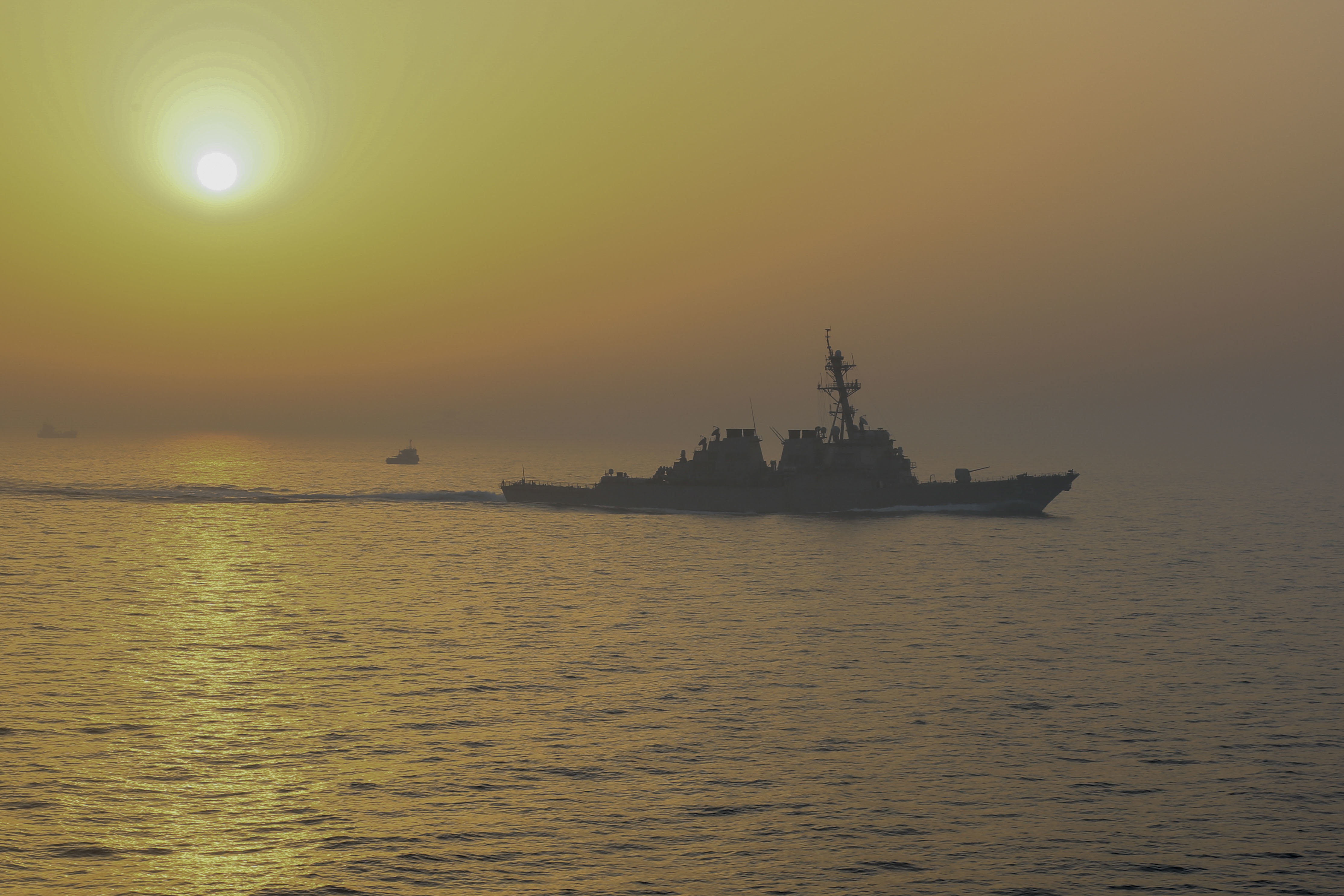
The United States launched missile strikes against Iranian targets on July 11, 2026 [2], after Iran fired on a ship in the Strait of Hormuz [1].
This escalation in one of the world's most critical shipping lanes threatens global energy stability and increases the risk of a wider regional conflict.
According to reports, the U.S. military conducted a five-hour mission [3] to strike targets within Iran. The operation followed an incident where Iranian forces opened fire on a vessel navigating the Strait of Hormuz [1].
Iran said the attack was a response to perceived aggression against its interests [2]. The United States said it launched the strikes to hold Iranian forces accountable for the naval engagement [2].
The conflict has expanded beyond the immediate site of the naval clash. Reports indicate that Tehran has launched attacks on Oman as the conflict over the Strait of Hormuz spreads [4].
While some secondary reports suggested a confrontation between Iran and Ukraine, primary records from the New York Times and CBS News confirm the primary engagement was between Iran and the United States [1, 3].
The U.S. response reflects a strategy of direct military retaliation to deter further interference with maritime traffic in the region. The Strait of Hormuz remains a high-tension zone as both nations maintain military readiness.
“The United States conducted a five-hour mission against Iranian targets.”
The direct exchange of missiles between the U.S. and Iran marks a significant escalation in hostilities. By targeting Iranian infrastructure in response to a naval incident, the U.S. is signaling a low tolerance for disruptions in the Strait of Hormuz, a chokepoint for global oil supplies. The involvement of Oman suggests the conflict may not remain contained within Iranian borders, potentially forcing neighboring Gulf states to align their security postures.


