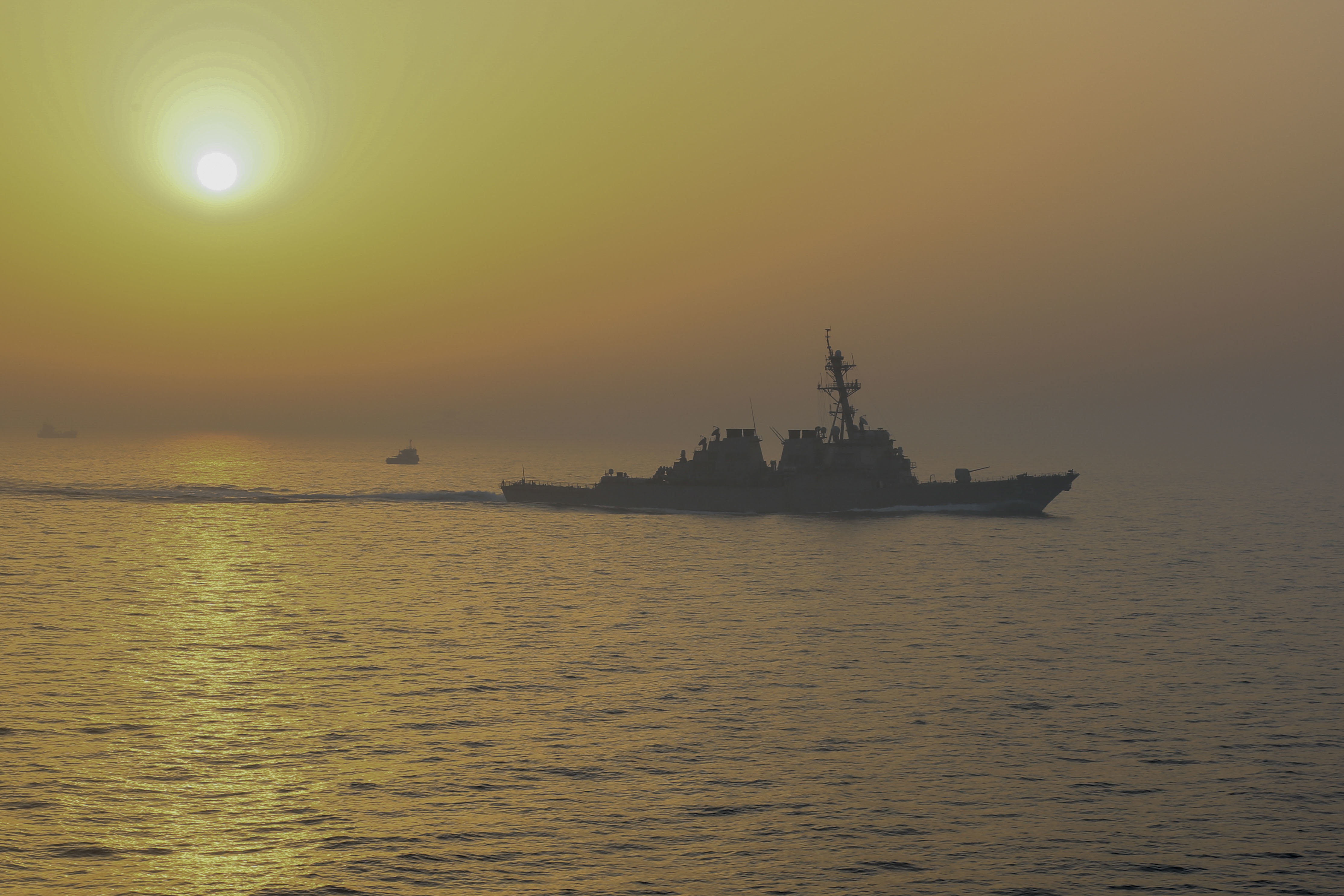
The United States military carried out a series of attacks on Iranian targets between July 15 and July 18, 2026 [1].
These operations signal a sharp breakdown in diplomatic efforts to stabilize the region just weeks after both nations attempted to end hostilities. The escalation threatens the security of global energy shipping lanes and undermines the credibility of recent cease-fire agreements.
Reports indicate the U.S. military conducted attacks for seven consecutive days [1]. Other reports previously placed the duration at four [4] or six days [2]. The offensive included a drone strike on a U.S. ammunition depot located in Kuwait and a missile strike on a tanker [1, 3]. Additionally, two tankers exploded and caught fire in the Hormuz Strait [1].
U.S. officials said the strikes were intended to enforce a maritime blockade and further weaken the military capabilities of Iran [2, 5]. This activity occurs despite a cease-fire memorandum signed during a ceremony on June 19, 2026 [5]. That memorandum contained 14 specific items [6], and aimed to reopen the Hormuz Strait to commercial traffic.
Under the terms of the agreement, the U.S. was slated to withdraw its forces within 30 days following the establishment of a nuclear agreement [6]. However, the current maritime blockade and subsequent strikes suggest those terms have not been met or have been superseded by new hostilities.
President Donald Trump said that Iran should behave correctly [7]. He previously said that the Hormuz Strait would be completely opened [8]. The current military actions, however, have focused on maintaining the blockade in the Red Sea and the Hormuz Strait [1, 3].
“The U.S. military conducted attacks for seven consecutive days.”
The transition from a 14-point cease-fire memorandum to active military strikes within one month indicates a failure of the diplomatic framework to provide lasting stability. By targeting infrastructure in Kuwait and shipping in the Hormuz Strait, the U.S. is prioritizing the degradation of Iranian military capacity and the enforcement of a blockade over the immediate reopening of trade routes.

