
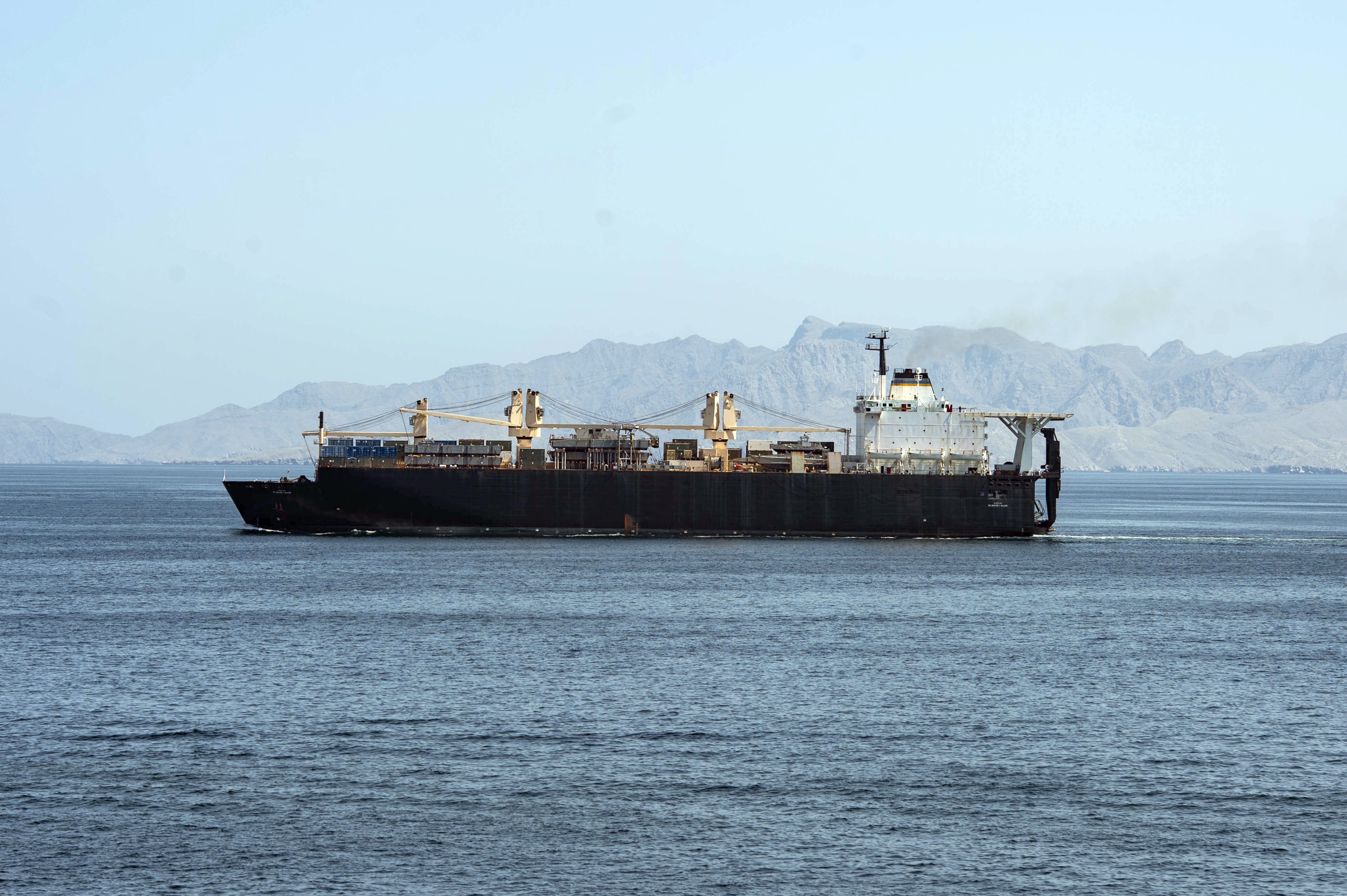
The United States has launched military strikes against Iranian targets in West Asia following the breakdown of recent diplomatic efforts [1, 2].
These renewed hostilities signal a volatile phase in the conflict, threatening the stability of the Strait of Hormuz and potentially prolonging a war that has already cost the U.S. billions of dollars [1, 3].
Reports indicate the strikes occurred over the Strait of Hormuz and surrounding areas [1, 4]. The escalation follows a period of tension where U.S. officials weighed restarting combat operations as a ceasefire faltered [3].
Diplomatic efforts have struggled to address fundamental disagreements regarding nuclear-program language, and the lifting of sanctions [1, 4]. A U.S. State Department spokesperson said, "We are working to resolve language disputes on nuclear issues and sanctions" [1].
Despite these ongoing talks, the transition back to active combat follows a period of relative instability. The conflict had previously lasted 67 days, or nine and a half weeks, before attempts at a peace deal were initiated [5].
President Donald Trump expressed urgency regarding the diplomatic timeline earlier this week. "I am expecting Iran's response tonight," Trump said on May 24 [4].
The financial toll of the engagement has been significant. A defense analyst said that the cost of the war is nearing $29 billion [3].
While some reports previously suggested the two nations were nearing a deal to end the hostilities, the current military action contradicts those optimistic projections [5, 3]. The U.S. continues to maintain a military presence in the region to secure critical shipping lanes while negotiations remain stalled [1, 4].
“The cost of the war is nearing $29 billion.”
The return to military strikes suggests that the diplomatic gap between Washington and Tehran regarding nuclear proliferation and economic sanctions remains too wide for a negotiated settlement. By targeting the Strait of Hormuz region, the U.S. is leveraging its naval superiority in a critical global oil chokepoint to pressure Iran, though this increases the risk of a wider regional escalation that could further drive up the financial and human costs of the conflict.


