
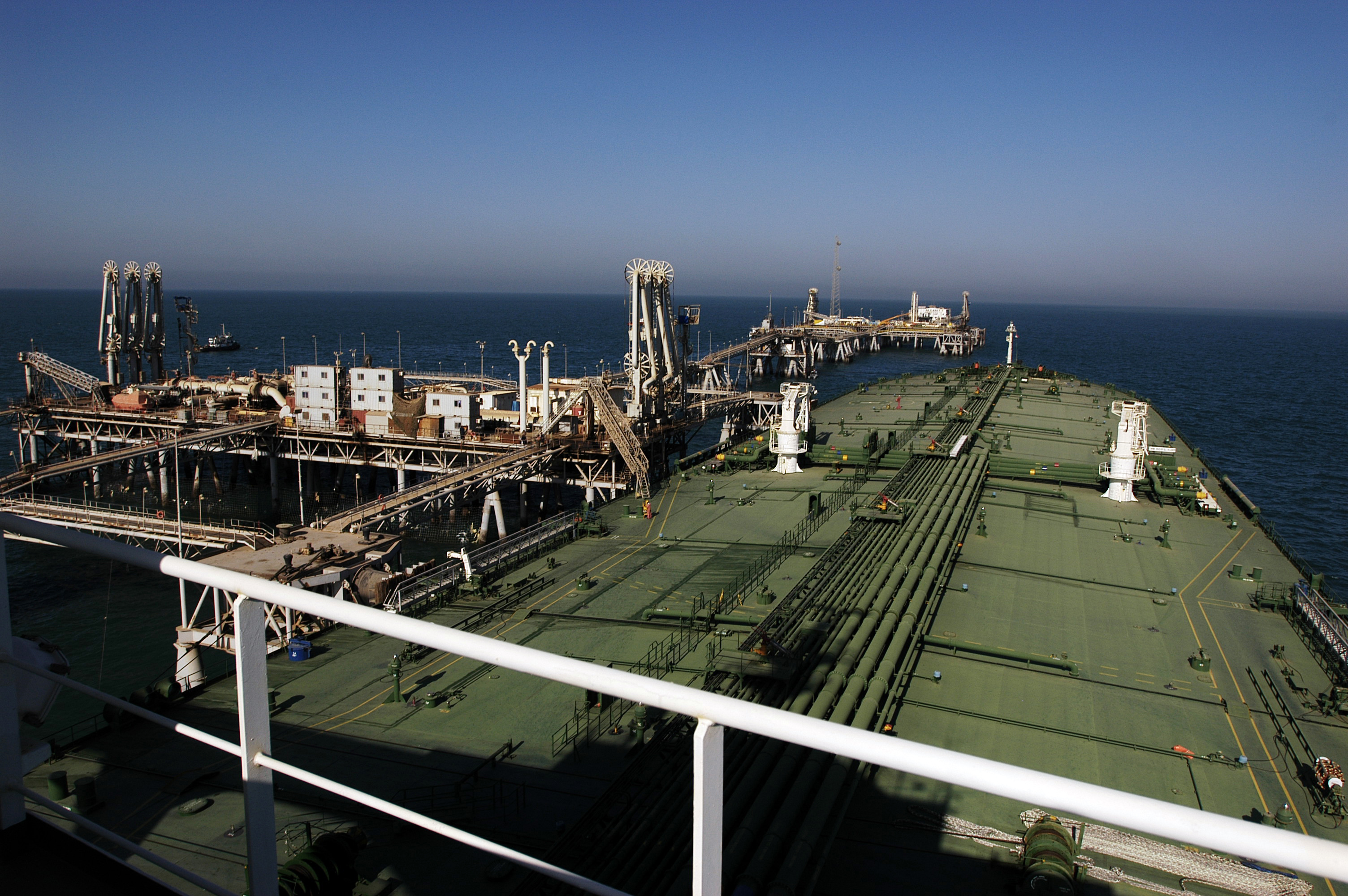
The United States launched self-defence missile strikes against Iranian targets, including Qeshm Island and an oil tanker, on June 3, 2026 [1, 2].
These strikes mark a significant escalation in the Persian Gulf, threatening the stability of global energy corridors and the security of Gulf states. The confrontation occurs as ceasefire negotiations have stalled, increasing the risk of a wider regional conflict.
U.S. forces targeted sites in the Strait of Hormuz and on Qeshm Island [2, 3]. The military operation followed a series of Iranian attacks involving ballistic missiles and drones directed at commercial ships and Gulf nations [1, 3]. U.S. forces shot down these incoming projectiles to protect ships, and the territories of Kuwait and Bahrain [2, 3].
The United States said the strikes were a self-defence response to aggressive Iranian actions [3, 4]. While reports vary on the exact scope, the operations aimed to defend Kuwait and Bahrain from missile attacks [2], and respond to attempted Iranian strikes across the Middle East [3].
Iranian forces had targeted commercial shipping lanes, leading to the U.S. decision to engage an oil tanker and military installations [2]. The Strait of Hormuz remains a critical chokepoint for global oil transit, and any military activity in these waters typically triggers immediate international concern.
U.S. officials said the actions were necessary to neutralize threats to maritime security [3]. The strikes follow a period of heightened tension where both nations have traded accusations of provocation in the region [1, 4].
“The United States launched self-defence missile strikes against Iranian targets, including Qeshm Island and an oil tanker.”
The escalation in the Strait of Hormuz underscores the fragility of maritime security in one of the world's most vital oil transit points. By targeting both a military site on Qeshm Island and a commercial tanker, the U.S. is signaling a willingness to use direct kinetic force to deter Iranian interference with shipping. The timing—coinciding with stalled ceasefire talks—suggests a shift from diplomatic resolution toward a strategy of military containment.


