U.S. President Donald Trump said Iran agreed to long-term nuclear inspections following the first round of negotiations in Switzerland [1].
The disagreement over these terms threatens to stall a fragile diplomatic process intended to resolve regional conflicts and economic sanctions. If the two nations cannot agree on verification protocols, the path toward a comprehensive deal may collapse before it is formalized.
President Trump said that Iran consented to a long-term inspection framework as part of the discussions [1]. However, Iranian officials said they did not provide any such concession [1]. This contradiction emerges as both sides attempt to define a framework that could lead to a broader agreement regarding the war, sanctions, and the Iranian nuclear program [1].
According to the current timeline, this framework is expected to pave the way for a broader agreement within 60 days [1]. The urgency of the timeline puts additional pressure on the negotiators to reconcile these conflicting accounts of the Swiss meetings.
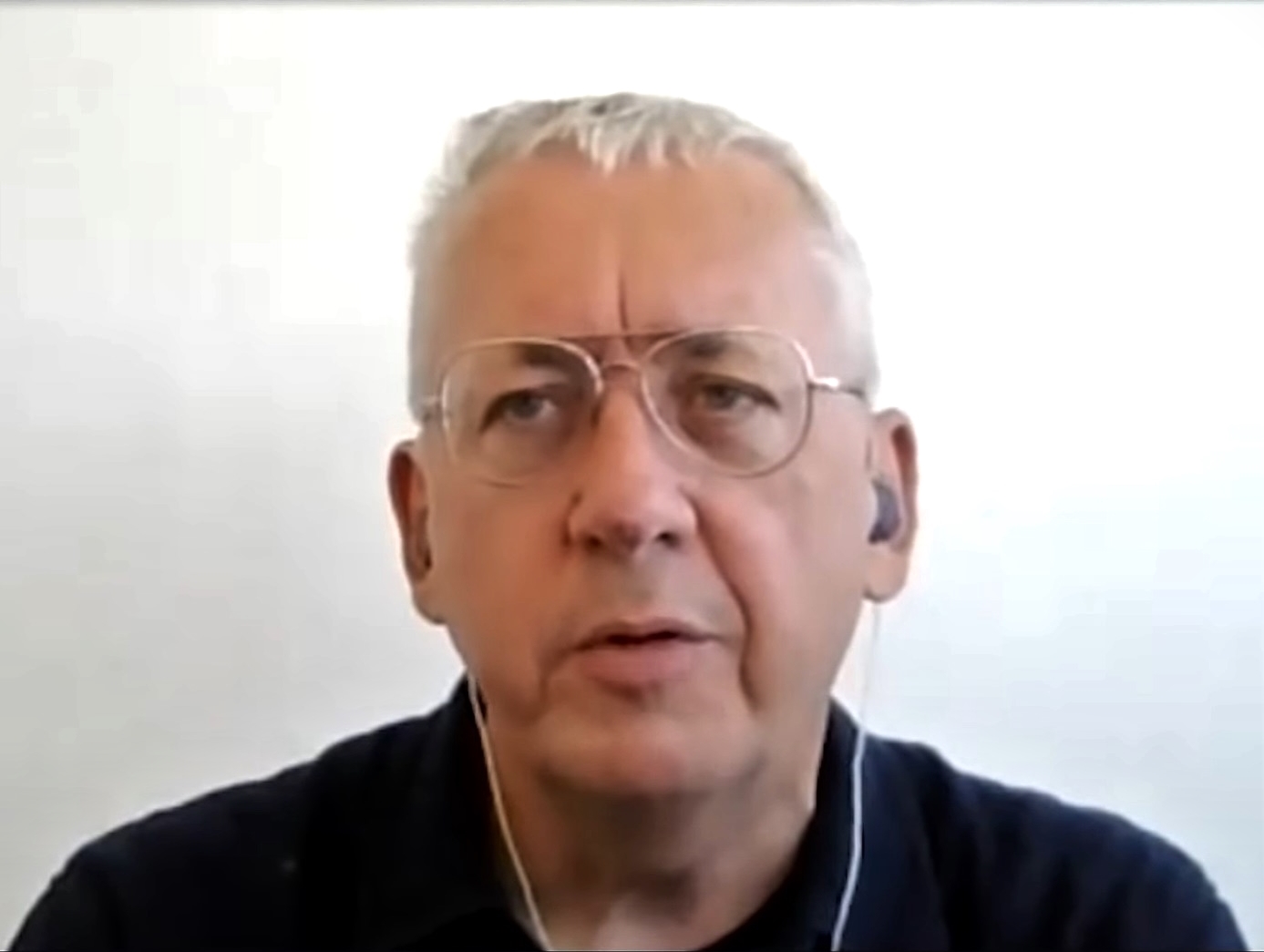
Rafael Grossi, the Director General of the International Atomic Energy Agency, said the agency will conduct inspections in Iran [1]. Grossi said the agency would move forward with the process, although the specific mechanisms for implementation have not yet been decided [1].
The IAEA remains the primary body responsible for verifying that nuclear materials are not diverted for weapons use. The fact that Grossi confirmed inspections will occur—despite the public dispute between Washington and Tehran—suggests some level of technical cooperation may still be possible.
“Iran agreed to long-term nuclear inspections”
The public discrepancy between the U.S. and Iranian accounts of the Swiss talks indicates a significant gap in trust and a lack of consensus on verification. While the IAEA's commitment to inspect suggests a baseline of international oversight, the 60-day window for a broader agreement remains precarious if the parties cannot agree on the basic terms of transparency.