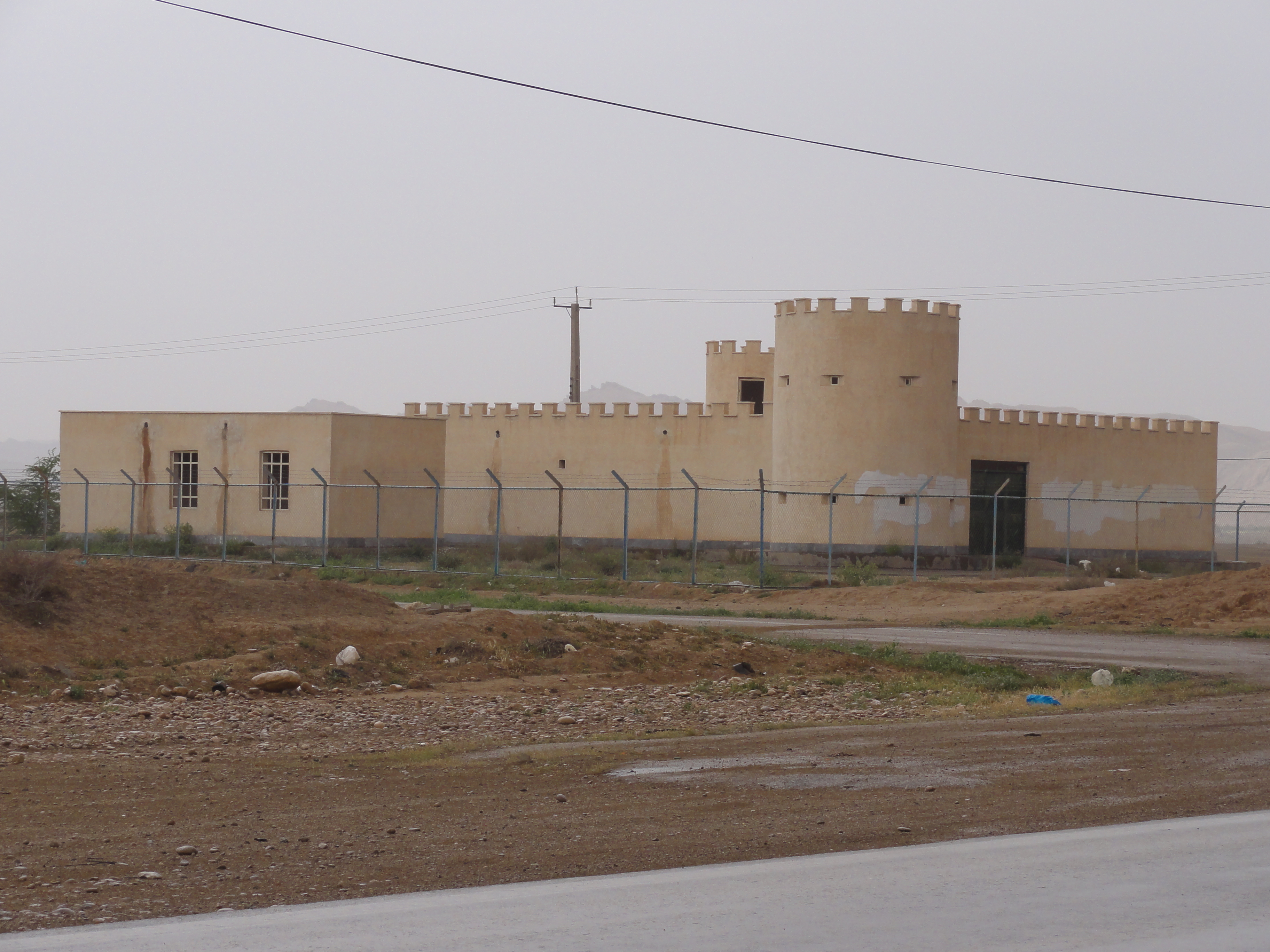
The United States is seeking a nuclear agreement that would allow it to destroy Iran’s enriched uranium stockpile [1].
This objective represents a significant escalation in security demands from Washington. If realized, the deal would directly eliminate the materials necessary for Iran to produce a nuclear weapon, addressing a primary U.S. national security concern.
Negotiations between government officials in Washington, D.C., and Tehran have reportedly reached a stage where a plan to neutralize the stockpile is nearing its final phase [1]. The focus of these talks centers on the sensitivity of the enriched uranium, which remains a central point of contention in the broader diplomatic effort to curb Iran's nuclear capabilities [2].
President Donald Trump (R-FL) has indicated a desire for a comprehensive agreement. Regarding the scope of such a deal, Trump said the U.S. should be able to do "whatever we want" [2].
The proposed arrangement would shift the dynamic of nuclear monitoring by moving beyond mere oversight toward the physical destruction of assets. This approach seeks to ensure that the materials cannot be repurposed or hidden during future diplomatic breakdowns.
Officials have not yet released a formal timeline for the signing of such an agreement. However, the reports on May 22, 2026 [1], suggest that the framework for the destruction of the stockpile is a priority for the current administration.
“The United States is seeking a nuclear agreement that would allow it to destroy Iran’s enriched uranium stockpile.”
A deal allowing the U.S. to destroy enriched uranium would mark a departure from previous diplomatic frameworks that focused on limiting production and increasing inspections. By physically removing the stockpile, the U.S. would seek a permanent technical barrier to Iran's nuclear ambitions, though such a move would require unprecedented access and trust between two adversarial governments.