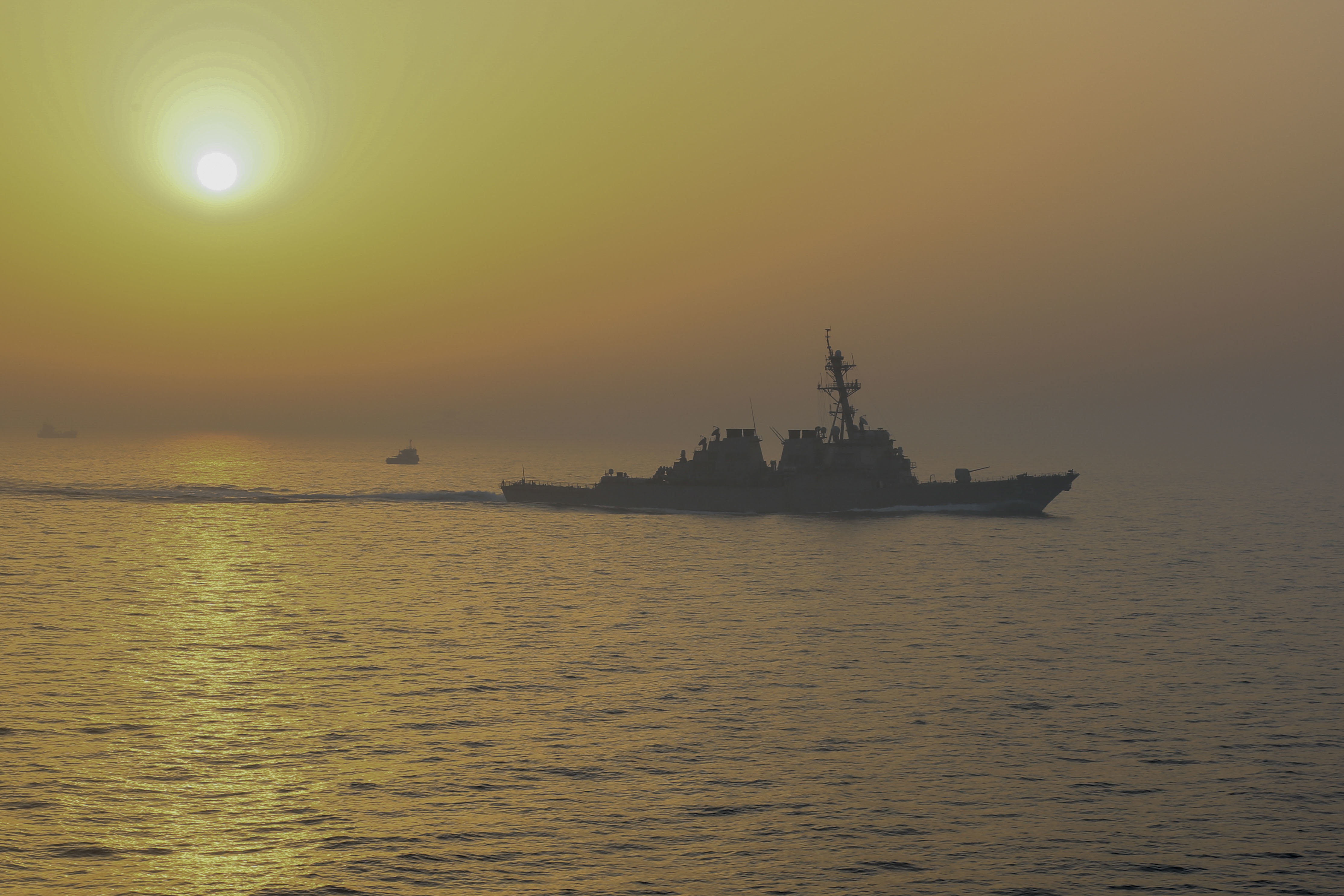
Military attacks between the U.S. and Iran are raising the risk of global oil-supply disruptions and higher gasoline prices.
The escalation threatens the stability of the Strait of Hormuz and the Red Sea, which serve as critical arteries for the world's energy shipments. Any prolonged closure or significant disruption in these corridors could trigger a spike in energy costs globally.
U.S. officials said the military actions are retaliation for Iranian-attributed aggression against three commercial vessels [3] in the Strait of Hormuz. The U.S. said the operations are intended to pressure Tehran over regional hostilities [3].
The current offensive has lasted roughly 12 days [1]. While some reports suggest a shorter window of cross-border attacks before a truce ended, other sources maintain the offensive has persisted for nearly two weeks [1].
Markets responded to the volatility on Monday. Crude oil prices saw a rise of more than 1% [2] as investors reacted to the potential for limited supply. The conflict involves not only direct Iranian territory, but also allied groups operating within the Red Sea [1].
Naval activity has intensified in these key shipping lanes. The U.S. continues to conduct strikes to secure maritime routes, while Iran and its allies maintain a presence that threatens the flow of tankers. The volatility remains high as both nations engage in a cycle of retaliation and response.
“Military attacks between the U.S. and Iran are raising the risk of global oil-supply disruptions.”
The concentration of conflict in the Strait of Hormuz and the Red Sea creates a strategic choke point for global energy. Because a significant portion of the world's petroleum passes through these narrow waterways, military instability here directly translates to market volatility. If the U.S. and Iran cannot reach a de-escalation agreement, the resulting 'risk premium' will likely keep gasoline prices elevated regardless of actual supply levels.
![Mohammad Bagher Ghalibaf is an Iranian conservative politician[5] and former military officer currently serving as the Mayor of Tehran. Ghalibaf was formerly Iran's Chief of police from 2000 to 2005 a](https://upload.wikimedia.org/wikipedia/commons/b/b9/Mohammad_Bagher_Ghalibaf_tehran_01.jpg)

