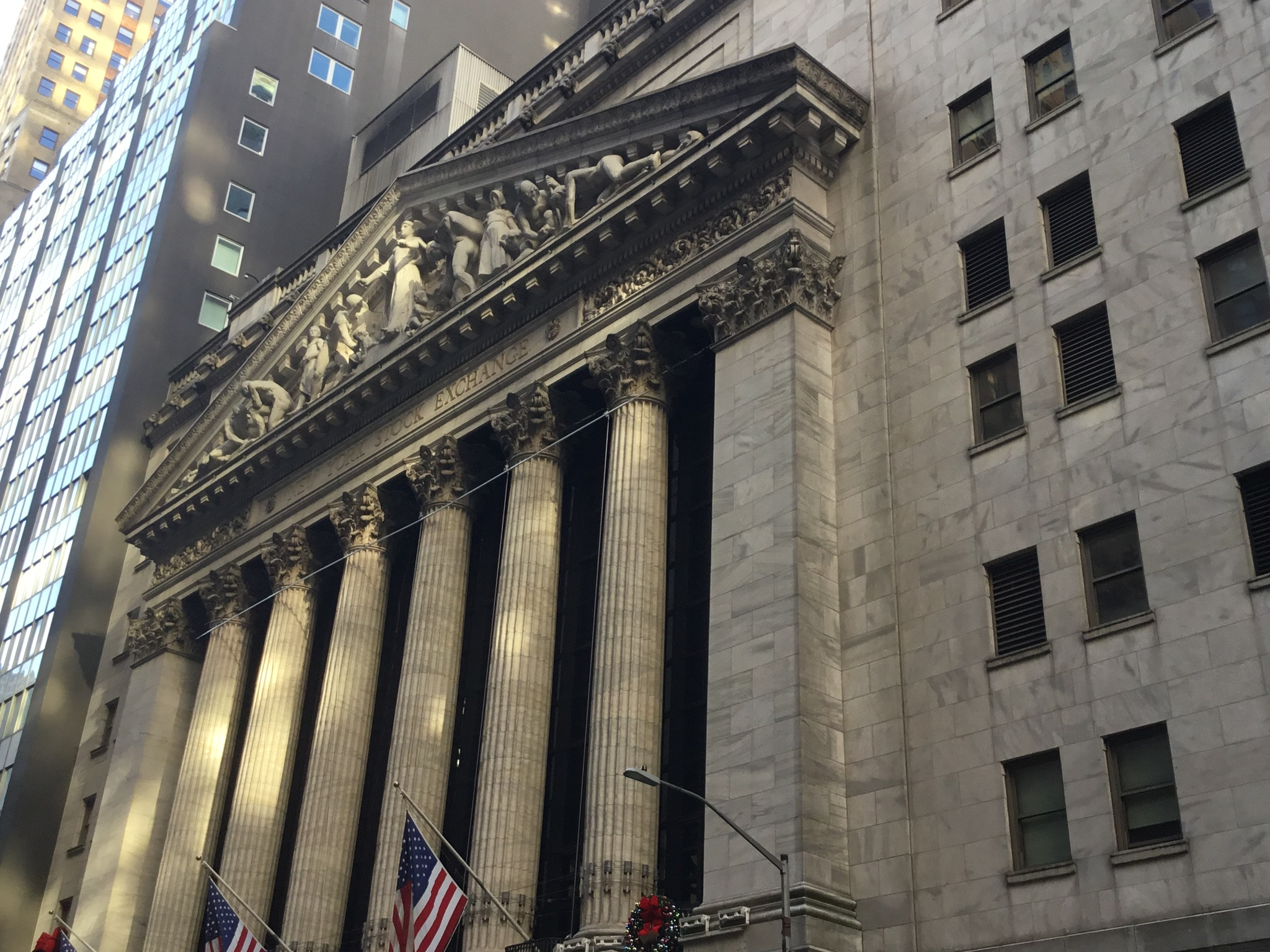
U.S. Vice President JD Vance (R-OH) and Iranian officials met in Islamabad, Pakistan, this week for high-stakes peace talks [1, 2].
These negotiations represent a critical effort to end ongoing hostilities and prevent a wider regional conflict. The discussions focused on establishing a cease-fire, ensuring the Strait of Hormuz remains open for global shipping, and addressing nuclear inspection protocols [1, 2, 3].
Vice President Vance arrived in Pakistan on Saturday, June 20, 2026 [2]. The first round of talks took place between June 21 and June 22, featuring participation from Tehran's top diplomat [2, 3]. During the proceedings, Vance said, "Iran had agreed to invite U.N. nuclear inspectors back into the country, declaring the first round" [5].
Reports on the efficacy of the summit vary. Some sources said the atmosphere on June 21 was positive and constructive [3]. Mediators said that a final agreement could be reached within 60 days [2].
However, other reports suggest the talks yielded no formal agreement [1]. These conflicting accounts include claims that the U.S. military is considering blocking ships from Iranian ports [1]. Further contradictions emerged regarding the current status of the diplomacy, with reports that talks were put on hold after the top Iranian diplomat departed and President Donald Trump told envoys not to proceed [4].
Despite these discrepancies, the presence of the Vice President in Islamabad underscores the administration's attempt to resolve nuclear and maritime tensions through direct diplomacy [1, 2].
“Iran had agreed to invite U.N. nuclear inspectors back into the country”
The volatility of the reports suggests a fragile diplomatic environment where early breakthroughs on nuclear inspections may be clashing with hardline political directives from the White House. If the reported stalemate persists, the threat of a maritime blockade in the Strait of Hormuz could escalate economic tensions even as diplomatic channels remain open.
![U.S. Secretary of State Rex Tillerson signs the visitors guestbook at the Baabda Presidential Palace in Beirut, Lebanon on February 15, 2018. [State Department photo/ Public Domain]](https://upload.wikimedia.org/wikipedia/commons/0/01/Secretary_Tillerson_Signs_the_Visitors_Guestbook_at_the_Baabda_Presidential_Palace_%2826410704428%29.jpg)