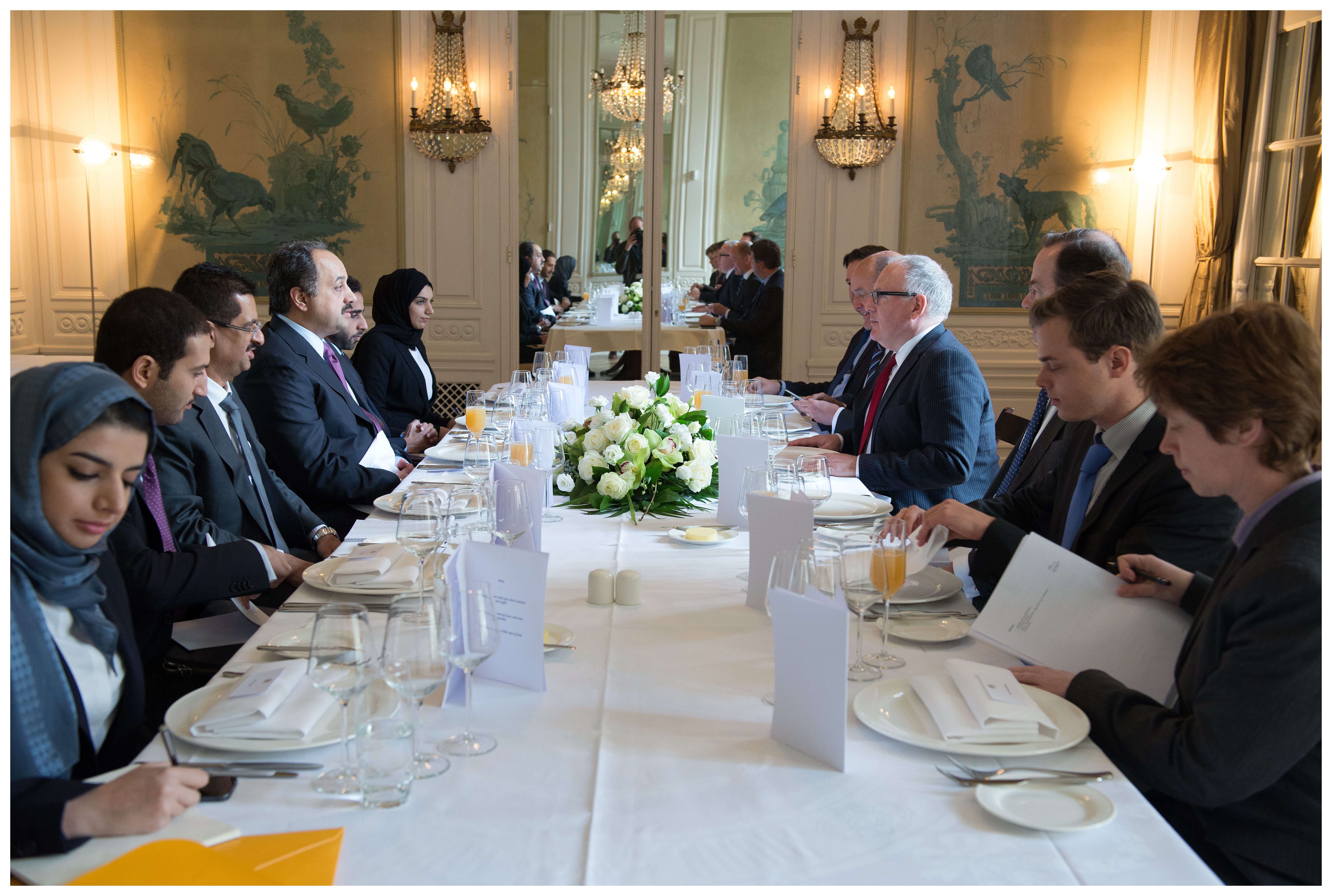
The United States and Iran held diplomatic talks in Pakistan on Saturday, April 20, 2026, to sustain a fragile ceasefire [1, 2].
These negotiations are critical because they represent a rare attempt to prevent a return to full-scale conflict after weeks of fighting between Iran and U.S.-backed forces. The outcome of these meetings determines whether a broader diplomatic agreement can be reached to stabilize the region.
The talks were launched in Pakistan and included involvement from the Pakistani army chief and observers from the Gulf [1, 3, 4]. Follow-up meetings subsequently took place in Tehran [1, 4]. The diplomatic push followed seven weeks of war [4].
At the start of the negotiations, a two-week ceasefire was already in place [2]. However, that truce was scheduled to expire on April 22, 2026 [2]. The urgency of the talks was underscored by the human cost of the conflict, which has killed thousands of people [1].
Reports on the success of the mediation are mixed. Some accounts highlight the meetings as a key diplomatic breakthrough for Pakistan [1]. Other reports said the talks ended in a deadlock without a formal agreement being reached [3].
Pakistani officials sought to broker the renewed talks after the army chief visited Tehran earlier this month [4]. The goal of the mediation was to find a diplomatic resolution to the broader conflict, and ensure the ceasefire did not collapse upon its expiration [1, 2].
“The war has killed thousands of people”
The discrepancy between reports of a 'diplomatic victory' and a 'deadlock' suggests that while Pakistan succeeded in bringing adversaries to the table, the fundamental grievances between the U.S. and Iran remain unresolved. The expiration of the April 22 truce creates a high-risk window where any diplomatic failure could lead to a rapid escalation of hostilities.