President Donald Trump (R-FL) and Iran have signed a memorandum of understanding to end the war between the two nations [1].
The agreement arrives after a period of intense conflict involving the U.S. and Israel. It seeks to stabilize the Middle East by removing immediate military and economic barriers that have disrupted global trade and regional security.
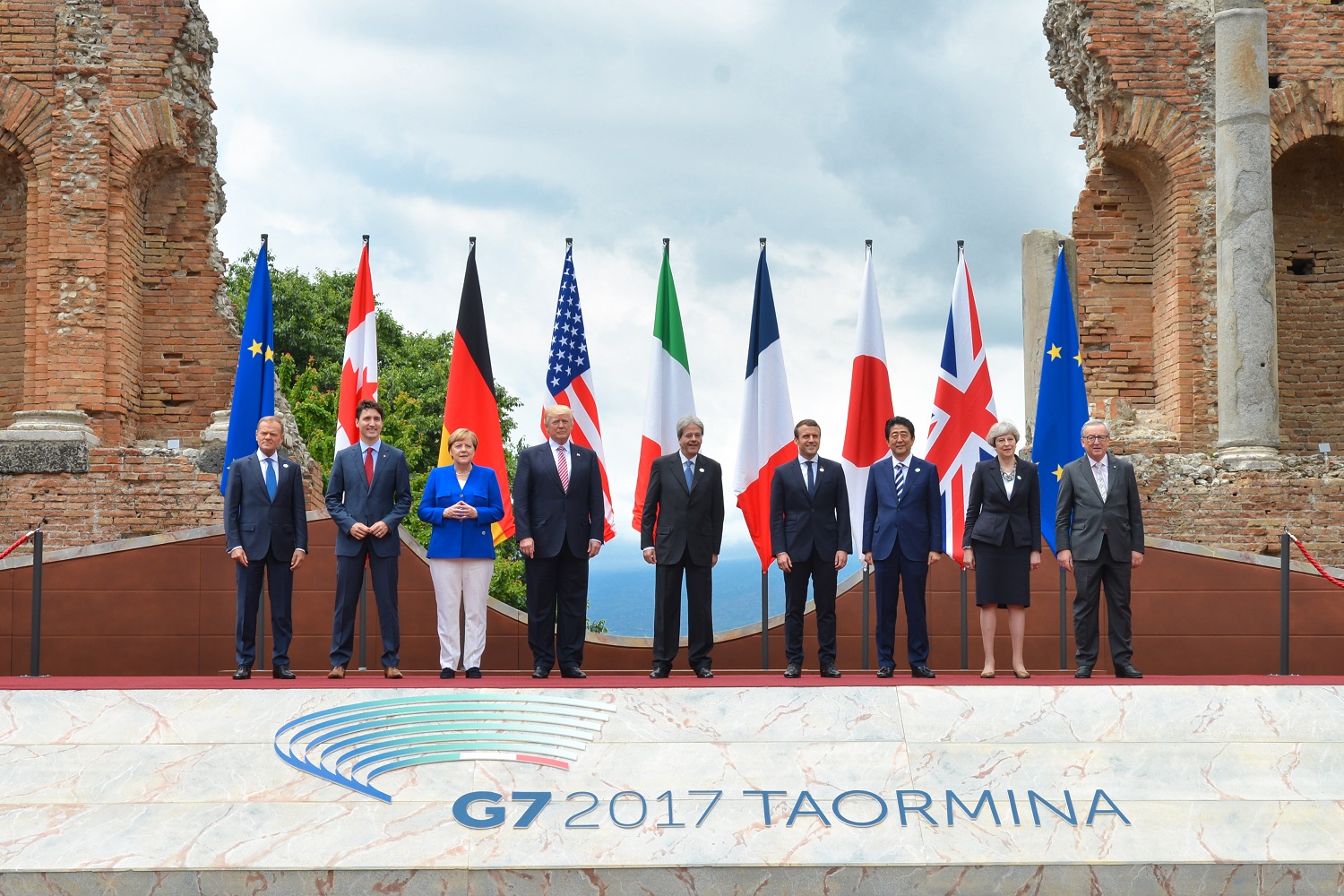
Trump announced the deal during a press conference at the G7 summit in Évian‑les‑Bains, France, on Wednesday, June 14 [1, 2]. He was accompanied by Vice President JD Vance (R-OH) during the announcement. While the specific text of the agreement remains undisclosed, the memorandum focuses on the simultaneous lifting of the U.S. blockade of Iranian ports and Iran's closure of the Strait of Hormuz [2, 3].
Pakistan served as the primary broker for the negotiations [3]. The diplomatic push aimed to resolve the security concerns stemming from the war launched by the U.S. and Israel against Iran [4].
"We have a great deal with Iran that will bring peace to the region," Trump said [2].
Earlier reports indicated the signing might occur later in the week, but Trump and Vance said during the Wednesday conference that the memorandum of understanding had already been signed [2, 5]. The move marks a significant shift in U.S. foreign policy toward Tehran, transitioning from active combat to a negotiated ceasefire.
Despite the announcement, the lack of a public document has led to questions regarding the specific terms of the peace. The G7 summit provided the backdrop for the reveal, signaling that the international community is closely monitoring the stability of the Strait of Hormuz, a vital artery for global oil shipments [1, 2].
“We have a great deal with Iran that will bring peace to the region.”
The agreement represents a strategic pivot to prevent a total collapse of energy markets by reopening the Strait of Hormuz. By utilizing Pakistan as a mediator, the U.S. has established a diplomatic channel with Iran that bypasses direct confrontation, though the secrecy of the memorandum's text suggests that the terms may be politically sensitive for both administrations.

'%2F%3E%0A%20%20%20%20%3Crect%20width%3D'1600'%20height%3D'900'%20fill%3D'url(%23v)'%2F%3E%0A%20%20%20%20%3Cg%20opacity%3D'0.08'%20fill%3D'%23ffffff'%3E%0A%20%20%20%20%20%20%3Ccircle%20cx%3D'1420'%20cy%3D'180'%20r%3D'220'%2F%3E%0A%20%20%20%20%20%20%3Ccircle%20cx%3D'1500'%20cy%3D'760'%20r%3D'120'%2F%3E%0A%20%20%20%20%3C%2Fg%3E%0A%20%20%20%20%3Cline%20x1%3D'80'%20y1%3D'172'%20x2%3D'220'%20y2%3D'172'%20stroke%3D'%23ffffff'%20stroke-width%3D'3'%20stroke-opacity%3D'0.6'%2F%3E%0A%20%20%20%20%3Ctext%20x%3D'80'%20y%3D'140'%20font-family%3D'Inter%2C%20-apple-system%2C%20Helvetica%2C%20sans-serif'%20font-weight%3D'700'%20font-size%3D'28'%20fill%3D'%23ffffff'%20letter-spacing%3D'6'%3EHANNA%20%C2%B7%20NEWS%3C%2Ftext%3E%0A%20%20%20%20%3Ctext%20x%3D'80'%20y%3D'230'%20font-family%3D'Inter%2C%20-apple-system%2C%20Helvetica%2C%20sans-serif'%20font-weight%3D'600'%20font-size%3D'40'%20fill%3D'%23ffffffb3'%20letter-spacing%3D'4'%3EWORLD%3C%2Ftext%3E%0A%20%20%20%20%3Ctext%20x%3D'80'%20y%3D'622'%20font-family%3D'Playfair%20Display%2C%20Georgia%2C%20serif'%20font-weight%3D'800'%20font-size%3D'86'%20fill%3D'%23ffffff'%20letter-spacing%3D'-1'%3ERahul%20Gandhi%20to%20lead%20student%3C%2Ftext%3E%3Ctext%20x%3D'80'%20y%3D'721'%20font-family%3D'Playfair%20Display%2C%20Georgia%2C%20serif'%20font-weight%3D'800'%20font-size%3D'86'%20fill%3D'%23ffffff'%20letter-spacing%3D'-1'%3Eprotest%20in%20Kota%20over%20NEET%3C%2Ftext%3E%3Ctext%20x%3D'80'%20y%3D'820'%20font-family%3D'Playfair%20Display%2C%20Georgia%2C%20serif'%20font-weight%3D'800'%20font-size%3D'86'%20fill%3D'%23ffffff'%20letter-spacing%3D'-1'%3Eleaks%3C%2Ftext%3E%0A%20%20%20%20%3Ctext%20x%3D'80'%20y%3D'870'%20font-family%3D'Inter%2C%20-apple-system%2C%20Helvetica%2C%20sans-serif'%20font-weight%3D'500'%20font-size%3D'22'%20fill%3D'%23ffffff66'%20letter-spacing%3D'2'%3Enews.hanna-ai.com%3C%2Ftext%3E%0A%20%20%3C%2Fsvg%3E)
