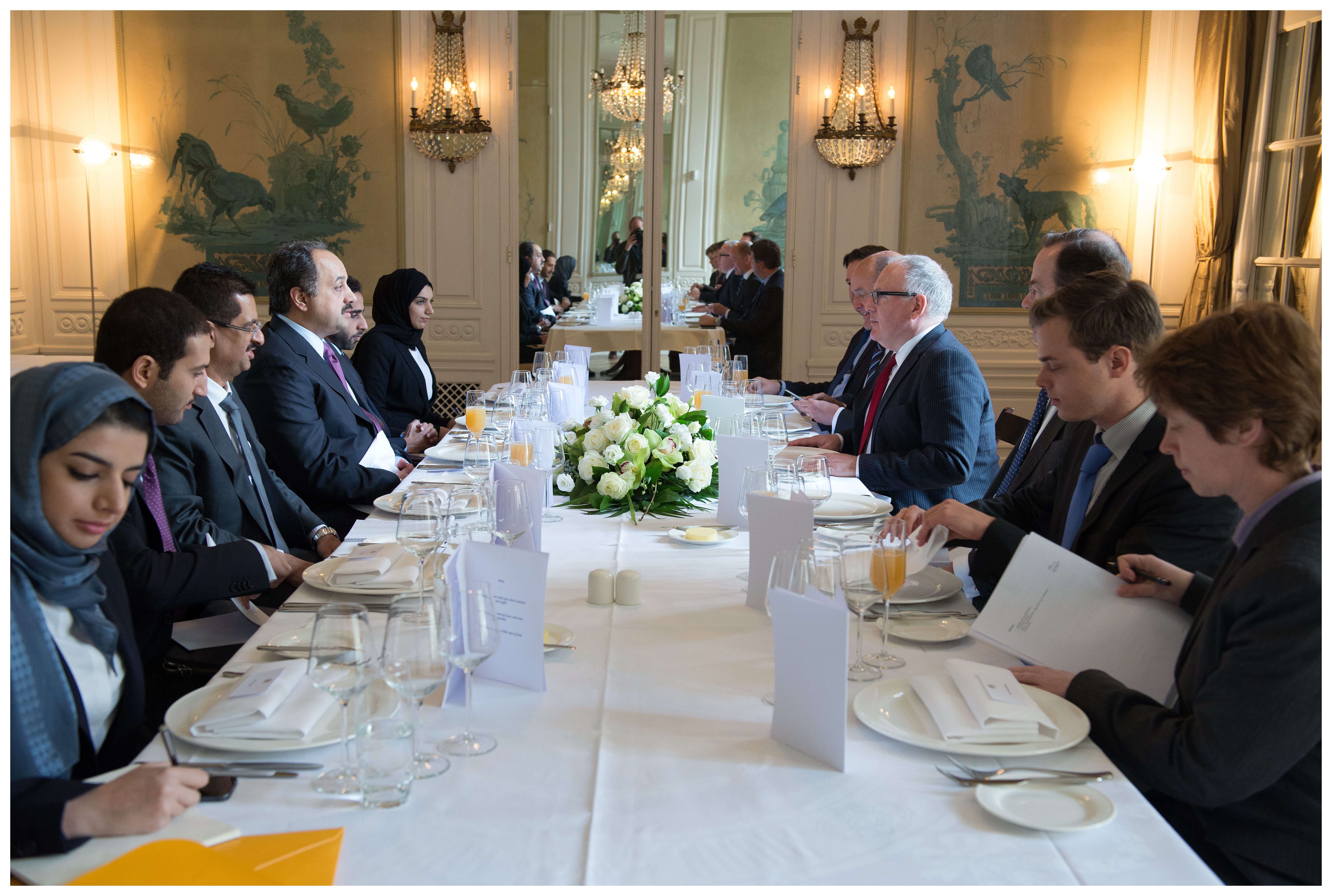
The United States is awaiting a response from Iran regarding a proposed peace deal to end the regional war and reopen the Strait of Hormuz [1].
The outcome of these negotiations carries significant weight for global energy markets and regional stability. The Strait of Hormuz serves as a critical shipping lane, and its closure or restriction continues to threaten the flow of international oil and goods [1].
U.S. officials have presented Iran with a proposal designed to de-escalate tensions and halt a conflict that has killed thousands of people [1]. The deal seeks a comprehensive end to the hostilities that have destabilized the Persian Gulf region [2].
While diplomatic efforts proceed, military activity has intensified elsewhere. Israel has resumed military strikes against targets in Lebanon [2]. These operations are part of ongoing hostilities linked to the broader regional conflict [2].
New talks between Israel and Lebanon are reportedly planned to address the volatility on their shared border [3]. These discussions occur as the U.S. continues to press for a breakthrough with Tehran to secure the shipping lanes and stop the wider war [1].
The U.S. proposal focuses on the immediate reopening of the Strait of Hormuz to ensure maritime security [1]. Officials said they are monitoring the Iranian response to determine if a diplomatic resolution is viable or if the region will see further escalation [2].
“The U.S. has presented Iran with a proposal to reopen the Strait of Hormuz and end the regional war.”
The simultaneous pursuit of a high-level peace deal with Iran and active military strikes by Israel in Lebanon illustrates the fragmented nature of the current regional crisis. While the U.S. is prioritizing the restoration of global trade routes through the Strait of Hormuz, the ongoing kinetic conflict in Lebanon suggests that a total ceasefire remains elusive, as local security concerns continue to trigger military responses regardless of diplomatic overtures.