U.S. President Donald Trump and Iran's president signed an interim peace agreement on Wednesday at the Palace of Versailles in France [1].
The deal marks a diplomatic shift aimed at ending the ongoing U.S.-Iran war and stabilizing global energy markets by restoring shipping through the Strait of Hormuz [4].
French President Emmanuel Macron was present for the signing ceremony [1]. The agreement includes a commitment from the United States to lift all sanctions on Iran [2]. In exchange, the two nations agreed to a ceasefire, and the reopening of the Strait of Hormuz [4].
Central to the pact is a $300 billion [3, 4] reconstruction plan designed to rebuild the Iranian economy. The memorandum detailing the terms of the ceasefire and economic recovery consists of 14 paragraphs [4].
Reports on the identity of the Iranian leader who signed the document vary. Reuters said the signatory was President Ebrahim Raisi [1], while NDTV said the president was Pezeshkian [5].
The interim agreement serves as a framework for a more permanent resolution. Both parties agreed that further talks are due within 60 days [5] to finalize the long-term terms of the peace process.
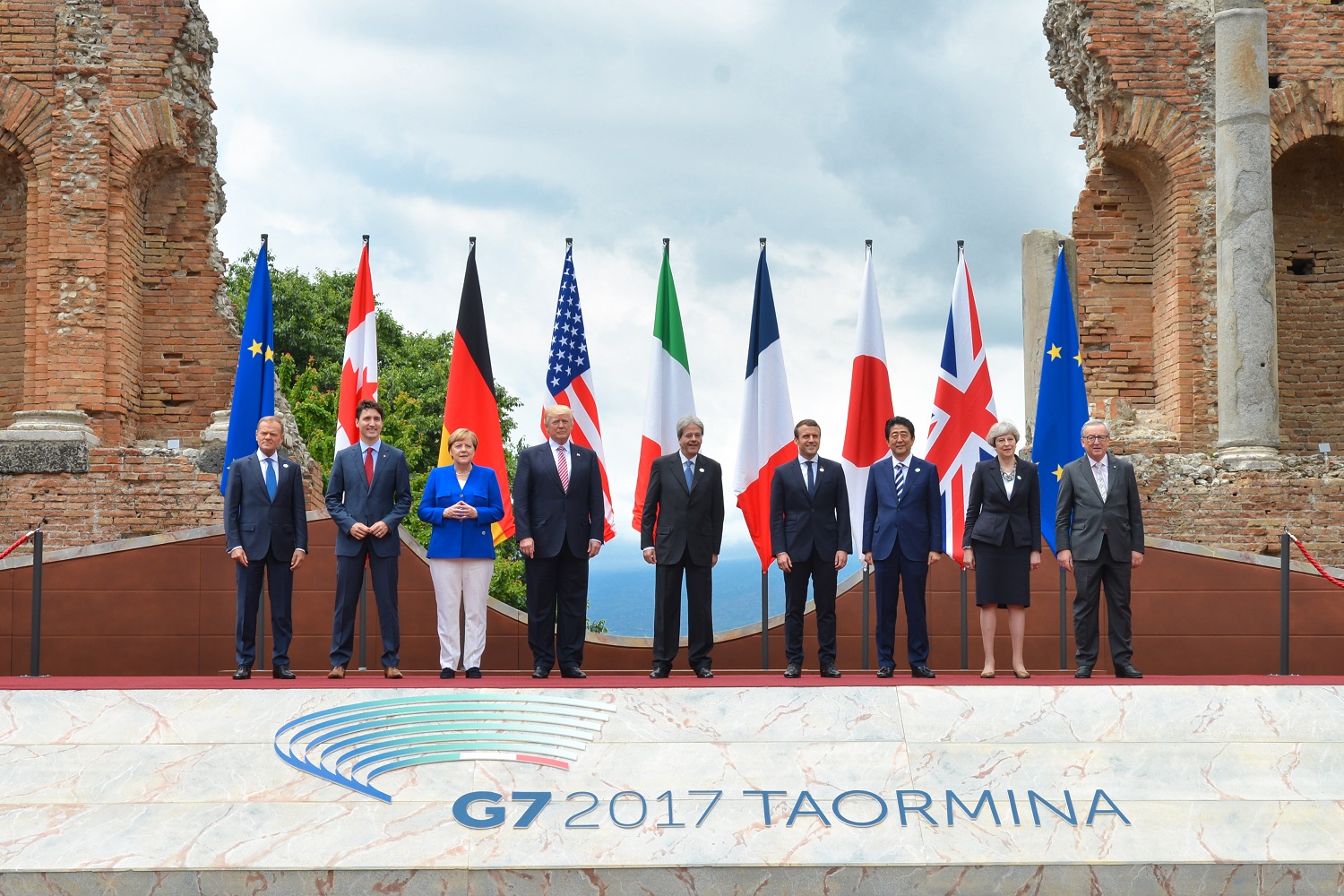
The signing took place against a backdrop of international pressure for stability in the Middle East. G7 leaders have previously called for ceasefires in the region to prevent further escalation [1].
“The agreement includes a commitment from the United States to lift all sanctions on Iran.”
This agreement represents a fundamental pivot in U.S. foreign policy toward Iran, shifting from a strategy of maximum pressure to one of economic integration and diplomatic engagement. By linking the lifting of sanctions to the reopening of the Strait of Hormuz, the deal prioritizes global maritime security and energy price stability. However, the interim nature of the 14-paragraph memorandum suggests that the most difficult geopolitical concessions remain subject to the upcoming 60-day negotiation window.