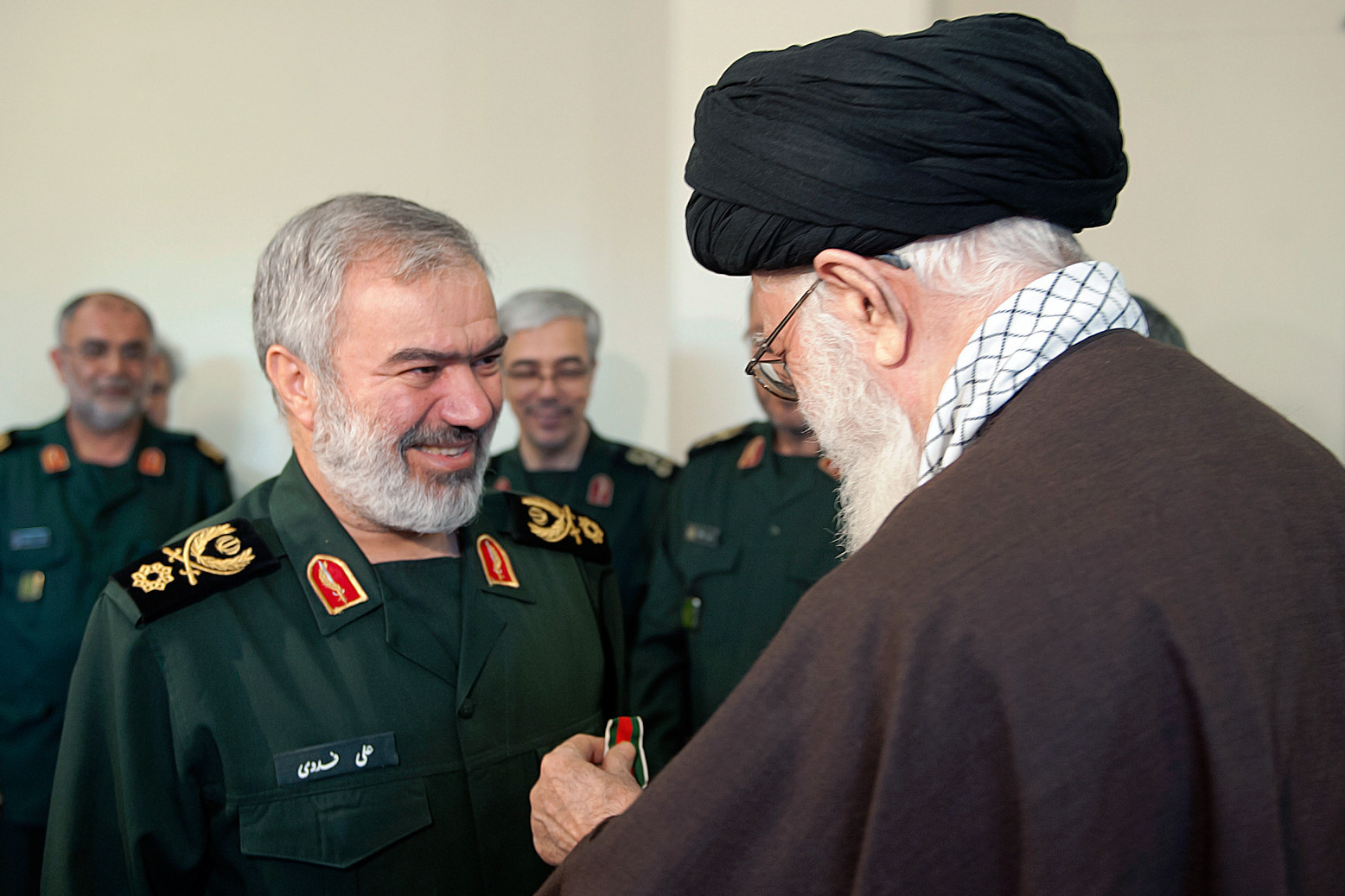
The United States and Iran have agreed to halt military strikes and meet in Qatar this Tuesday to discuss reopening the Strait of Hormuz [2].
This diplomatic pause follows a rapid escalation in the Gulf region that threatened global energy shipping lanes and increased the risk of a wider regional war.
The Iranian Revolutionary Guard, known as the IRGC, launched strikes on Kuwait and Bahrain [1]. These attacks were described as retaliation for U.S. attacks on Iranian territory [2]. Air raid sirens were reported in both Kuwait and Bahrain as the IRGC sought to pressure the U.S. amid the escalating conflict [2].
While the IRGC targeted these two Gulf states [1], other reports indicated that attacks also targeted U.S. military bases in the region [3]. The shift toward diplomacy comes after a period of intense volatility where the U.S. and Iran traded blows across the Persian Gulf.
The scheduled meeting in Qatar on Tuesday aims to address the maritime blockade and the security of the Strait of Hormuz [2]. This waterway is a critical chokepoint for global oil exports, and its closure has significant implications for international markets.
Both nations have committed to a cessation of hostilities to allow the diplomatic process to proceed. The outcome of the Tuesday meeting will determine whether the region returns to a state of stability or if the military engagements will resume.
“The Iranian Revolutionary Guard launched strikes on Kuwait and Bahrain”
The agreement to meet in Qatar suggests that both the U.S. and Iran are wary of a full-scale war that could permanently disrupt the Strait of Hormuz. By targeting Kuwait and Bahrain, Iran demonstrated its ability to expand the conflict beyond bilateral strikes, forcing a diplomatic intervention to prevent a total collapse of regional security and global oil stability.


