
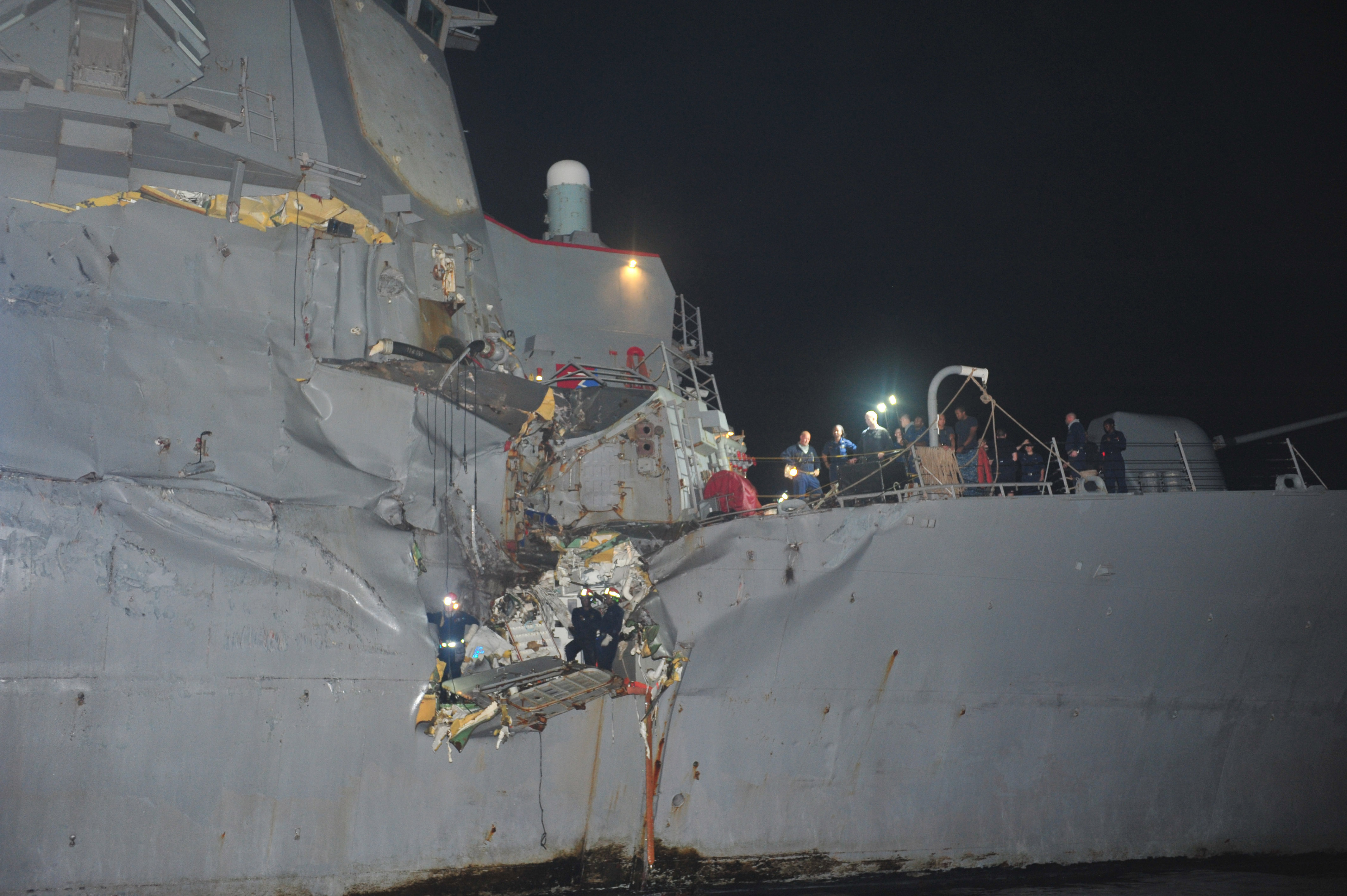
The U.S. military has intercepted Iranian attacks on three U.S. navy ships [1] as tensions escalate over the Strait of Hormuz.
Control of this narrow waterway between Oman and Iran is critical for global energy security. Any prolonged disruption to shipping in the strait can destabilize international oil markets and trigger wider military conflict in the Middle East.
President Donald (R-FL) Trump said the U.S. blockade of the region "will remain in full force" [2], despite claims from Iranian authorities that the waterway has been reopened. The conflicting reports follow a period of instability where Iran temporarily shut part of the Strait of Hormuz on Tuesday [3]. This action marked the first time the strait had been closed since the 1980s [4].
In an effort to manage the crisis, Iran created a new agency to control shipping in the strait while reviewing a peace deal with the U.S. [1]. Earlier this month, on May 1, 2026, an Iranian official said, "Safe transit through the Strait of Hormuz will be ensured" [5]. These assurances followed a brief period where the U.S. paused some operations [3].
Despite the promise of safe passage, the U.S. military continues to operate in the region. A U.S. military spokesperson said the navy "targeted Iranian military facilities responsible for" the attacks on the three ships [2].
The situation remains volatile as both nations employ competing maritime strategies. Iran has imposed new shipping-coordination rules to assert its authority over the corridor [1], while the U.S. continues to use its naval presence to pressure Tehran through the blockade [2].
“"will remain in full force"”
The convergence of naval blockades and the creation of a new Iranian shipping agency suggests a shift toward institutionalized control of the Strait of Hormuz. By alternating between temporary closures and promises of safe transit, Iran is testing the U.S. resolve and the effectiveness of the current blockade. The persistence of the U.S. blockade despite Iran's reopening claims indicates that Washington views the situation as a strategic leverage point rather than a simple matter of maritime traffic.


