President Donald Trump announced Monday that the U.S. and Iran have largely negotiated an agreement to end their war [1, 2].
The deal aims to reopen the Strait of Hormuz, a strategically vital waterway for global energy shipping. A resolution to the conflict could stabilize international oil markets and reduce military tensions in the Middle East [2, 3].
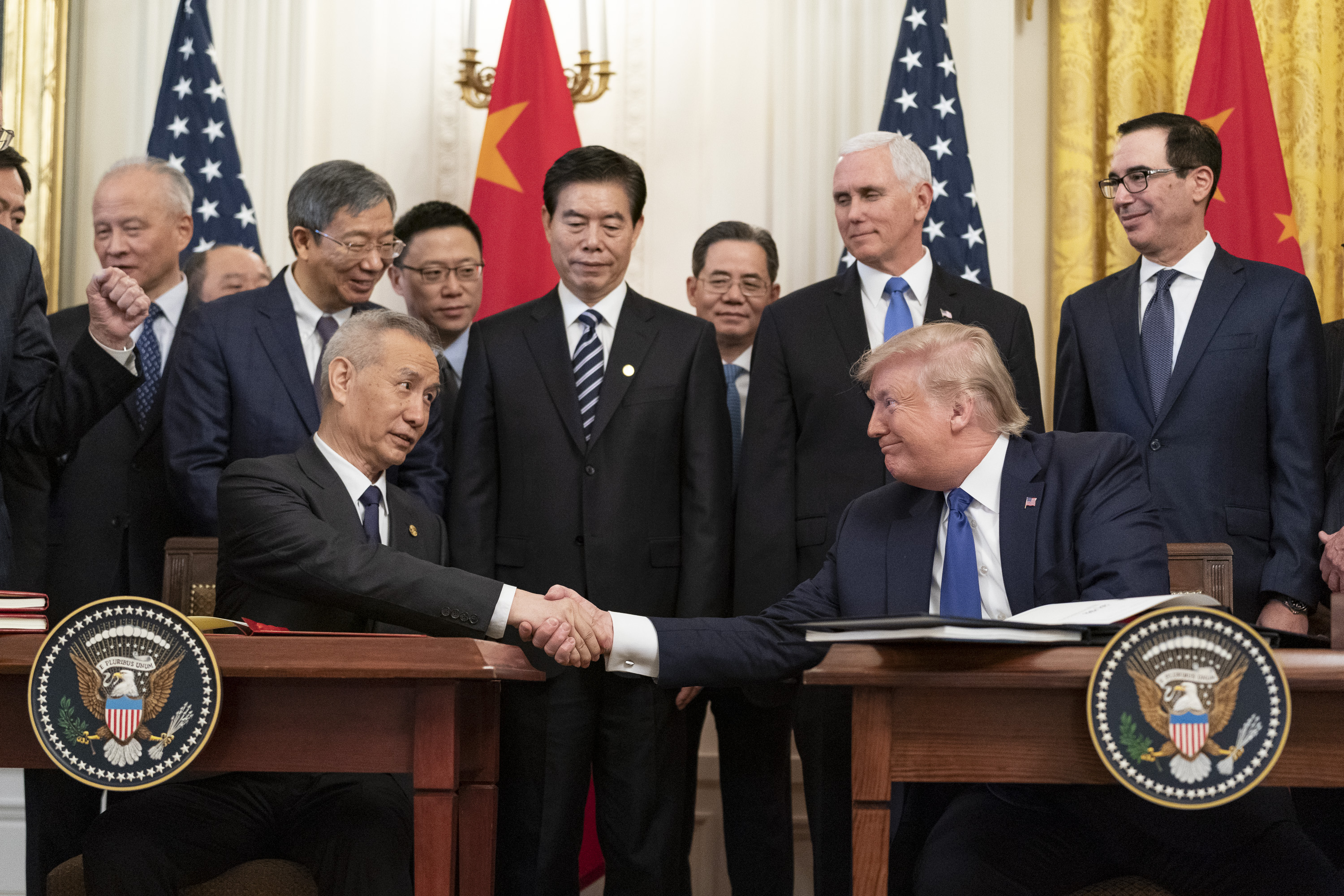
Following a call with Middle East leaders, Trump said, "We have an agreement that is largely negotiated" [1]. A senior U.S. official said that the president and Iran's top negotiator have already remotely signed a memorandum of understanding [3]. This preliminary step precedes an expected formal signing ceremony.
A spokesperson for the U.S. State Department said the move was a "historic breakthrough that will end the war and reopen the Strait of Hormuz" [2]. The announcement comes as the 80-year-old president seeks a diplomatic resolution to the ongoing hostilities [4].
However, the status of the agreement remains a point of contention. While U.S. officials cite the signed memorandum, other reports indicate that Iran responded to the talk of an agreement by recalling historic battles, a move that implies a formal deal may not have been fully reached [1, 3].
Observers note that the practical effectiveness of the agreement depends on the cessation of hostilities. Some analysts said the true test of the deal will only occur if the fighting actually stops [4].
“"We have an agreement that is largely negotiated."”
The reopening of the Strait of Hormuz is the central economic pillar of this deal, as the waterway is a critical chokepoint for global oil supplies. While the U.S. administration is framing this as a definitive peace breakthrough, the discrepancy between the White House's claims and Iran's rhetoric suggests that the memorandum of understanding may be a framework for further talks rather than a finalized treaty.