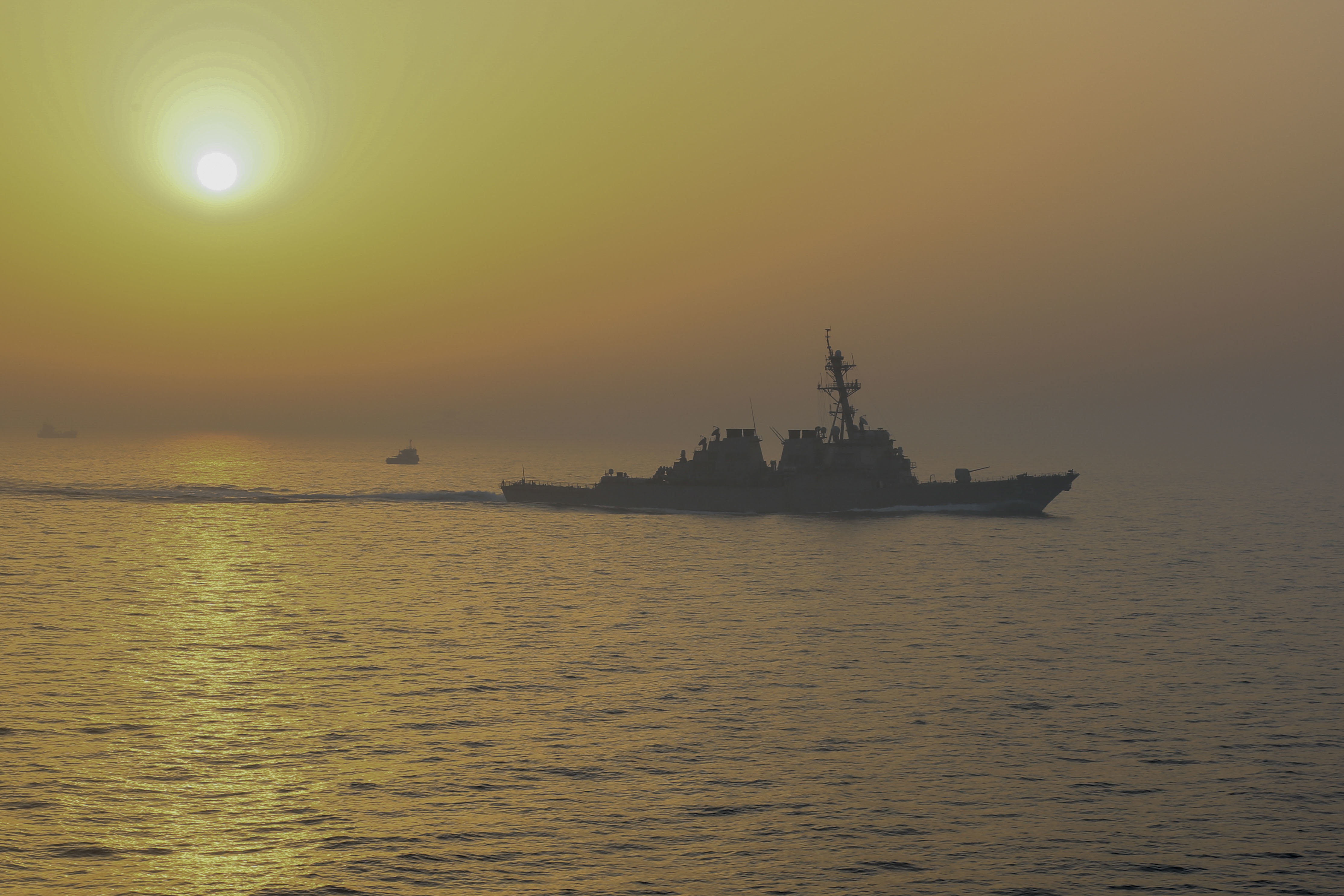
Global oil prices rose Tuesday as naval confrontations between the United States and Iran intensified in the Strait of Hormuz.
The escalation threatens one of the world's most critical maritime chokepoints, creating immediate uncertainty regarding the stability of global energy flows and the security of commercial tankers.
Brent crude traded above $110 per barrel [1] following the renewed friction. Market data from Tuesday showed oil prices rose between two% and nearly three% [2, 3], marking a one-month high for the commodity [3].
The price spike follows a series of escalating attacks and the implementation of a renewed U.S. naval blockade involving Iranian vessels [2, 4]. These military actions have stranded tankers in the waterway, further tightening the perceived supply of crude oil [5].
While the naval standoff is the primary driver of the current volatility, some market analysts point to a lack of confidence in diplomatic solutions. Reports indicate skepticism that upcoming peace talks will be sufficient to resolve the disruptions in the Persian Gulf [5].
The Strait of Hormuz remains the primary artery for oil exports from the region. Any prolonged blockade or increase in kinetic attacks typically triggers a rapid response in futures markets due to the difficulty of rerouting massive tankers around the narrow passage [4].
U.S. naval forces have increased their presence in the area to escort merchant ships and maintain a security perimeter amid the ongoing standoff with Iranian forces [4, 5].
“Brent crude traded above $110 per barrel”
The surge in oil prices reflects a 'geopolitical risk premium' where markets price in the possibility of a total supply disruption. Because the Strait of Hormuz is a narrow passage with few alternatives, even localized naval skirmishes can create global inflationary pressure by increasing the cost of energy and transportation.


