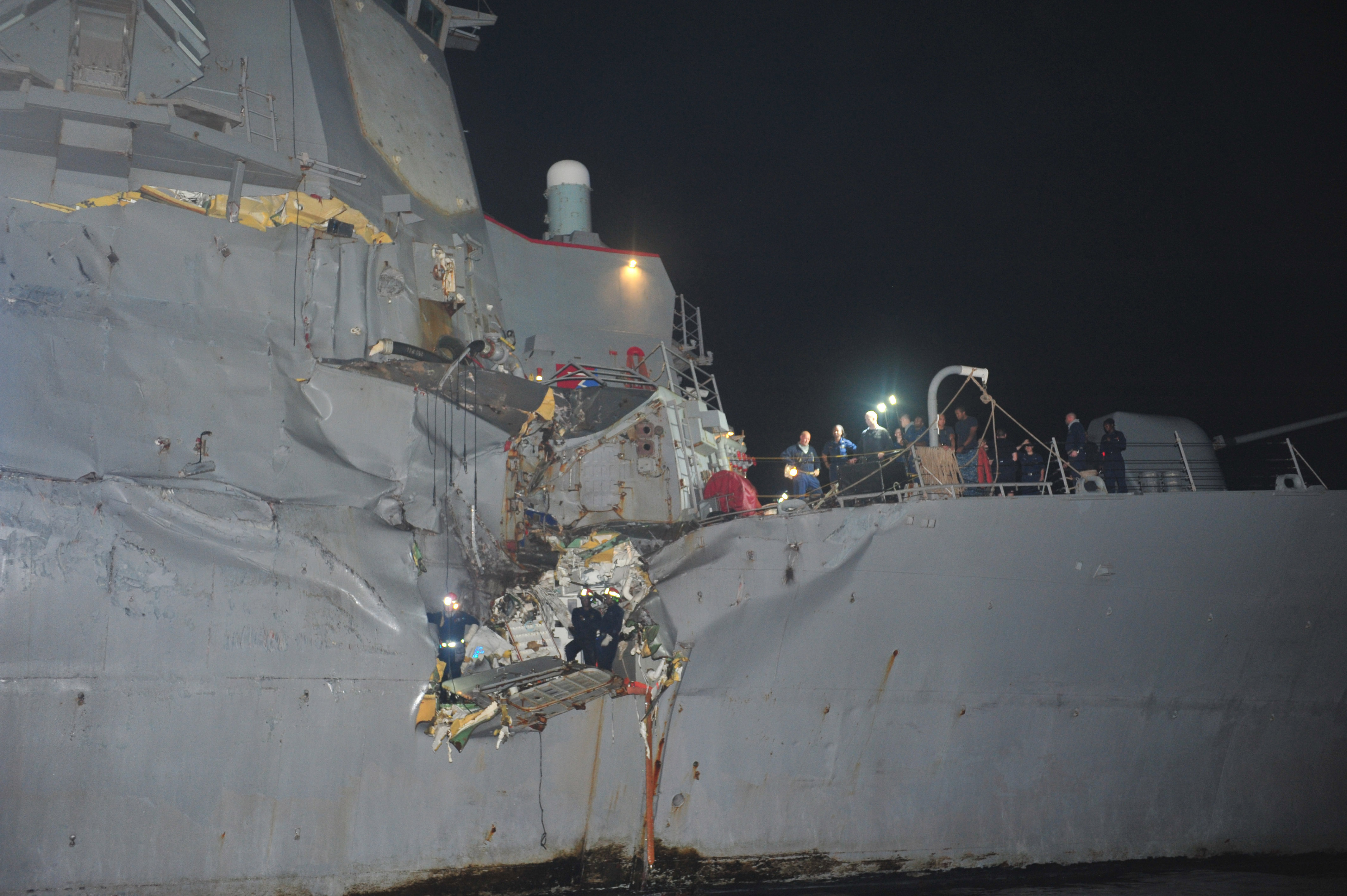
U.S. forces sank seven Iranian boats on May 4, 2026, after Iran attacked commercial vessels in the Strait of Hormuz [1], [2].
These clashes place immediate pressure on a recently extended ceasefire and threaten the stability of one of the world's most critical maritime corridors. The escalation tests the durability of diplomatic efforts to prevent a full-scale conflict in the region.
According to reports, Iranian forces targeted at least three commercial ships [1]. In response to these actions, U.S. military forces engaged and sank seven small Iranian boats [2]. The incidents occurred on Monday, May 4, 2026 [3].
President Donald Trump (R-FL) addressed the situation during an interview with ABC News. He said, "It was not heavy firing" [4].
The attacks follow a period of tension where President Trump had extended a ceasefire intended to maintain peace [1]. The sudden shift to kinetic engagement in the Strait of Hormuz suggests a fragile security environment where commercial shipping remains a primary target for Iranian aggression.
U.S. officials and military personnel responded to the threats to commercial traffic to ensure the free flow of navigation. The sinking of the seven small boats served as a direct tactical response to the Iranian attacks on the merchant vessels [2].
“U.S. forces sank seven Iranian boats on May 4, 2026”
The engagement in the Strait of Hormuz demonstrates that a formal ceasefire may not be sufficient to deter Iranian tactical operations against commercial shipping. By sinking seven boats in response to attacks on three ships, the U.S. is signaling a policy of proportional but decisive force to maintain maritime security, even while pursuing a broader diplomatic truce.


