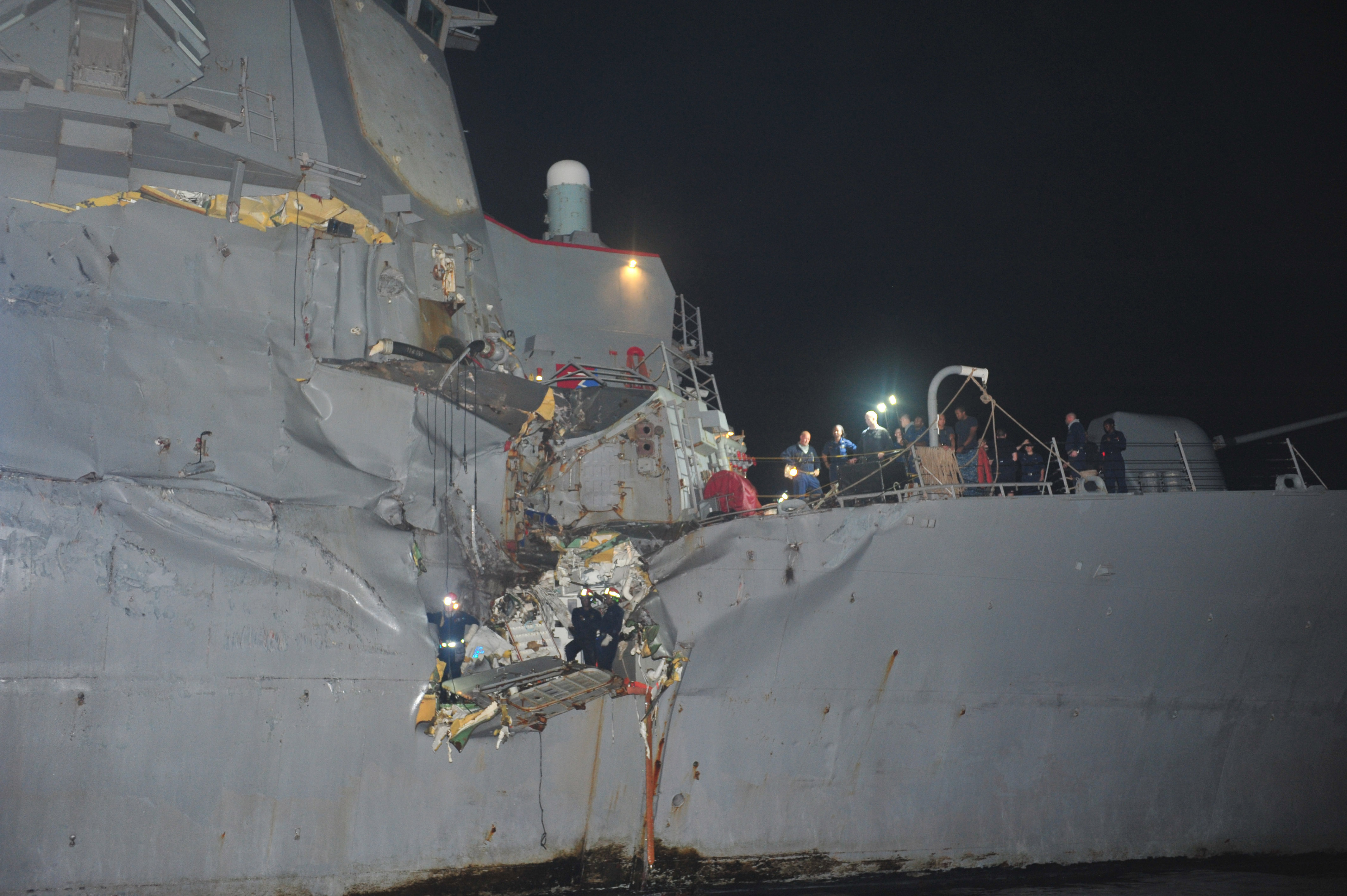
The United States and Iran exchanged reciprocal air and naval strikes near the Strait of Hormuz on Saturday, July 13, 2026 [1].
The clashes threaten to destabilize a critical global shipping lane and dismantle a fragile diplomatic truce established just weeks ago. Because the Strait of Hormuz is a primary artery for global energy exports, any prolonged military escalation could trigger significant volatility in international oil markets.
Both nations allege the other side breached a preliminary memorandum of understanding and cease-fire reached in June 2026 [2]. The conflict involved the targeting of assets in the Persian Gulf, though reports differ on who initiated the engagement. Some reports state the U.S. launched strikes after Iran targeted a vessel, while Iranian sources said they responded to American strikes [1, 3].
As part of the response, the U.S. Navy launched two F/A-18 Super Hornet jets from the aircraft carrier USS Nimitz [4]. A U.S. Central Command spokesperson said, "We have taken decisive action to protect our forces and interests in the region."
Iran has framed its actions as a necessary reaction to American aggression. An Iranian Foreign Ministry spokesperson said, "The United States has repeatedly violated the cease-fire and we will respond accordingly" [3].
The rapid breakdown of the June agreement has drawn concern from foreign policy experts. Rebeccah Heinrichs, a senior fellow at the Hudson Institute, said, "This escalation risks unraveling the fragile agreement reached last month."
Neither side has provided a detailed accounting of casualties or the specific extent of the damage to naval and air assets. The region remains on high alert as both the U.S. military and the Islamic Revolutionary Guard Corps maintain a presence near the waterway [1, 2].
“"This escalation risks unraveling the fragile agreement reached last month."”
The collapse of the June 2026 memorandum of understanding suggests that tactical misunderstandings or strategic mistrust outweigh the current diplomatic incentive for peace. If the U.S. and Iran cannot return to the terms of the cease-fire, the Persian Gulf could see a permanent increase in military posture, raising the risk of an accidental encounter that could lead to a wider regional conflict.