
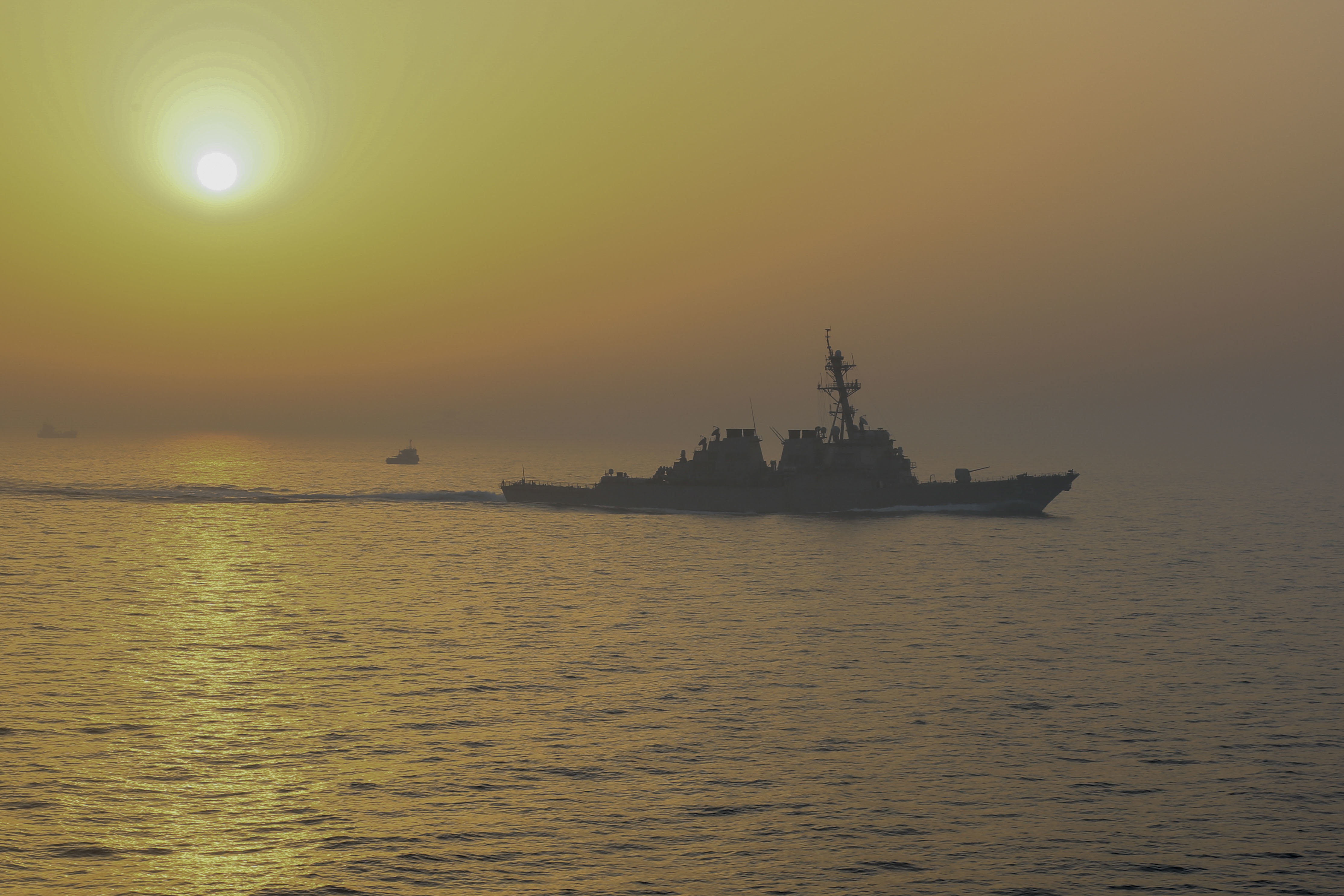
The United States launched self-defense strikes on a strategic Iranian island in the Strait of Hormuz on June 3, 2026 [1].
These escalations threaten the stability of the Persian Gulf and risk expanding a regional conflict into a direct war between two nuclear-capable powers.
U.S. military officials said the strikes were "self-defense" [2]. The action followed reports that peace talks between the two nations had faltered and that Iran had launched missiles at U.S. allies in the region [3].
In response, Iran fired ballistic missiles at Kuwait International Airport and attempted attacks on locations in Bahrain [4]. A Kuwaiti official said one person died in the attack on the international airport [5]. While some early reports suggested the attacks were shot down or failed, other sources confirmed the strike on Kuwait was deadly [6].
President Donald Trump (R-FL) addressed the escalating tension and the need for a diplomatic resolution. "It’s time for them to make a deal," Trump said [7].
Iran said that its missile launches were retaliation against perceived U.S. aggression [3]. The strategic nature of the U.S. target—an island in the Strait of Hormuz—places military pressure on one of the world's most critical oil transit chokepoints [1].
U.S. forces continue to monitor the region as both nations trade accusations of provocation. The strikes on June 3, 2026 [1], mark a significant shift in the current military engagement between Washington and Tehran.
“"It’s time for them to make a deal."”
The targeting of Kuwait and Bahrain suggests Iran is willing to expand its operational theater beyond direct confrontations with the U.S. or Israel to pressure regional Gulf allies. By striking a strategic island in the Strait of Hormuz, the U.S. is signaling its intent to protect maritime corridors and deter Iranian missile capabilities, effectively raising the stakes of a potential full-scale regional war.



