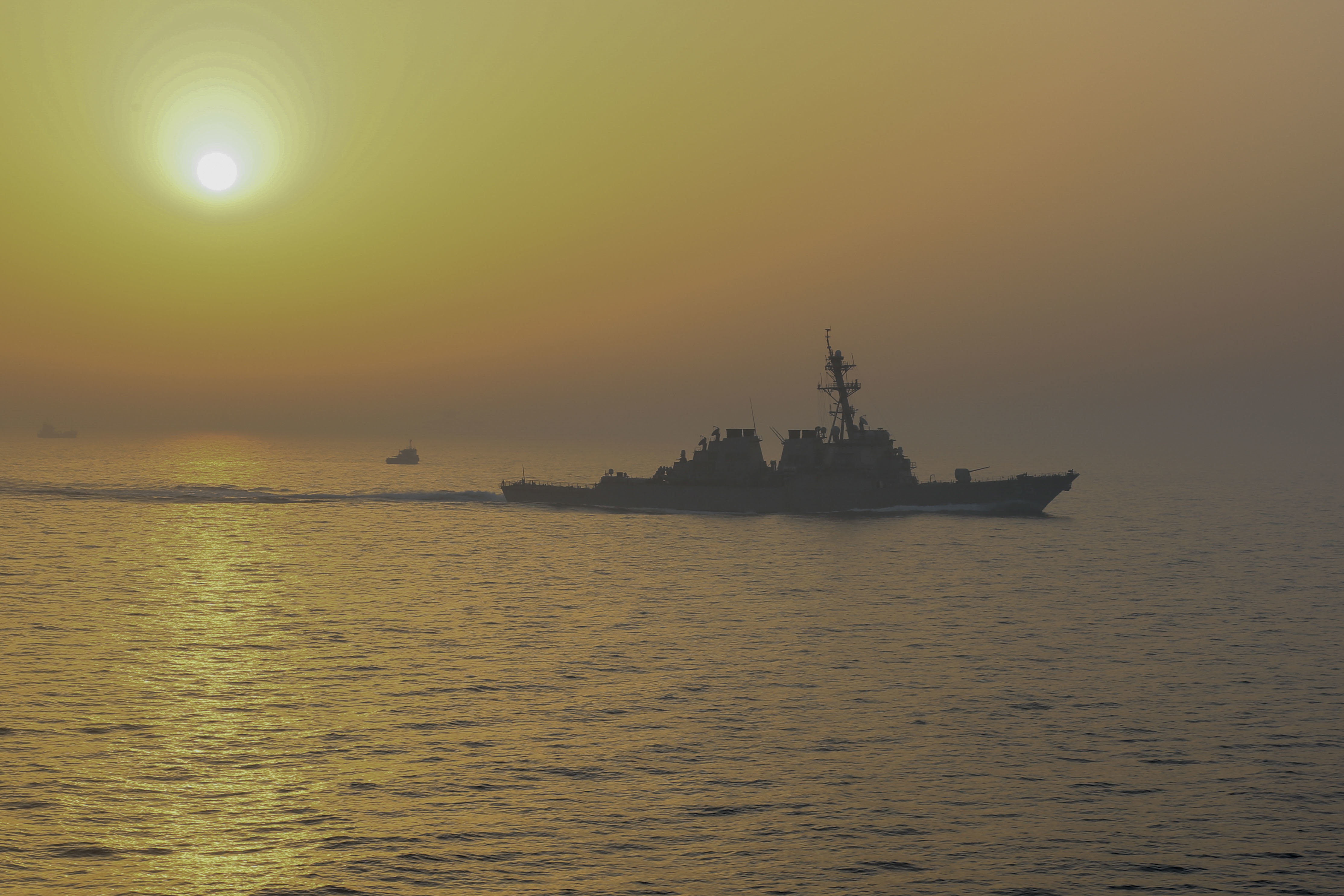
Oil prices rose as the U.S. and Iran exchanged military strikes and disputed whether the Strait of Hormuz remains open for shipping [1].
The escalation threatens one of the world's most critical energy arteries. Any prolonged disruption to the shipping lane between the Persian Gulf and the Gulf of Oman could trigger a global energy crisis by restricting the flow of crude oil to international markets [3].
Brent crude prices reacted to the news. Initial reports indicated the price rose 3.2% to $78.43 per barrel [2]. However, subsequent data showed a surge of 9.6% to $83.30 per barrel on July 13 [4].
The military friction follows a breakdown in diplomatic relations. President Donald Trump said the ceasefire between the two nations was "over" on July 10 [5].
"The ceasefire is over," Trump said [6].
The current instability is compounded by conflicting reports regarding the accessibility of the Strait of Hormuz. While the two nations trade strikes, traders have bid up prices due to the uncertainty of whether vessels can safely navigate the waterway [1].
Further complicating the market is the U.S. decision to revoke licenses that previously allowed Iran to sell its oil [3]. This move, combined with reports of Iranian attacks on vessels in the strait, has intensified the risk premium on crude futures [3].
Market analysts said the tit-for-tat strikes have created a climate of geopolitical tension that makes a swift return to price stability unlikely, especially as the U.S. reinstates a blockade against Iran [4].
“"The ceasefire is over."”
The volatility in Brent crude prices reflects the market's sensitivity to the 'Hormuz choke point.' Because a significant portion of the world's oil passes through this narrow strait, military conflict here does not just affect regional stability but directly impacts global inflation and energy costs. The transition from a ceasefire to active military exchange suggests a return to a high-tension posture that may sustain elevated oil prices for the foreseeable future.


