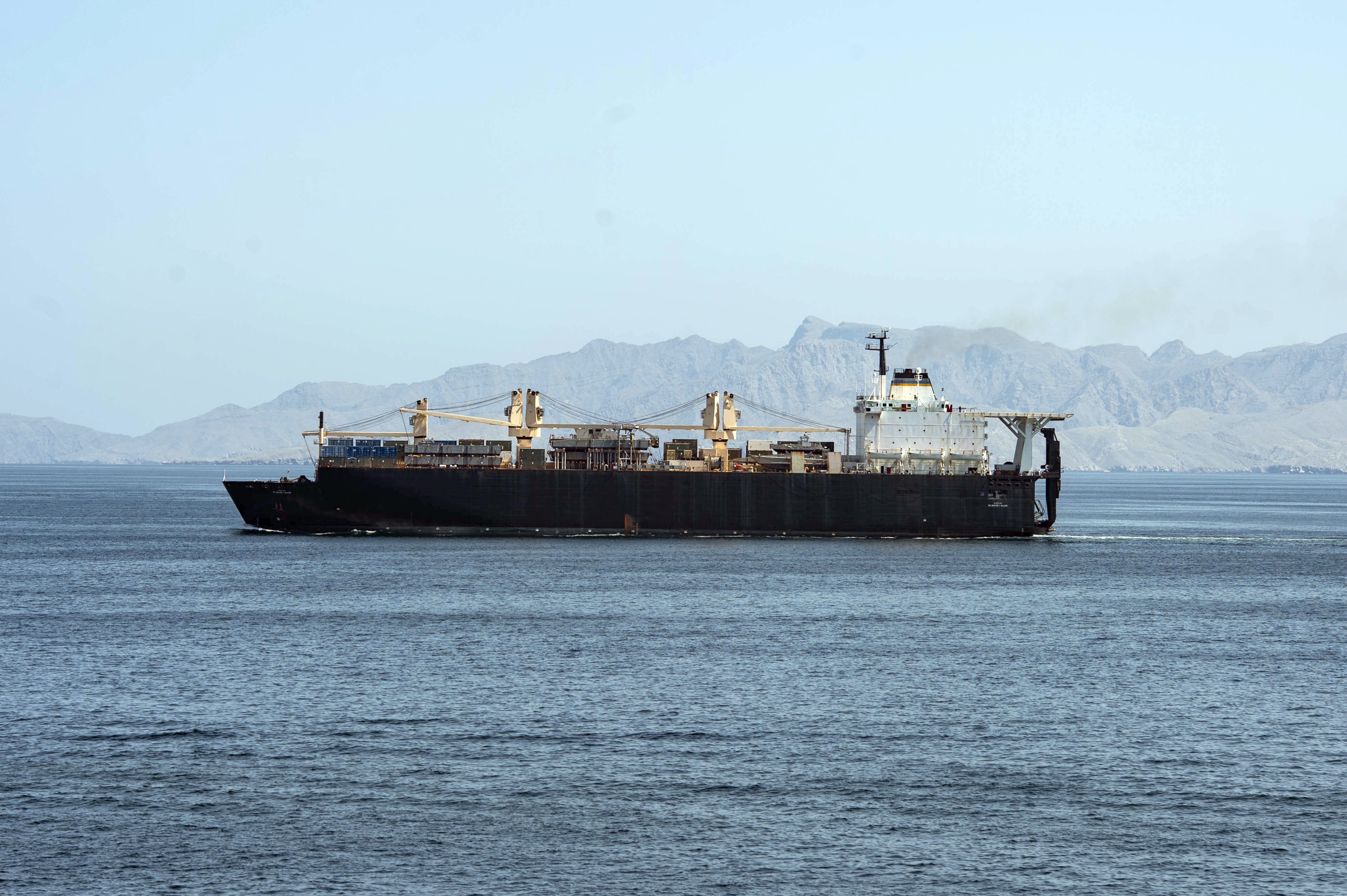
The U.S. military launched strikes against Iranian missile sites and mine-laying boats on Tuesday while Texas voters cast ballots in a primary runoff [1].
These simultaneous events signal a period of heightened volatility in both domestic politics and international security. The military action in the Strait of Hormuz suggests an escalation in tensions with Iran, while the Texas runoff could shift the state's political trajectory.
U.S. forces targeted assets in the Strait of Hormuz to deter further Iranian aggression following recent mine-laying incidents [1]. Secretary of State Marco Rubio said the administration will continue to hold Iran accountable for its aggression in the region [1].
In Texas, the primary runoff election took place on May 26, 2026 [1]. The runoff was triggered by a tight Senate race. Jack Blanchard, a Playbook host, said a last-minute endorsement of Ken Paxton by Donald Trump could tip the runoff in Paxton's favor [1].
Separately, NASA announced a strategic plan to establish a sustainable human presence on the Moon. NASA Administrator Bill Nelson said the agency's goal is to have a sustainable presence on the lunar surface by 2028 [2]. While some reports suggest a target of 2029, the agency's primary objective remains 2028 [2].
The lunar base is intended to secure a long-term U.S. presence on the Moon, expanding scientific research, and operational capabilities beyond Earth's orbit [2].
“We will continue to hold Iran accountable for its aggression in the Strait of Hormuz.”
The convergence of these events highlights a U.S. strategy focused on asserting dominance across three different frontiers: geopolitical stability in the Middle East, political consolidation within the U.S. interior, and long-term strategic positioning in space. The military strikes indicate a lower threshold for kinetic response to Iranian naval interference, while the lunar timeline suggests an accelerated pace for space colonization to maintain a competitive edge.