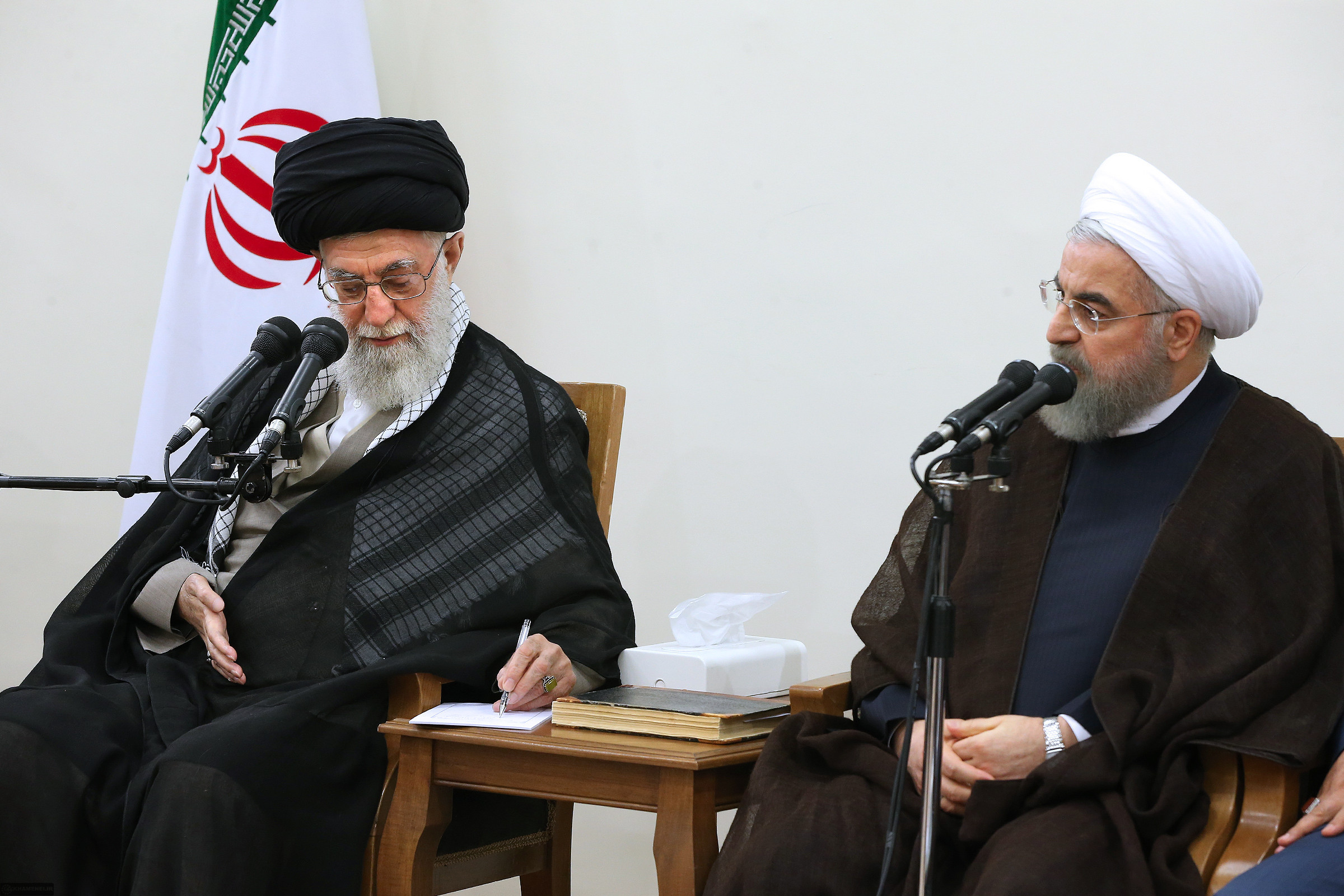
Indirect negotiations between the U.S. and Iran will resume following the funeral of Iran's late Supreme Leader, Ayatollah Ali Khamenei [1].
These discussions are critical for the implementation of a diplomatic framework intended to stabilize maritime security in the Strait of Hormuz and resolve disputes over frozen Iranian assets [5]. A failure to maintain this momentum could jeopardize the fragile peace process during a period of Iranian political transition.
Pakistani and Qatari mediators said Thursday that the talks will pause for approximately one week [3, 4]. The pause allows for the multi-day funeral rites in Tehran [2]. Despite the hiatus, Qatari officials said the discussions have made "positive progress" [2].
President Trump and mediators said that progress had been achieved prior to the pause [3]. The current diplomatic push follows a Memorandum of Understanding signed on June 18, 2026 [6]. This agreement laid the groundwork for the current round of indirect talks, which were further supported by technical-level discussions held on June 21, 2026 [7].
Mediation efforts have been centered in Doha, Qatar, where officials from both the U.S. and Iran have communicated indirectly [2, 4]. The primary objectives of the resumed talks include the finalization of the June agreement, and the potential end of the U.S. blockade [5].
Officials said the resumption of talks is essential to maintain the trajectory established in June. The mediators continue to coordinate the timeline for the next round of discussions to ensure both parties remain committed to the framework [1, 4].
“"positive progress"”
The pause in negotiations coincides with a major leadership transition in Iran. By maintaining a commitment to resume talks immediately after the funeral, the U.S. and Iran are signaling that the diplomatic framework established by the June 18 Memorandum of Understanding transcends the death of the Supreme Leader. The involvement of Pakistan and Qatar as mediators underscores a regional effort to prevent escalation in the Strait of Hormuz while addressing the economic leverage of frozen assets.


