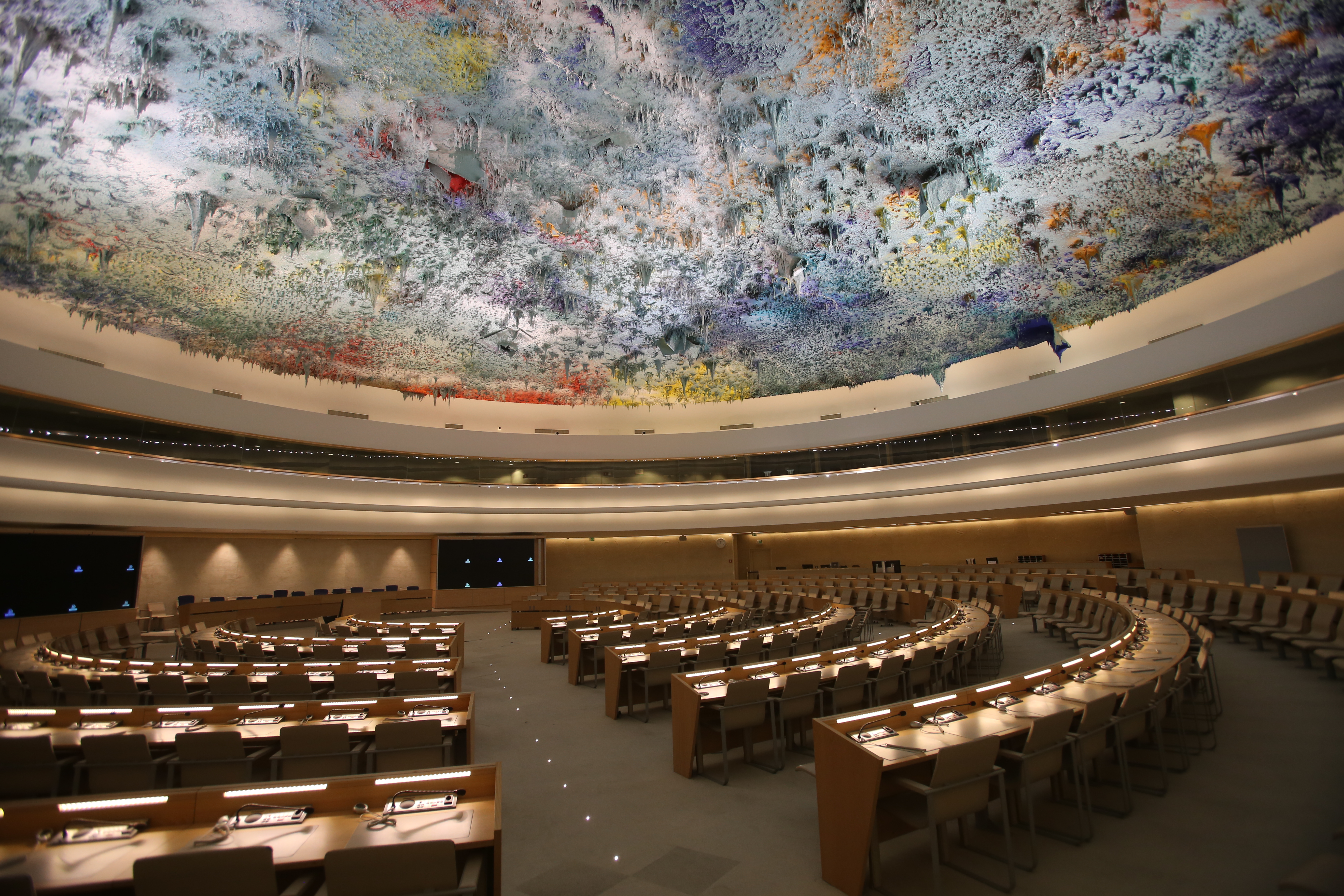
Planned peace talks between the United States and Iran in Switzerland were postponed Friday following diplomatic friction and ongoing conflict in Lebanon.
The postponement signals a fragile diplomatic environment where regional violence and leadership skepticism threaten to derail efforts to stabilize the Middle East.
U.S. Vice President JD Vance canceled his trip to Geneva after Iran's Supreme Leader expressed skepticism regarding the proposed deal [1]. The shift in scheduling comes as the U.S. administration navigates complex security requirements in the region. Vance said the agreement does not compromise the right of self-defense for either side [3].
While diplomacy stalled, violence intensified on the border between Israel and Lebanon. Lebanese authorities reported that 16 people were killed during clashes between the Israeli army and Hezbollah [1]. Simultaneously, reports indicate that four Israeli soldiers died in a Hezbollah attack [1].
These casualties occurred on the morning of June 19, 2024, adding pressure to the diplomatic efforts in Switzerland [1]. The escalation persists despite conflicting reports regarding the willingness of Hezbollah to halt hostilities [1].
In a separate development, Donald Trump said the situation was "Iran’s unconditional surrender" [3]. This characterization contrasts with the actual postponement of the talks and the continued fighting on the ground.
The U.S. and Iran have long sought a framework for stability, but the current volatility in Lebanon remains a primary obstacle to a formal agreement. With the Geneva meetings delayed, the window for a ceasefire depends on the movements of the Israeli military and Hezbollah forces.
“The agreement does not compromise the right of self‑defence for either side.”
The collapse of the Geneva summit highlights the deep disconnect between U.S. diplomatic goals and the operational realities on the ground in Lebanon. By linking the success of bilateral talks to the behavior of proxy forces like Hezbollah, the U.S. and Iran have created a volatile interdependence where local skirmishes can effectively veto international peace agreements.


