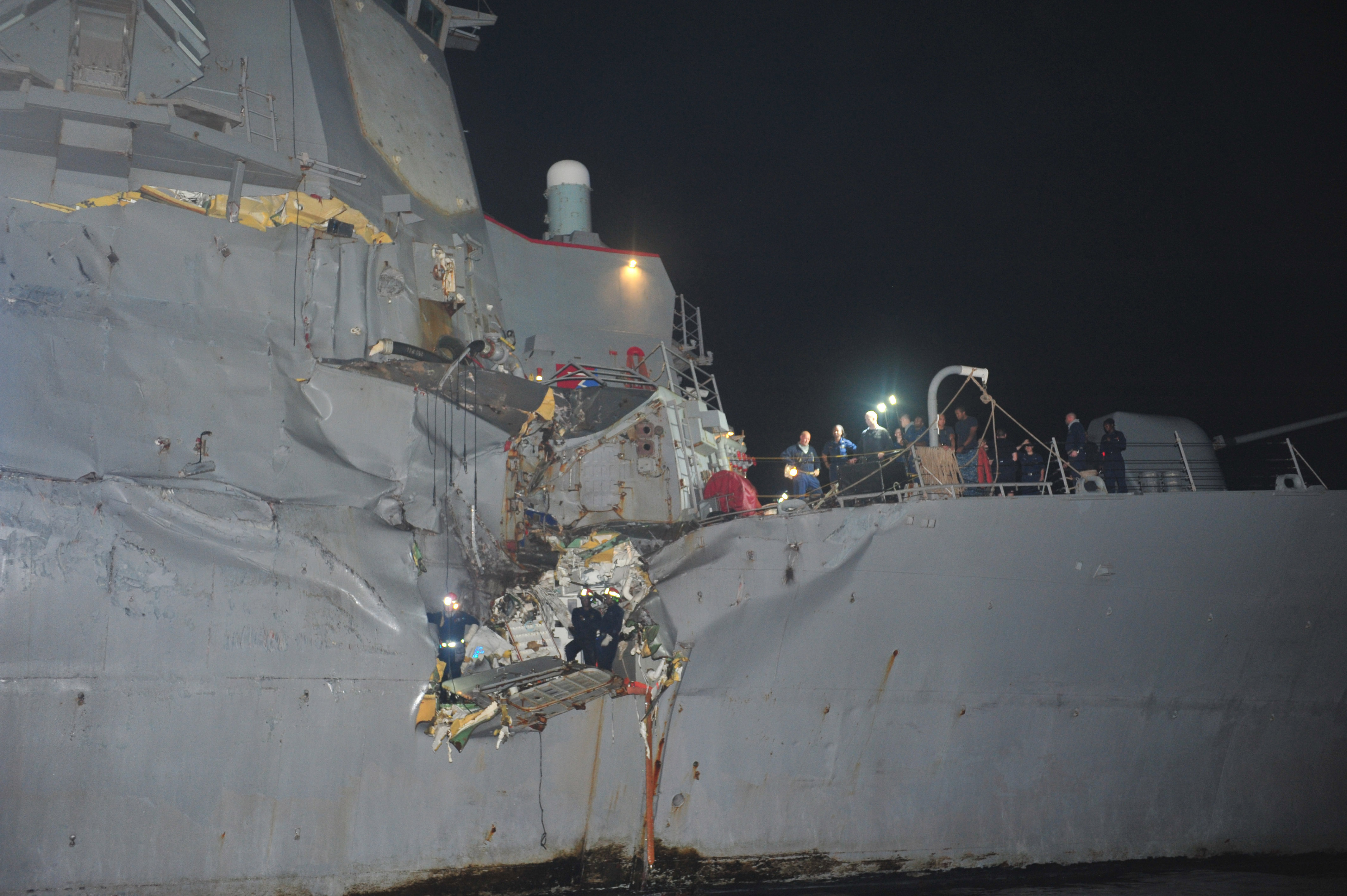
The United States launched retaliatory airstrikes against Iranian targets after Iran's Islamic Revolutionary Guard Corps attacked three commercial oil tankers [1].
These escalations in the Strait of Hormuz threaten global energy markets and increase the risk of a broader regional conflict during a period of high diplomatic tension.
The attacks occurred within a 24-hour window [2]. The first strikes took place Monday night, involving at least two missiles [2]. A third vessel was struck Tuesday morning [2].
All three ships were hit by missiles or projectiles [1, 3]. The incidents took place in Oman's territorial waters off the coast of the Strait of Hormuz, and the Gulf of Oman [3, 4].
U.S. officials said the IRGC resumed these attacks after a period of relative lull [2]. The timing of the strikes coincides with President Trump's attendance at a NATO summit [3].
Iran has used these maritime attacks to pressure the U.S. and its allies [1, 3]. The U.S. response involved targeted strikes intended to deter further aggression against commercial shipping in the region.
While some reports have circulated regarding the status of Iran's leadership, official reports from the CBC and other outlets focus on the immediate shipping attacks and the subsequent U.S. military response [1].
“The United States launched retaliatory airstrikes against Iranian targets”
The resumption of IRGC attacks on commercial shipping indicates a strategic shift by Iran to leverage the Strait of Hormuz as a tool of geopolitical pressure. By timing these strikes to coincide with a NATO summit, Iran is attempting to disrupt Western diplomatic cohesion and signal that the U.S. cannot guarantee the security of global oil transit without significant cost.