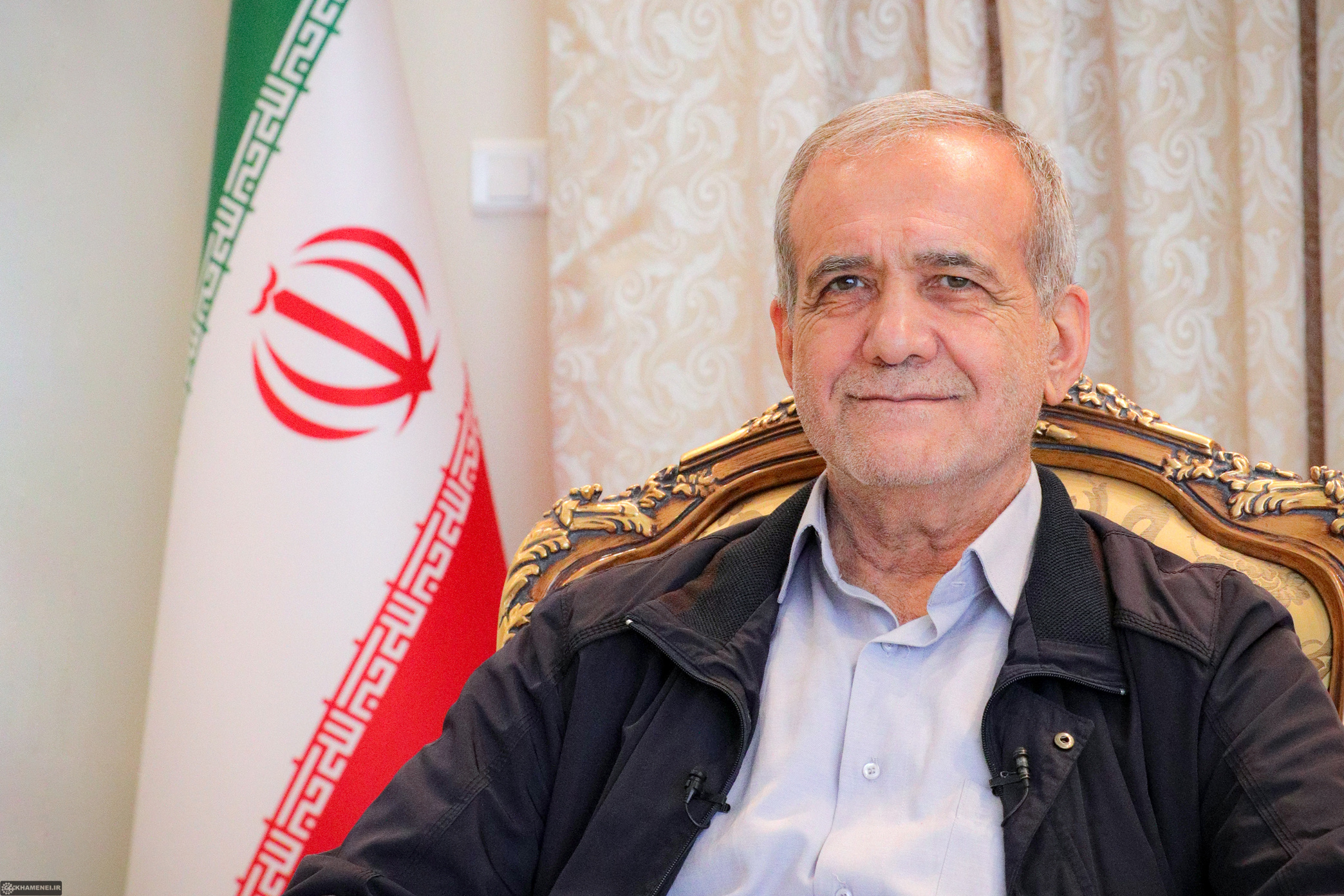
President Donald Trump and Iranian President Masoud Pezeshkian signed a memorandum of understanding on June 18, 2026 [1], to end hostilities between their nations.
The agreement marks a significant diplomatic shift aimed at stabilizing the Middle East by reopening the Strait of Hormuz and addressing Iran's nuclear program. Because the deal involves easing restrictions on Iranian oil exports, it could fundamentally alter global energy markets and regional security dynamics.
The signing took place at the Palace of Versailles in France during the G7 summit [2], with French President Emmanuel Macron present. The document seeks to end the conflict between the U.S. and Iran, though reports vary on whether the agreement specifically targets a war involving Israel as well [3, 4].
Trump said the process leading to the agreement was difficult after weeks of negotiations [5]. "This was not easy," Trump said [6].
Under the terms of the MoU, the two nations have agreed to begin formal negotiations regarding Iran's nuclear program [3]. The deal also prioritizes the reopening of the Strait of Hormuz, a critical chokepoint for global oil shipments, to ensure the flow of commerce [4].
While some sources refer to the agreement as a peace deal, others identify it as the Islamabad Memorandum of Understanding [7, 8]. Despite the difference in naming, the core objectives remain the cessation of fighting, and the restoration of diplomatic channels.
The agreement comes at a time of heightened tension in the region, where the U.S. and its allies have sought to curb Iranian influence and nuclear ambitions. By signing this MoU, both leaders have signaled a preference for a negotiated settlement over continued military or economic escalation [3, 4].
“"This was not easy,"”
This memorandum of understanding represents a fragile attempt to pivot from a policy of maximum pressure to one of diplomatic engagement. By linking the reopening of the Strait of Hormuz and oil export relief to nuclear negotiations, the U.S. is utilizing economic leverage to secure regional stability and non-proliferation goals.


