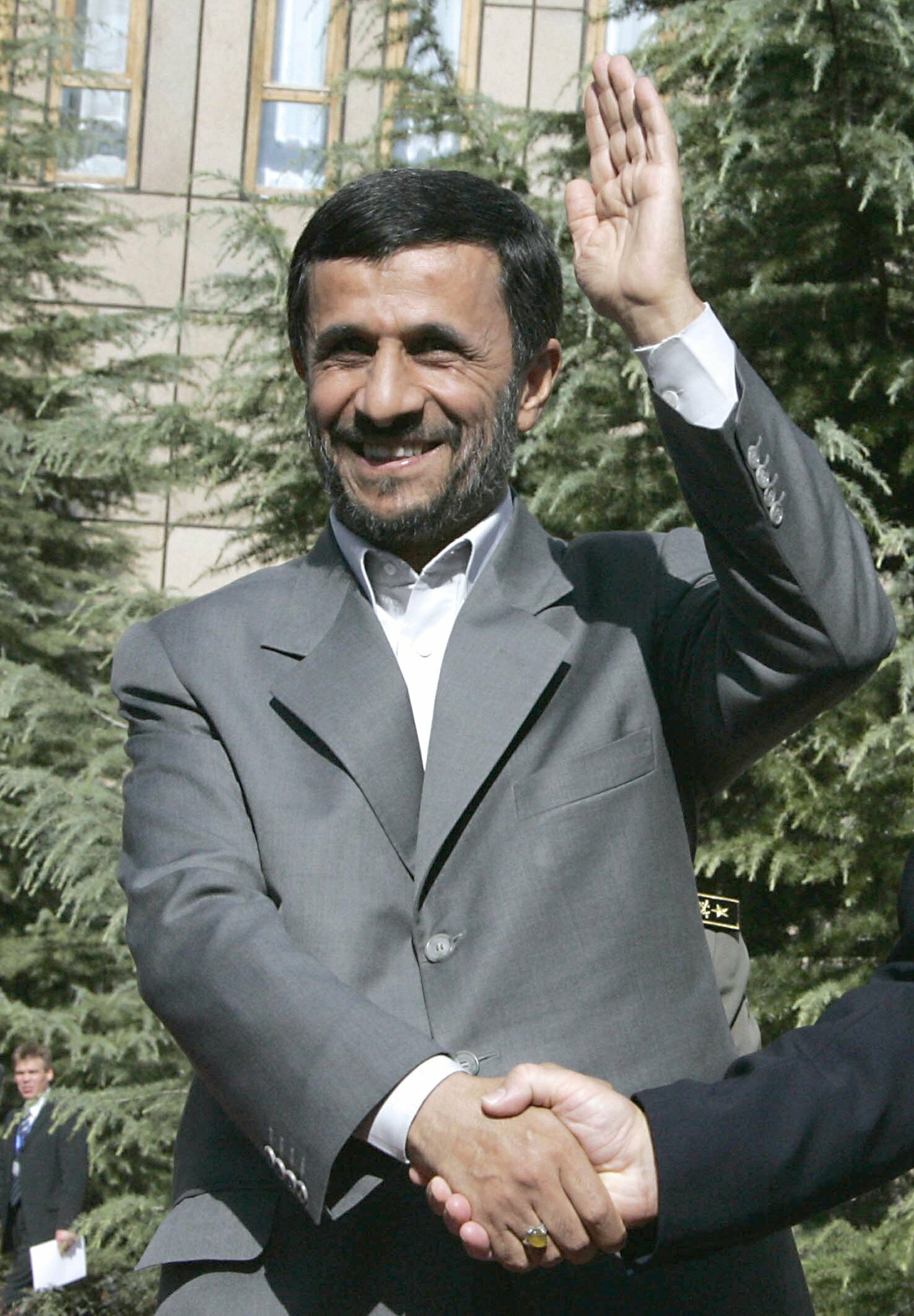
The United States and Israel discussed installing former Iranian President Mahmoud Ahmadinejad as Iran's new leader following the death of Ayatollah Ali Khamenei [1].
This proposal represents a significant attempt by the U.S. and Israeli governments to reshape the political landscape of Iran through direct leadership intervention. Such a move could fundamentally alter the geopolitical balance of the Middle East if implemented.
The plan was detailed in a New York Times report published May 18, 2026 [2]. According to the report, the discussions took place after a joint U.S.-Israeli strike earlier that week killed Khamenei [2]. The late supreme leader was 86 years old [3].
President Donald Trump (R-FL) described the late leader as "one of the most evil people in History" in a post on Truth Social [3]. Trump said a new, more cooperative leadership was necessary for the region [1].
Mark Mazzetti said the U.S. had been working with Israeli officials to identify a successor and that Mahmoud Ahmadinejad emerged as the most viable option [2]. This strategy aligns with previous suggestions that Trump's approach to the region involved a desire for leadership more amenable to U.S. interests [4].
Other reports have not confirmed the specific plan to install Ahmadinejad. Global News reported on the announcement of Khamenei's death but did not mention a successor plan [3]. Similarly, commentary in The Globe and Mail noted that while Trump's remarks hinted at regime change, they did not explicitly name a specific successor [4].
Trump previously mentioned a projected duration of two to three weeks for U.S. involvement in the Iran war [5].
“Mahmoud Ahmadinejad emerged as the most viable option.”
The reported attempt to install a former president suggests a strategy of 'managed regime change' rather than total systemic collapse. By selecting a known political figure like Ahmadinejad, the U.S. and Israel may have hoped to maintain a semblance of domestic legitimacy in Iran while securing a leader more willing to negotiate on nuclear and regional security terms.