U.S. government officials and state lawmakers are increasingly treating unidentified aerial phenomena, or UAPs, as a legitimate subject for legislative study.
This shift represents a move away from treating such sightings as fringe conspiracy theories. By introducing formal legislation and holding Senate discussions, policymakers are attempting to establish a transparent, evidence-based framework for investigating possible non-human intelligent life.
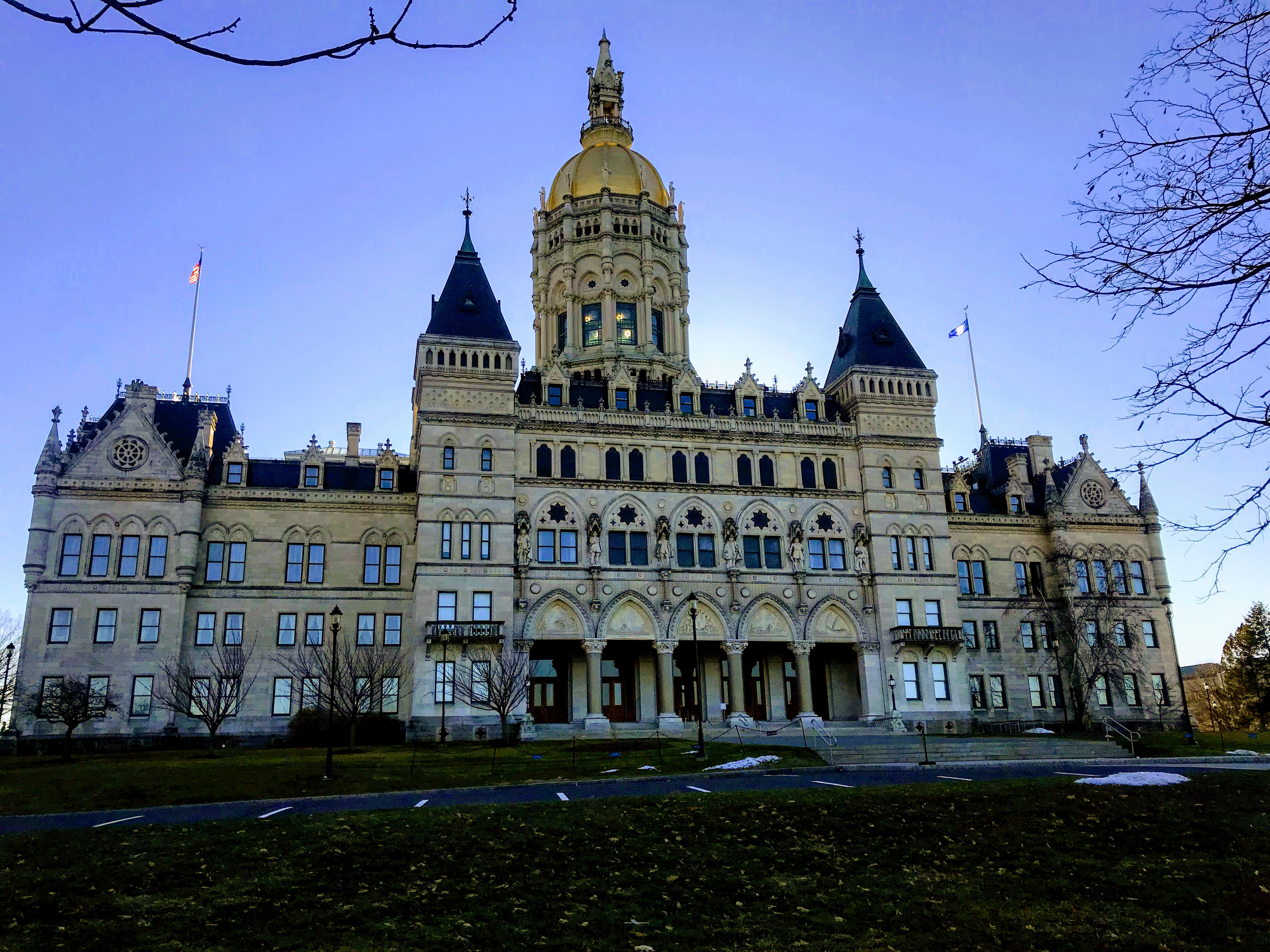
In Connecticut, Rep. Joe Hoxha (R-Bristol) introduced H.B. 5422 [1] in March 2026 to authorize a state-level study of UAPs. Hoxha said the goal is to move beyond "crazy and wacky conspiracy theories" to determine if there is a factual basis for these phenomena [1].
This legislative effort mirrors a broader national conversation regarding government transparency. In a recent discussion on Vice News, host Shane Smith and Dan Farah, director of The Age of Disclosure, explored the implications of long-term secrecy surrounding these events. The conversation highlighted allegations that a cover-up regarding non-human intelligent life has persisted for 80 years [2].
While the U.S. Senate floor has also seen discussions on the topic, the focus remains on the intersection of national security and public disclosure. Proponents of these studies argue that the persistence of declassified reports necessitates a formal government response to ensure public safety, and scientific understanding.
Legislative actions like the Connecticut bill aim to provide a structured approach to data collection. This process seeks to separate anecdotal evidence from verified sightings while maintaining a level of scrutiny that avoids the pitfalls of previous era speculations. The movement suggests that the stigma once attached to UAP research is diminishing within political circles.
“UAPs are shifting from fringe conspiracy theory to a topic of legitimate political and legislative scrutiny.”
The transition of UAP discussions from internet forums to state and federal legislative bodies indicates a significant change in the cultural and political threshold for 'acceptable' scientific inquiry. By codifying the study of UAPs through bills like H.B. 5422, the U.S. government is acknowledging that the lack of transparency may be a greater liability than the potential admission of non-human intelligence.


