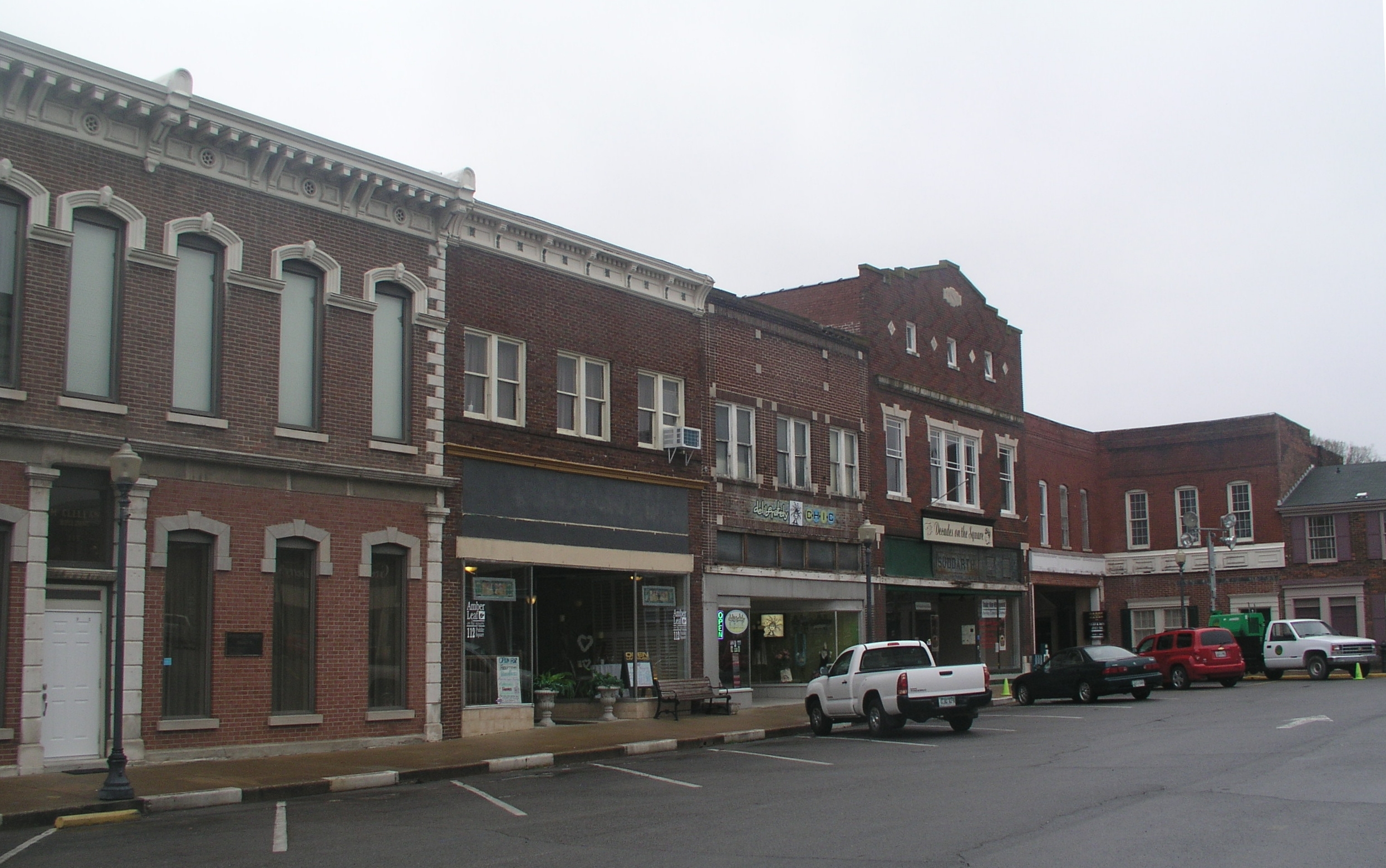
Smaller local arts organizations across the U.S. are facing significant financial pressure and economic struggles [1].
These groups often serve as the primary drivers of community culture in underserved areas. Their instability threatens the availability of public art and cultural programming for residents who lack access to major metropolitan museums or theaters.
The financial strain is affecting organizations in both cities and rural areas [1]. These groups are currently grappling with a combination of reduced funding and rising operational costs [1]. While larger institutions often have diverse endowment funds, smaller community-led groups rely more heavily on precarious grants, and local donations.
Efforts to address these systemic issues are appearing at the local government level. In Grand Rapids, an arts group and local governments launched a regional culture strategy effort in March 2026 [2]. This specific initiative is designed as a one-year effort to shape a sustainable regional culture strategy [2].
Such initiatives aim to create a framework where arts organizations can survive despite broader economic volatility. The focus remains on how to stabilize funding streams while maintaining the independence of the artists and organizers who shape local identity.
Local leaders continue to evaluate how these economic pressures impact the long-term viability of community spaces. Without targeted intervention or new funding models, many of these smaller organizations risk permanent closure, which would leave a void in the social fabric of their respective regions [1].
“Smaller local arts organizations across the U.S. are facing significant financial pressure”
The financial instability of small-scale arts organizations reflects a broader trend of economic vulnerability in the non-profit sector. When community-level cultural hubs fail, it often results in 'cultural deserts,' where the loss of local art spaces correlates with a decline in community engagement and local economic activity.