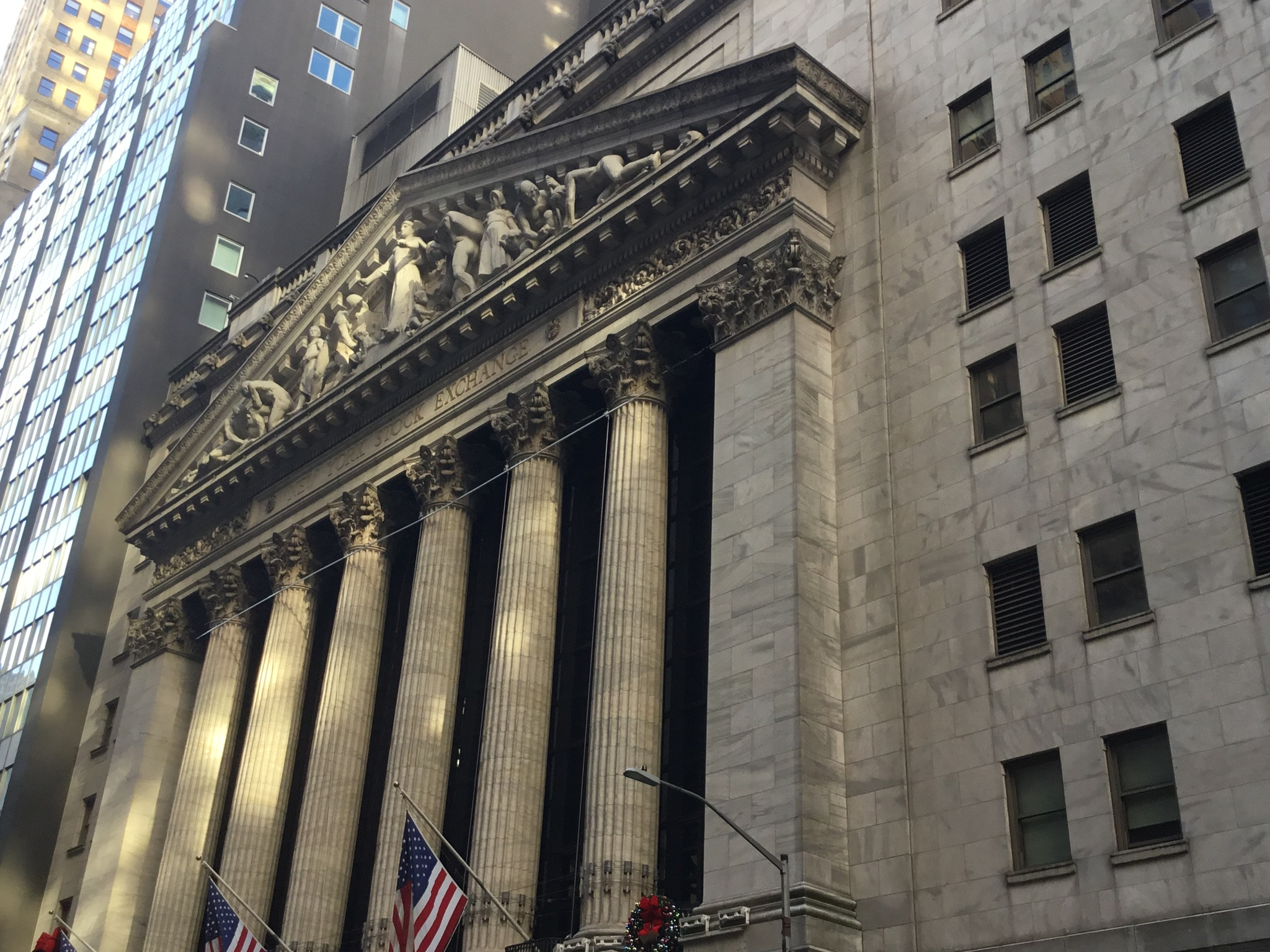
The Dow Jones Industrial Average closed higher while the S&P 500 and Nasdaq Composite finished lower in mixed trading session results [1].
This divergence highlights a shifting sentiment among investors who are rotating out of high-valuation technology stocks and into sectors that benefit from lower energy costs. The split reflects a broader tension between the growth potential of the tech sector and the immediate impact of crude oil price fluctuations on the economy.
Tech stocks faced pressure due to mounting concerns over high valuations [1]. This downward trend was particularly evident in the Nasdaq Composite, which fell 1% at the close [3]. The S&P 500 also retreated, falling 0.26% to close at 7,386 [2].
Conversely, the Dow Jones Industrial Average finished the session higher [1]. This growth was supported by travel-related stocks, which saw gains as crude prices declined [1]. The lower cost of fuel typically reduces operating expenses for airlines and hospitality companies, a factor that helped buoy the blue-chip index.
Market analysts said that while tech shares have dominated recent growth, the current volatility suggests a period of stabilization. The decline in chip stocks contributed to the overall drag on the Nasdaq [3]. However, the strength in the Dow indicates that non-tech sectors remain resilient despite the broader market turbulence.
Trading activity remained focused on the balance between inflation expectations and corporate earnings. The mixed closing bell suggests that investors are weighing the risks of an overpriced tech sector against the benefits of lower energy overheads for traditional industries.
“The Dow Jones Industrial Average closed higher while the S&P 500 and Nasdaq Composite finished lower”
The split in performance between the Dow and the tech-heavy indices indicates a 'sector rotation.' Investors are moving capital away from high-growth, high-valuation technology stocks and toward 'value' stocks in the industrial and travel sectors. This suggests a cautious approach to the current tech bubble and a preference for companies with lower operational costs tied to energy prices.

'%2F%3E%0A%20%20%20%20%3Crect%20width%3D'1600'%20height%3D'900'%20fill%3D'url(%23v)'%2F%3E%0A%20%20%20%20%3Cg%20opacity%3D'0.08'%20fill%3D'%23ffffff'%3E%0A%20%20%20%20%20%20%3Ccircle%20cx%3D'1420'%20cy%3D'180'%20r%3D'220'%2F%3E%0A%20%20%20%20%20%20%3Ccircle%20cx%3D'1500'%20cy%3D'760'%20r%3D'120'%2F%3E%0A%20%20%20%20%3C%2Fg%3E%0A%20%20%20%20%3Cline%20x1%3D'80'%20y1%3D'172'%20x2%3D'220'%20y2%3D'172'%20stroke%3D'%23ffffff'%20stroke-width%3D'3'%20stroke-opacity%3D'0.6'%2F%3E%0A%20%20%20%20%3Ctext%20x%3D'80'%20y%3D'140'%20font-family%3D'Inter%2C%20-apple-system%2C%20Helvetica%2C%20sans-serif'%20font-weight%3D'700'%20font-size%3D'28'%20fill%3D'%23ffffff'%20letter-spacing%3D'6'%3EHANNA%20%C2%B7%20NEWS%3C%2Ftext%3E%0A%20%20%20%20%3Ctext%20x%3D'80'%20y%3D'230'%20font-family%3D'Inter%2C%20-apple-system%2C%20Helvetica%2C%20sans-serif'%20font-weight%3D'600'%20font-size%3D'40'%20fill%3D'%23ffffffb3'%20letter-spacing%3D'4'%3EBUSINESS%3C%2Ftext%3E%0A%20%20%20%20%3Ctext%20x%3D'80'%20y%3D'694'%20font-family%3D'Playfair%20Display%2C%20Georgia%2C%20serif'%20font-weight%3D'800'%20font-size%3D'110'%20fill%3D'%23ffffff'%20letter-spacing%3D'-1'%3EAt%20Least%2014%20Dead%20in%20Lucknow%3C%2Ftext%3E%3Ctext%20x%3D'80'%20y%3D'820'%20font-family%3D'Playfair%20Display%2C%20Georgia%2C%20serif'%20font-weight%3D'800'%20font-size%3D'110'%20fill%3D'%23ffffff'%20letter-spacing%3D'-1'%3ECoaching%20Centre%20Fire%3C%2Ftext%3E%0A%20%20%20%20%3Ctext%20x%3D'80'%20y%3D'870'%20font-family%3D'Inter%2C%20-apple-system%2C%20Helvetica%2C%20sans-serif'%20font-weight%3D'500'%20font-size%3D'22'%20fill%3D'%23ffffff66'%20letter-spacing%3D'2'%3Enews.hanna-ai.com%3C%2Ftext%3E%0A%20%20%3C%2Fsvg%3E)
