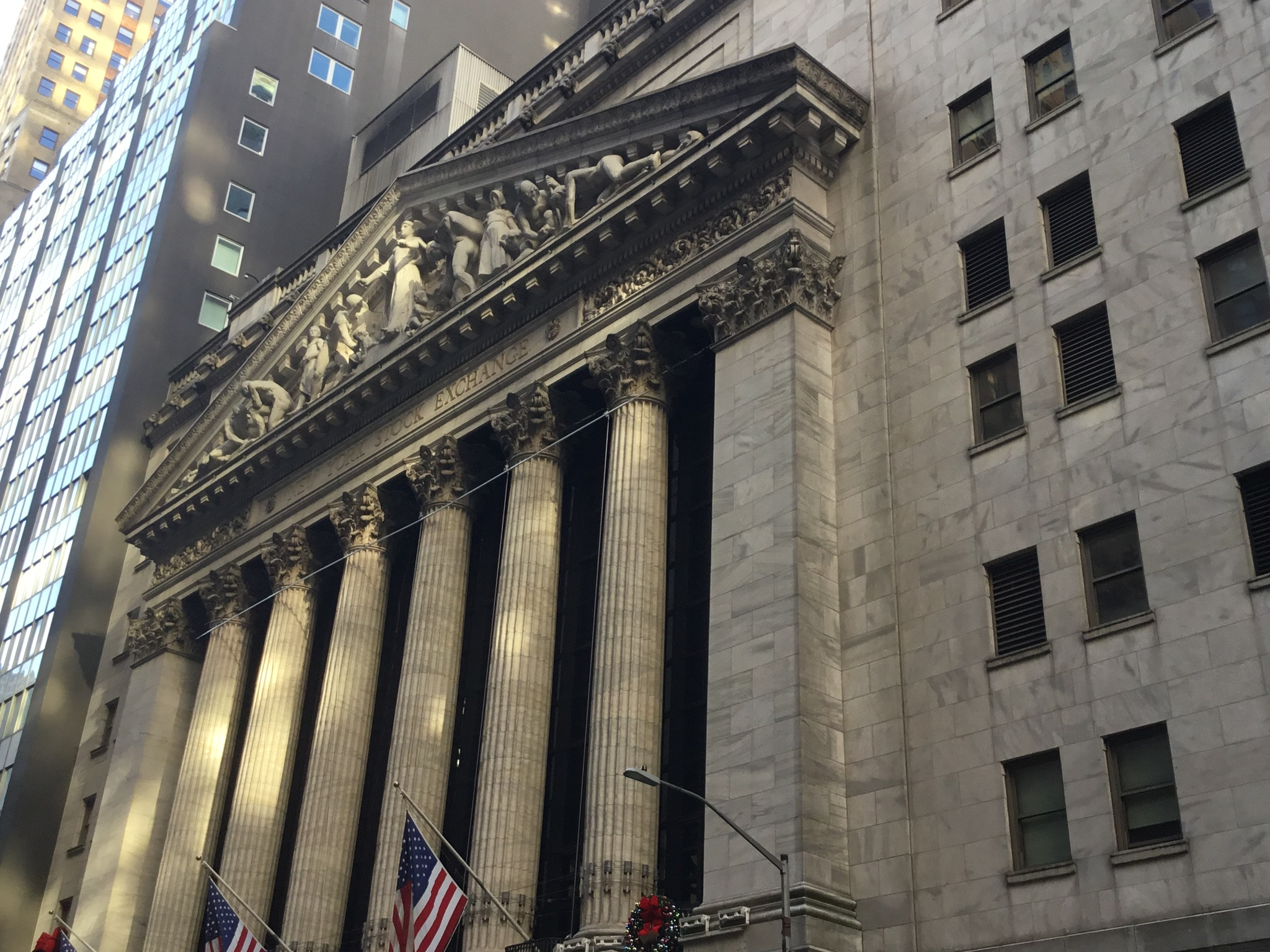
U.S. financial markets opened mixed on Thursday, July 16, 2026, as investors weighed energy costs and consumer spending data [1].
The mixed opening reflects a period of volatility where energy price stability and consumer behavior directly influence broader economic sentiment. Because crude oil and retail performance are primary indicators of inflation and demand, these figures often dictate the direction of major indices.
Crude oil prices remained above $80 per barrel [2]. This price level continues to put pressure on transportation and manufacturing costs, which can impact corporate profit margins across multiple sectors.
At the same time, the latest data on retail sales showed that consumer spending met expectations [2]. This alignment with forecasts suggests that consumer demand remains steady, avoiding a sharp contraction that would typically signal a deeper economic slowdown.
Market participants are monitoring these indicators to determine if the current economic trajectory will lead to further volatility or a period of stabilization. The mixed performance of stocks indicates a lack of consensus among traders regarding the immediate outlook for the U.S. economy [1].
While some sectors may be struggling with higher input costs due to energy prices, the stability in retail sales provides a counterbalance. This tension between cost-push inflation and steady consumer demand is a central theme for the current trading session.
“U.S. financial markets opened mixed on Thursday, July 16, 2026”
The convergence of steady retail sales and elevated oil prices suggests an economy that is resisting a downturn but remains vulnerable to energy-driven inflation. When consumer spending meets expectations despite high energy costs, it indicates a level of resilience in the U.S. household sector, though it may limit the potential for aggressive interest rate cuts by central banks.


