
The U.S. Bureau of Labor Statistics will release the May jobs report this Friday, June 5, 2026, at 8:30 a.m. ET [1].
Market analysts and investors are monitoring these releases to determine if the labor market is stabilizing or deteriorating. The data provides a critical window into the health of the broader economy and the specific performance of the technology sector.
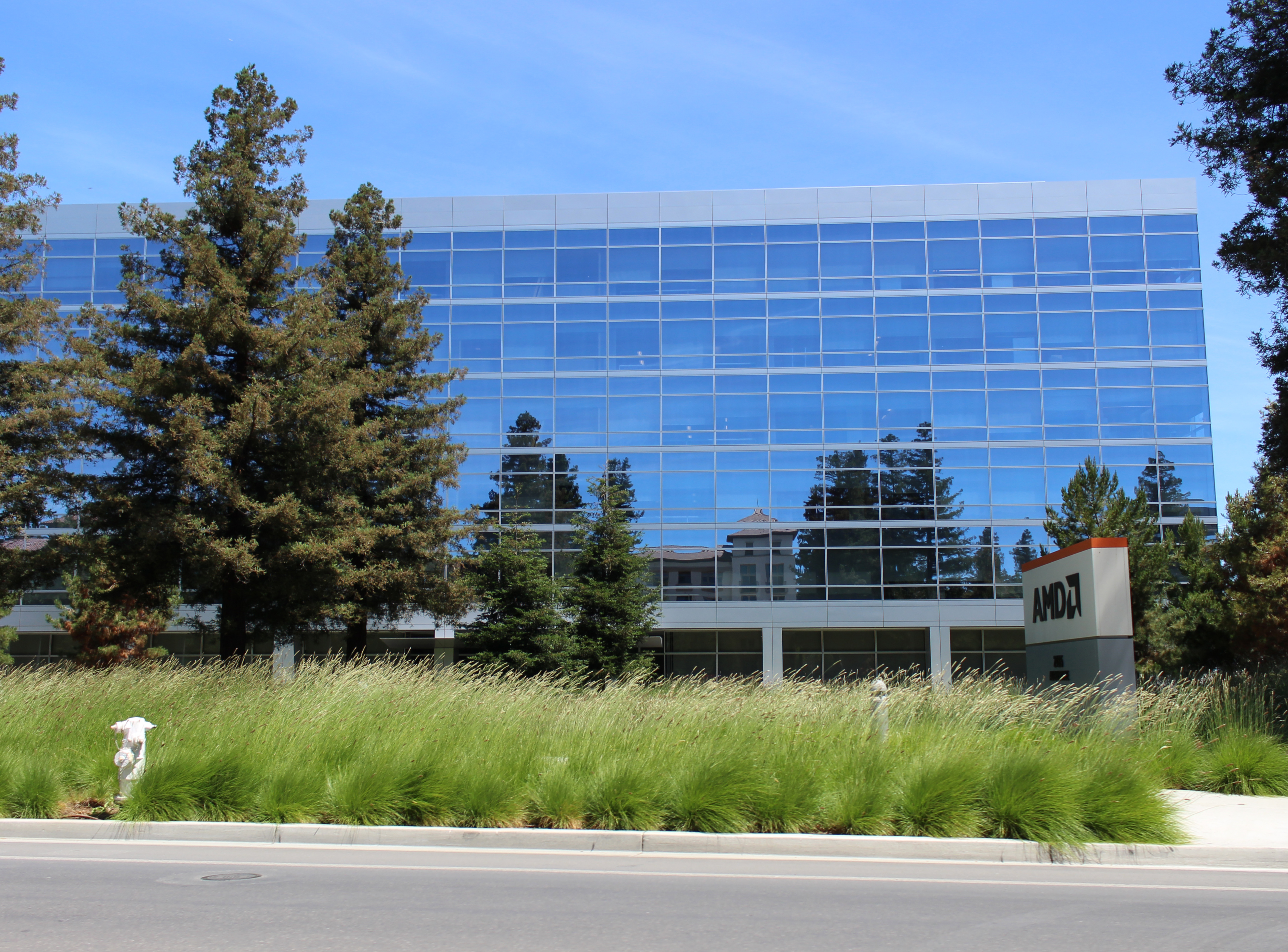
Beyond the employment report, the week features earnings releases from several major corporations. Investors are looking for financial results from technology firms including Advanced Micro Devices and CoreWeave, as well as reports from Pfizer and McDonald's [1, 2]. These corporate updates will offer insight into consumer spending and the continued demand for artificial intelligence infrastructure.
Other key economic indicators are scheduled for release this week. Market participants will track the Purchasing Managers' Index (PMI), the Job Openings and Labor Turnover Survey (JOLTS), and the Federal Reserve’s Beige Book [3, 4]. Together, these metrics help shape expectations for future monetary policy and interest rate adjustments.
The upcoming jobs data follows a period of slowing growth in the labor market. In April, employers added 115,000 jobs, a decrease from the 178,000 jobs added in March [1]. During that same period, the unemployment rate remained flat at 4.3% [1].
The convergence of high-profile tech earnings and federal labor statistics creates a volatile environment for equity markets. Analysts are focused on whether the tech sector can maintain its growth trajectory amidst shifting employment trends, a key factor in determining the sustainability of current market valuations [5, 6].
“The U.S. Bureau of Labor Statistics will release the May jobs report this Friday, June 5, 2026.”
The simultaneous release of labor data and tech earnings allows investors to correlate macroeconomic trends with corporate performance. If the jobs report shows further deceleration while tech earnings miss expectations, it could signal a broader economic cooling. Conversely, strong numbers in both areas would suggest the economy is maintaining resilience despite previous signs of a slowdown.


