
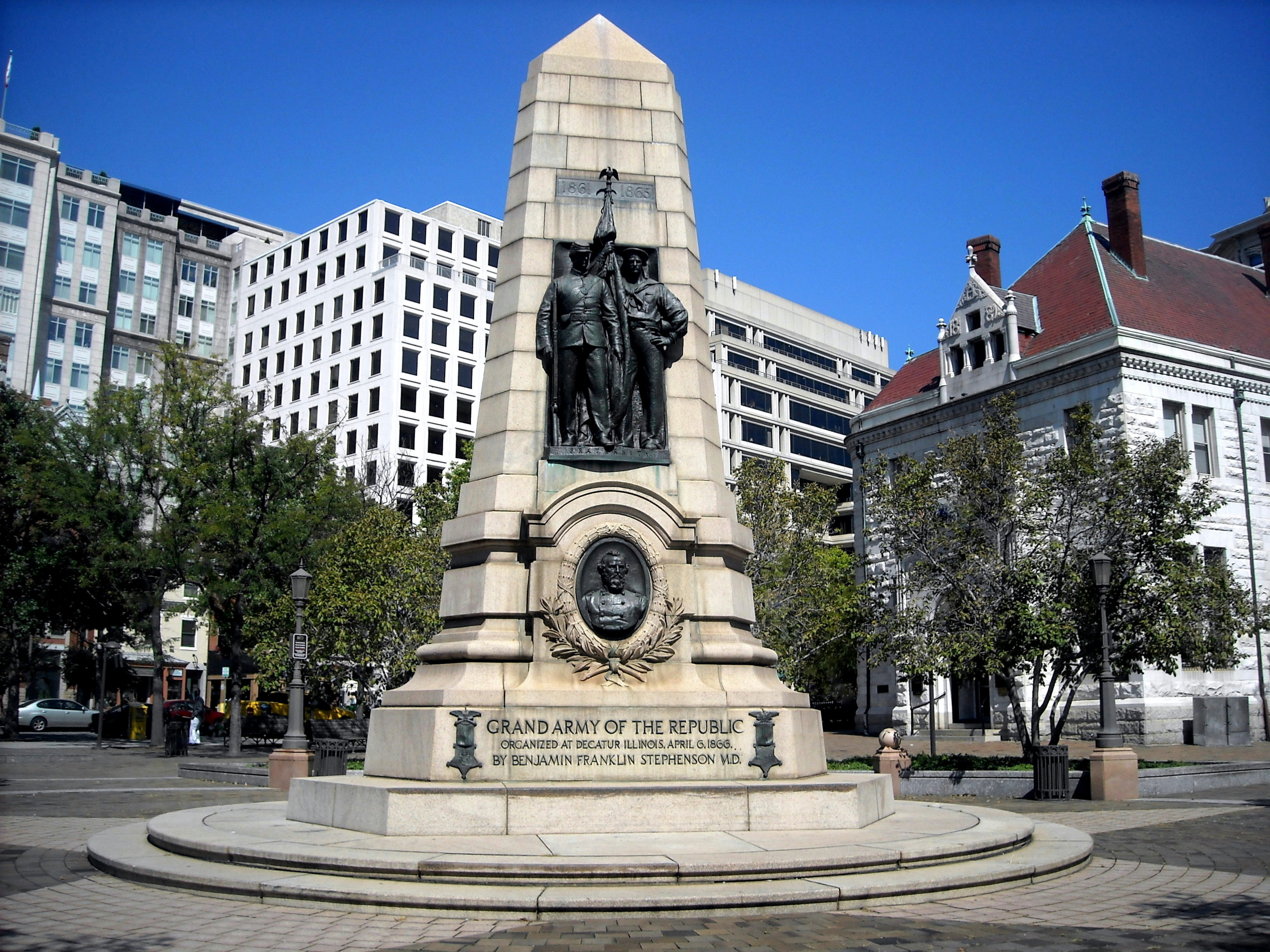
The United States observes Memorial Day today, Monday, May 25, to honor military personnel who died while serving the country [1].
The holiday serves as a national recognition of the ultimate sacrifice made by service members. It distinguishes itself from other military holidays by focusing specifically on those who died in the line of duty rather than those who served.
Memorial Day is observed annually on the last Monday of May [2]. The tradition began following the Civil War as a dedicated time to decorate the graves of soldiers [3]. Over time, the day evolved into a formal federal holiday intended as a solemn period of remembrance [3].
While the day is rooted in mourning, modern observations often vary. Some people treat the date as a solemn day of remembrance [4]. Others use the holiday to mark the unofficial start of summer through family cookouts, or boat trips [4]. This contrast highlights a tension between the holiday's original intent and its contemporary cultural role as a long weekend.
Historians continue to discuss the exact origins of the tradition. Some accounts point to the post-Civil War era as the primary catalyst [3], while other reports suggest debated origins within Mississippi [5]. Despite these differing accounts, the core purpose remains the honor of the U.S. Armed Forces [3].
Federal agencies and many businesses close today to allow citizens to participate in remembrance activities. These activities often include visiting national cemeteries, or attending local parades to acknowledge the cost of military service [3].
“Memorial Day is a federal holiday dedicated to honoring the men and women of the U.S. Armed Forces who died in service.”
The shift in Memorial Day's observance from a strict day of mourning to a commercialized summer kickoff reflects a broader cultural trend in the U.S. where federal holidays often acquire dual identities. While the official purpose remains the honoring of fallen service members, the societal practice has expanded to include leisure and consumer activity, creating a duality in how the day is experienced by the public.


