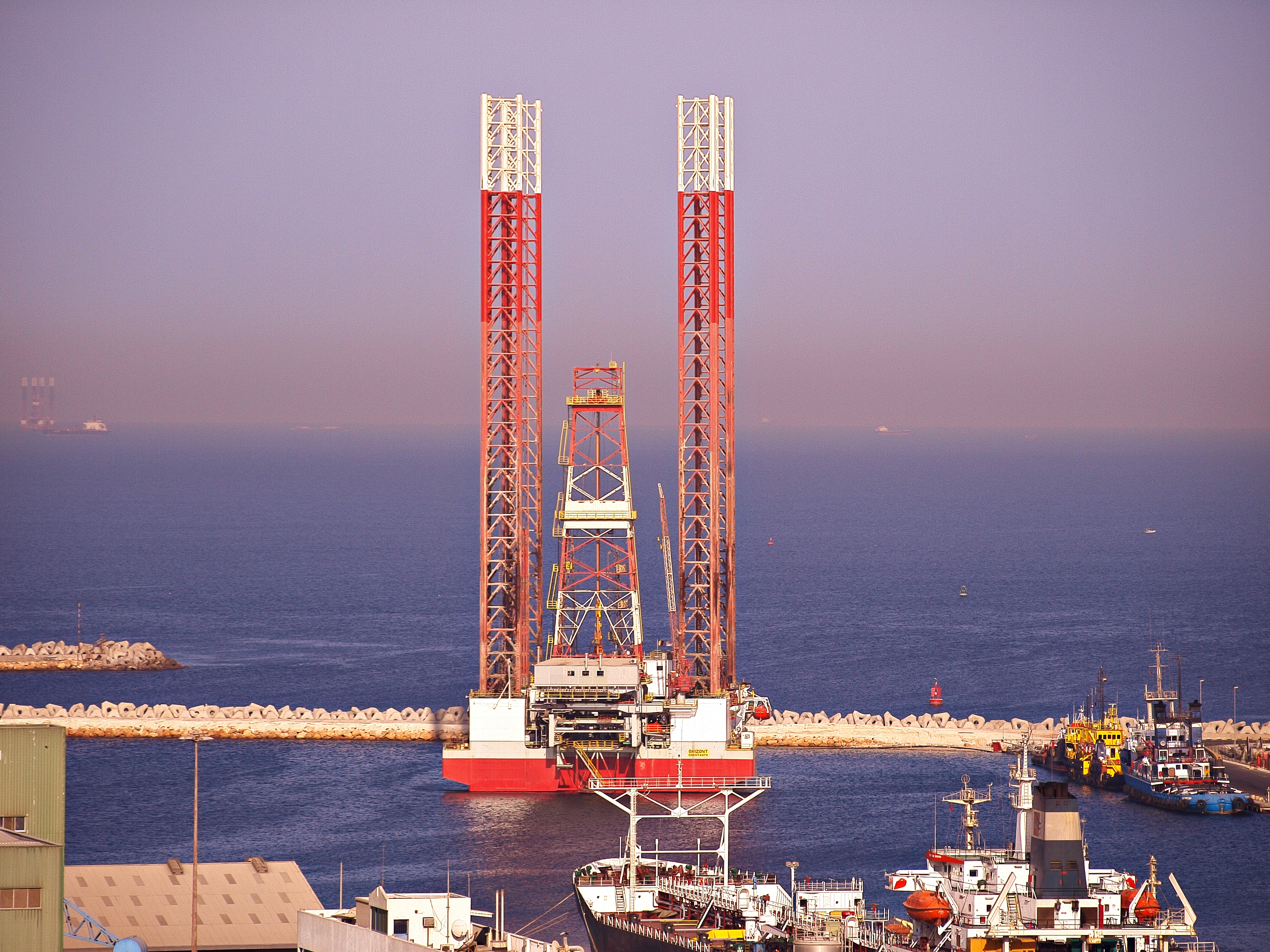
U.S. military leaders issued a final warning to Iran after drone and missile strikes targeted the Fujairah oil terminal in the United Arab Emirates.
The escalation threatens to dismantle regional stability and could lead to a direct military confrontation between the U.S. and Iran. The warning follows unprovoked attacks on critical oil infrastructure, which the U.S. views as a breach of security for its regional partners.
General Dan Caine, Chairman of the Joint Chiefs of Staff, said that U.S. Central Command and the Joint Force remain ready to resume major combat operations against Iran if ordered to do so [1]. Caine said that the United States will not tolerate further aggression against its partners in the region [2].
While some reports attribute the warning to General Caine, other accounts identify Defense Secretary Pete Hegseth as the primary messenger [3]. Hegseth said that the U.S. is prepared to act if diplomacy fails [3].
The timing of the warning is a point of contention among sources. Some reports link the move directly to the strikes on the Fujairah terminal [1], while others suggest the warning is tied to the imminent expiration of a ceasefire between the U.S. and Iran [3].
U.S. officials have not specified the exact nature of the "major combat operations" mentioned by General Caine. However, the readiness of the Joint Force indicates a high state of alert for assets deployed in the Middle East — a posture designed to deter further Iranian strikes on energy infrastructure.
General Caine and Secretary Hegseth have both said that the U.S. remains open to diplomatic resolutions, provided that aggression against UAE infrastructure ceases immediately.
“CENTCOM and the rest of the Joint Force remain ready to resume major combat operations against Iran if ordered to do so.”
The U.S. is utilizing a strategy of 'coercive diplomacy' by pairing a readiness for high-intensity conflict with a final window for diplomatic resolution. By explicitly mentioning 'major combat operations,' the U.S. is signaling that it may move beyond targeted retaliatory strikes to a broader campaign if Iran continues to target energy hubs like Fujairah, which are vital to global oil markets.
'%2F%3E%0A%20%20%20%20%3Crect%20width%3D'1600'%20height%3D'900'%20fill%3D'url(%23v)'%2F%3E%0A%20%20%20%20%3Cg%20opacity%3D'0.08'%20fill%3D'%23ffffff'%3E%0A%20%20%20%20%20%20%3Ccircle%20cx%3D'1420'%20cy%3D'180'%20r%3D'220'%2F%3E%0A%20%20%20%20%20%20%3Ccircle%20cx%3D'1500'%20cy%3D'760'%20r%3D'120'%2F%3E%0A%20%20%20%20%3C%2Fg%3E%0A%20%20%20%20%3Cline%20x1%3D'80'%20y1%3D'172'%20x2%3D'220'%20y2%3D'172'%20stroke%3D'%23ffffff'%20stroke-width%3D'3'%20stroke-opacity%3D'0.6'%2F%3E%0A%20%20%20%20%3Ctext%20x%3D'80'%20y%3D'140'%20font-family%3D'Inter%2C%20-apple-system%2C%20Helvetica%2C%20sans-serif'%20font-weight%3D'700'%20font-size%3D'28'%20fill%3D'%23ffffff'%20letter-spacing%3D'6'%3EHANNA%20%C2%B7%20NEWS%3C%2Ftext%3E%0A%20%20%20%20%3Ctext%20x%3D'80'%20y%3D'230'%20font-family%3D'Inter%2C%20-apple-system%2C%20Helvetica%2C%20sans-serif'%20font-weight%3D'600'%20font-size%3D'40'%20fill%3D'%23ffffffb3'%20letter-spacing%3D'4'%3EBUSINESS%3C%2Ftext%3E%0A%20%20%20%20%3Ctext%20x%3D'80'%20y%3D'622'%20font-family%3D'Playfair%20Display%2C%20Georgia%2C%20serif'%20font-weight%3D'800'%20font-size%3D'86'%20fill%3D'%23ffffff'%20letter-spacing%3D'-1'%3EChild%20killed%20after%20tree%3C%2Ftext%3E%3Ctext%20x%3D'80'%20y%3D'721'%20font-family%3D'Playfair%20Display%2C%20Georgia%2C%20serif'%20font-weight%3D'800'%20font-size%3D'86'%20fill%3D'%23ffffff'%20letter-spacing%3D'-1'%3Efalls%20on%20school%20bus%20in%3C%2Ftext%3E%3Ctext%20x%3D'80'%20y%3D'820'%20font-family%3D'Playfair%20Display%2C%20Georgia%2C%20serif'%20font-weight%3D'800'%20font-size%3D'86'%20fill%3D'%23ffffff'%20letter-spacing%3D'-1'%3EMumbai%3C%2Ftext%3E%0A%20%20%20%20%3Ctext%20x%3D'80'%20y%3D'870'%20font-family%3D'Inter%2C%20-apple-system%2C%20Helvetica%2C%20sans-serif'%20font-weight%3D'500'%20font-size%3D'22'%20fill%3D'%23ffffff66'%20letter-spacing%3D'2'%3Enews.hanna-ai.com%3C%2Ftext%3E%0A%20%20%3C%2Fsvg%3E)

