
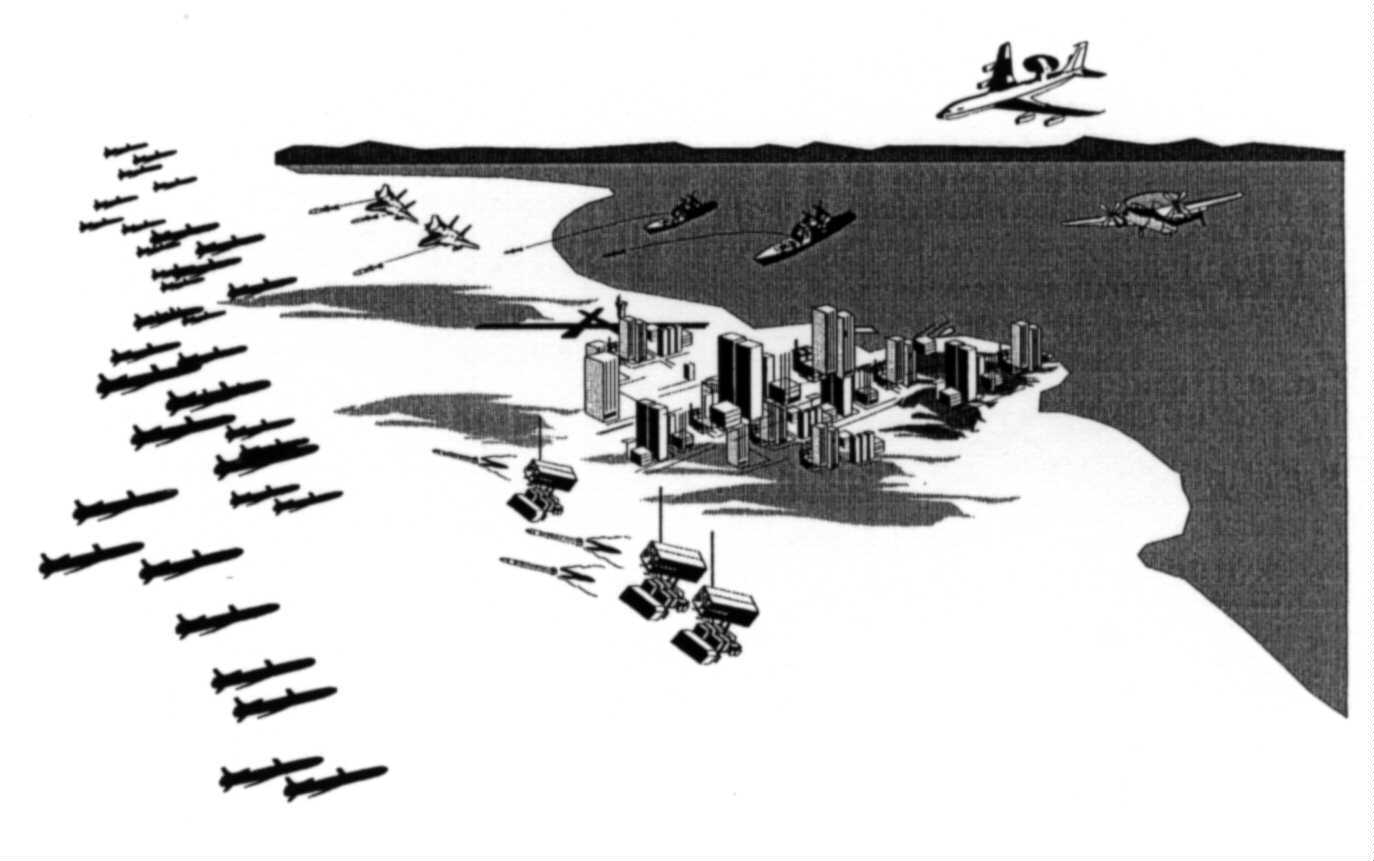
The U.S. military has consumed thousands of missiles since the Iran war began on Feb. 28, 2026 [1], [2], [3].
This depletion of advanced weaponry threatens the ability of the U.S. to maintain a deterrent posture in the Pacific. As the military burns through high-end munitions to support air-defense operations and strike missions, officials face a growing gap in readiness for a potential confrontation with China over Taiwan.
Reports indicate the military has used approximately 1,100 long-range stealth cruise missiles [1]. These specific assets are critical for penetrating contested airspace, and their rapid use has nearly exhausted existing inventories [2]. This strain extends to advanced missile-defense systems, which have been heavily utilized while the U.S. supported Israel's air-defense operations [3].
Mark Cancian, a retired colonel and senior advisor at the Center for Strategic and International Studies, said the risk of these dwindling reserves is highlighted [1]. The situation creates a contradiction in U.S. strategic signaling. While the military consumes its stockpiles in the Middle East, Congress has approved $14 billion [3] in weapons sales to Taiwan.
Some observers said these approved sales indicate that significant missile capacity remains available [3]. However, other reports suggest the high expenditure rate in the Iran war may put certain arms sales on hold to preserve domestic reserves [3]. This tension persists despite a massive annual U.S. military budget of $1 trillion [2].
The current pace of munitions consumption forces a choice between sustaining the current conflict in Iran and ensuring the Navy and Air Force are equipped for a high-intensity theater in the Pacific. The depletion of stealth assets is particularly concerning because these systems require significant lead times to manufacture, and replace.
“The U.S. military has consumed thousands of missiles since the Iran war began.”
The rapid consumption of precision-guided munitions in the Middle East reveals a critical vulnerability in the U.S. defense industrial base. If the U.S. cannot replenish stealth cruise missiles and air-defense interceptors faster than they are spent, its ability to project power in the Pacific is diminished, potentially altering the strategic calculus for China regarding Taiwan.


