
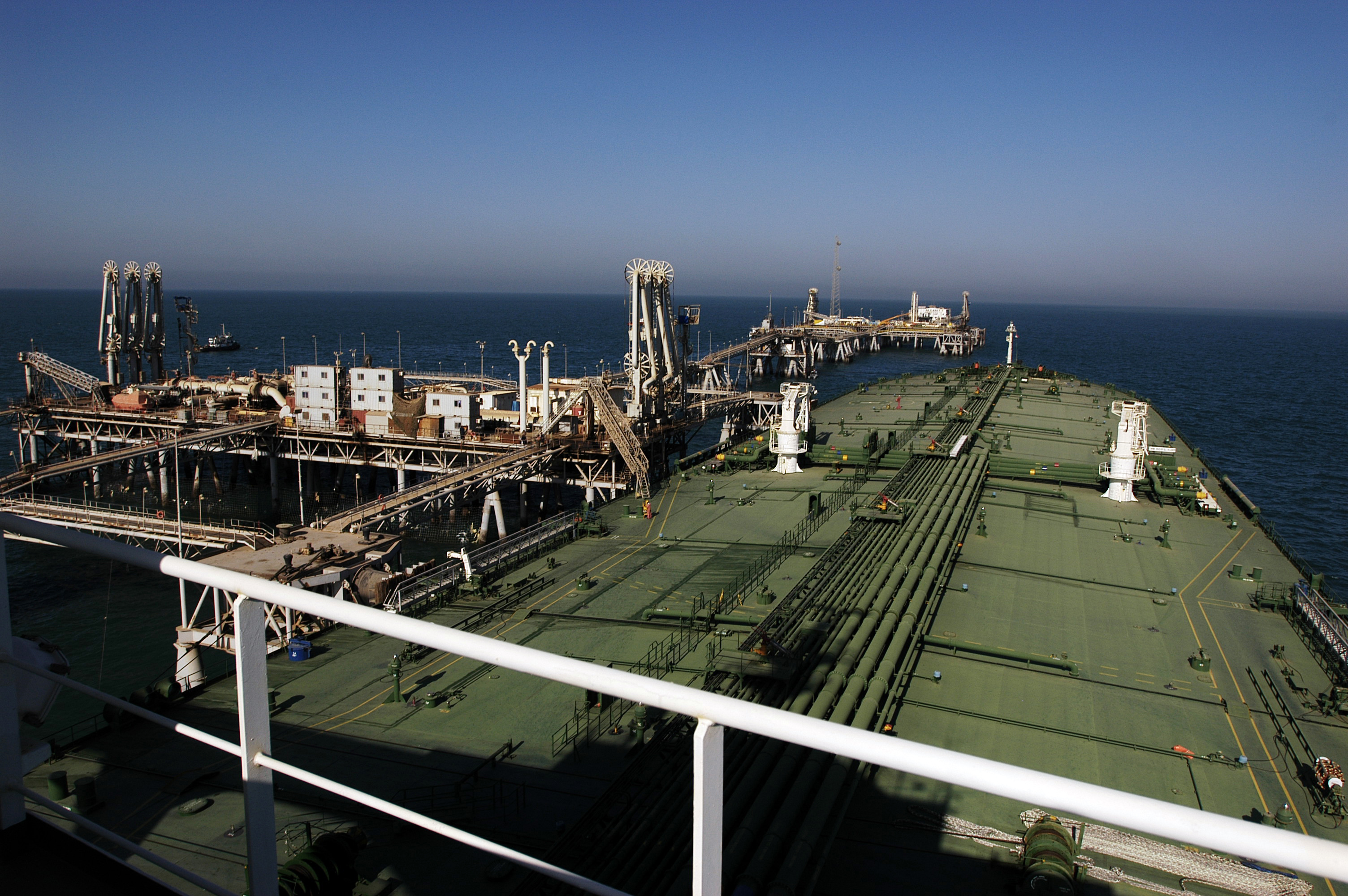
The U.S. military fired a Hellfire missile [1] at an oil tanker sailing toward an Iranian port on Tuesday, June 2, 2026 [2].
The strike is part of a broader U.S. blockade designed to pressure Tehran into negotiating a peace agreement based on the terms of President Trump [5, 6]. This escalation in the Persian Gulf signals a tightening of maritime restrictions intended to isolate the Iranian government economically and diplomatically.
U.S. Central Command confirmed the engagement took place in the Persian Gulf [3, 4]. The targeted vessel was flagged to Botswana [11], according to military reports. The missile strike targeted the ship's engine room [12], disabling the vessel's ability to continue its transit to Iran.
A U.S. Central Command spokesperson said the attack occurred after the crew "ignored repeated warnings" [7]. The military did not specify the nature of the warnings or the exact number of communications sent to the crew before the missile was launched.
The use of a Hellfire missile [1]—typically used for precision strikes against vehicles or small boats—marks a direct kinetic action against a commercial vessel. The operation aligns with the current administration's strategy to utilize maximum pressure through naval blockades to achieve specific diplomatic concessions from Iran [5, 6].
Neither the crew of the Botswana-flagged tanker nor the Iranian government has issued a formal statement regarding the damage or any potential casualties resulting from the hit to the engine room [12].
“The vessel's engine room was hit after the crew "ignored repeated warnings".”
This incident demonstrates a shift from passive surveillance to active kinetic interception of commercial shipping to enforce a blockade. By targeting the engine room of a third-party flagged vessel, the U.S. is signaling that it will physically disable ships regardless of their national registration if they attempt to breach the blockade to reach Iranian ports.


