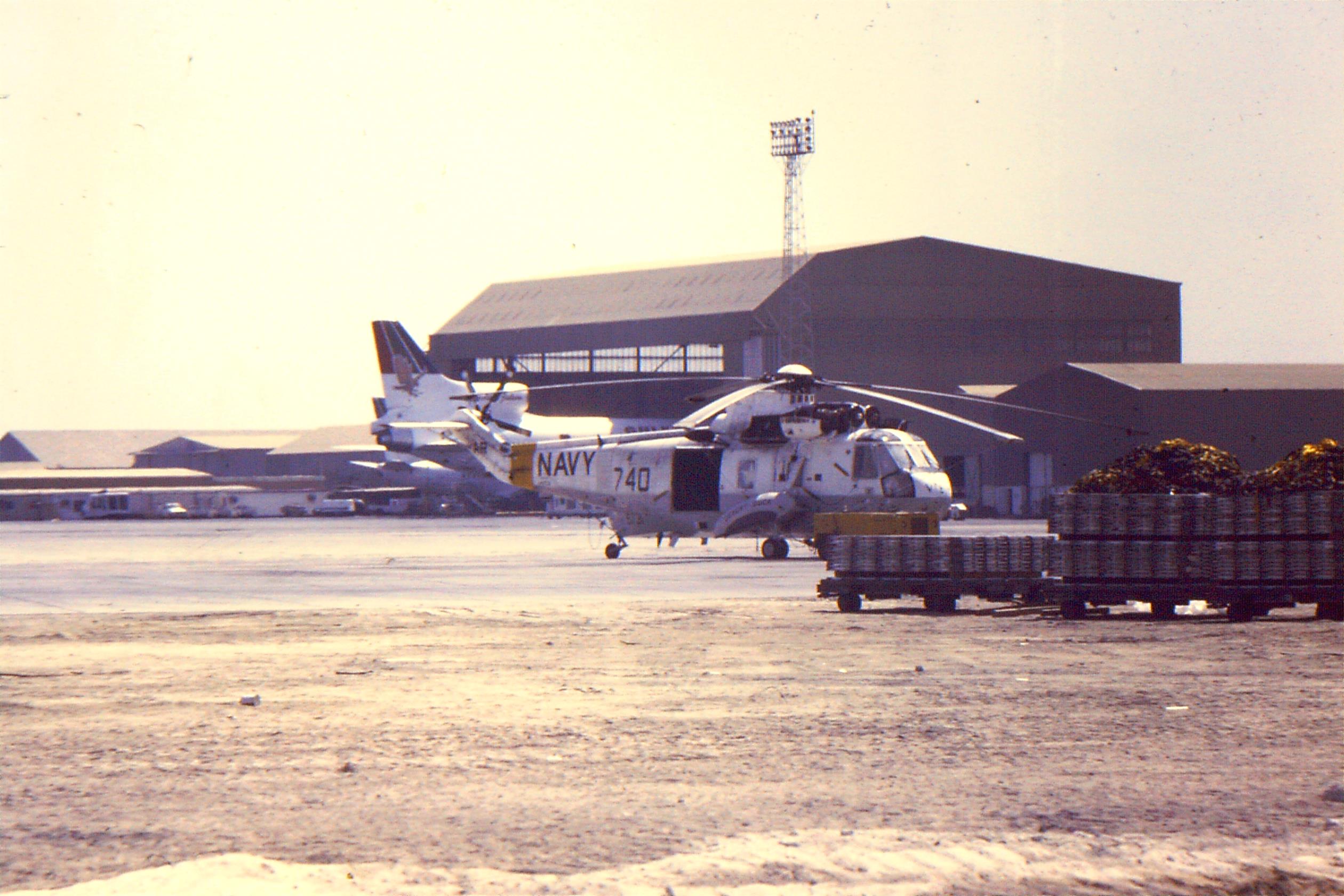
President Donald Trump announced a short-term suspension of the U.S. Navy’s ship-assistance operation in the Strait of Hormuz on May 5, 2026 [1].
The move signals a potential diplomatic breakthrough in one of the world's most volatile maritime corridors. The Strait of Hormuz serves as a strategic waterway between Iran and the United Arab Emirates, and any shift in U.S. military posture there directly impacts global energy security, and regional stability.
The operation, known as Project Freedom, provided assistance to ships navigating the strait. Trump said the decision to pause the mission comes as negotiations with Iran have made "large progress" toward a complete and final cease-fire agreement [1].
Trump said he wants to determine whether a final agreement can be reached [3]. The administration is using the suspension as a gesture of goodwill or a tactical pause to facilitate these diplomatic ends.
Secretary of State Marco Rubio addressed the strategic nature of the U.S. position. Rubio said the measures taken by the U.S. are defensive [2].
The suspension remains short-term, allowing the U.S. Navy to resume operations if negotiations fail. The timing of the announcement on May 5 [1] suggests an urgency to finalize terms before regional tensions can escalate again.
U.S. officials have not specified the exact duration of the pause or the specific terms of the cease-fire currently under discussion. However, the shift from active naval assistance to a diplomatic pause marks a significant change in the administration's approach to Iranian maritime tensions.
“"large progress" toward a complete and final cease-fire agreement”
The suspension of Project Freedom represents a calculated risk by the Trump administration, trading a visible military deterrent for diplomatic leverage. By pausing naval assistance in the Strait of Hormuz, the U.S. is testing Iran's commitment to a cease-fire agreement. If successful, this could reduce the risk of accidental naval skirmishes; however, it also leaves commercial shipping with less immediate U.S. protection during the negotiation window.
'%2F%3E%0A%20%20%20%20%3Crect%20width%3D'1600'%20height%3D'900'%20fill%3D'url(%23v)'%2F%3E%0A%20%20%20%20%3Cg%20opacity%3D'0.08'%20fill%3D'%23ffffff'%3E%0A%20%20%20%20%20%20%3Ccircle%20cx%3D'1420'%20cy%3D'180'%20r%3D'220'%2F%3E%0A%20%20%20%20%20%20%3Ccircle%20cx%3D'1500'%20cy%3D'760'%20r%3D'120'%2F%3E%0A%20%20%20%20%3C%2Fg%3E%0A%20%20%20%20%3Cline%20x1%3D'80'%20y1%3D'172'%20x2%3D'220'%20y2%3D'172'%20stroke%3D'%23ffffff'%20stroke-width%3D'3'%20stroke-opacity%3D'0.6'%2F%3E%0A%20%20%20%20%3Ctext%20x%3D'80'%20y%3D'140'%20font-family%3D'Inter%2C%20-apple-system%2C%20Helvetica%2C%20sans-serif'%20font-weight%3D'700'%20font-size%3D'28'%20fill%3D'%23ffffff'%20letter-spacing%3D'6'%3EHANNA%20%C2%B7%20NEWS%3C%2Ftext%3E%0A%20%20%20%20%3Ctext%20x%3D'80'%20y%3D'230'%20font-family%3D'Inter%2C%20-apple-system%2C%20Helvetica%2C%20sans-serif'%20font-weight%3D'600'%20font-size%3D'40'%20fill%3D'%23ffffffb3'%20letter-spacing%3D'4'%3EBUSINESS%3C%2Ftext%3E%0A%20%20%20%20%3Ctext%20x%3D'80'%20y%3D'622'%20font-family%3D'Playfair%20Display%2C%20Georgia%2C%20serif'%20font-weight%3D'800'%20font-size%3D'86'%20fill%3D'%23ffffff'%20letter-spacing%3D'-1'%3EChild%20killed%20after%20tree%3C%2Ftext%3E%3Ctext%20x%3D'80'%20y%3D'721'%20font-family%3D'Playfair%20Display%2C%20Georgia%2C%20serif'%20font-weight%3D'800'%20font-size%3D'86'%20fill%3D'%23ffffff'%20letter-spacing%3D'-1'%3Efalls%20on%20school%20bus%20in%3C%2Ftext%3E%3Ctext%20x%3D'80'%20y%3D'820'%20font-family%3D'Playfair%20Display%2C%20Georgia%2C%20serif'%20font-weight%3D'800'%20font-size%3D'86'%20fill%3D'%23ffffff'%20letter-spacing%3D'-1'%3EMumbai%3C%2Ftext%3E%0A%20%20%20%20%3Ctext%20x%3D'80'%20y%3D'870'%20font-family%3D'Inter%2C%20-apple-system%2C%20Helvetica%2C%20sans-serif'%20font-weight%3D'500'%20font-size%3D'22'%20fill%3D'%23ffffff66'%20letter-spacing%3D'2'%3Enews.hanna-ai.com%3C%2Ftext%3E%0A%20%20%3C%2Fsvg%3E)

