
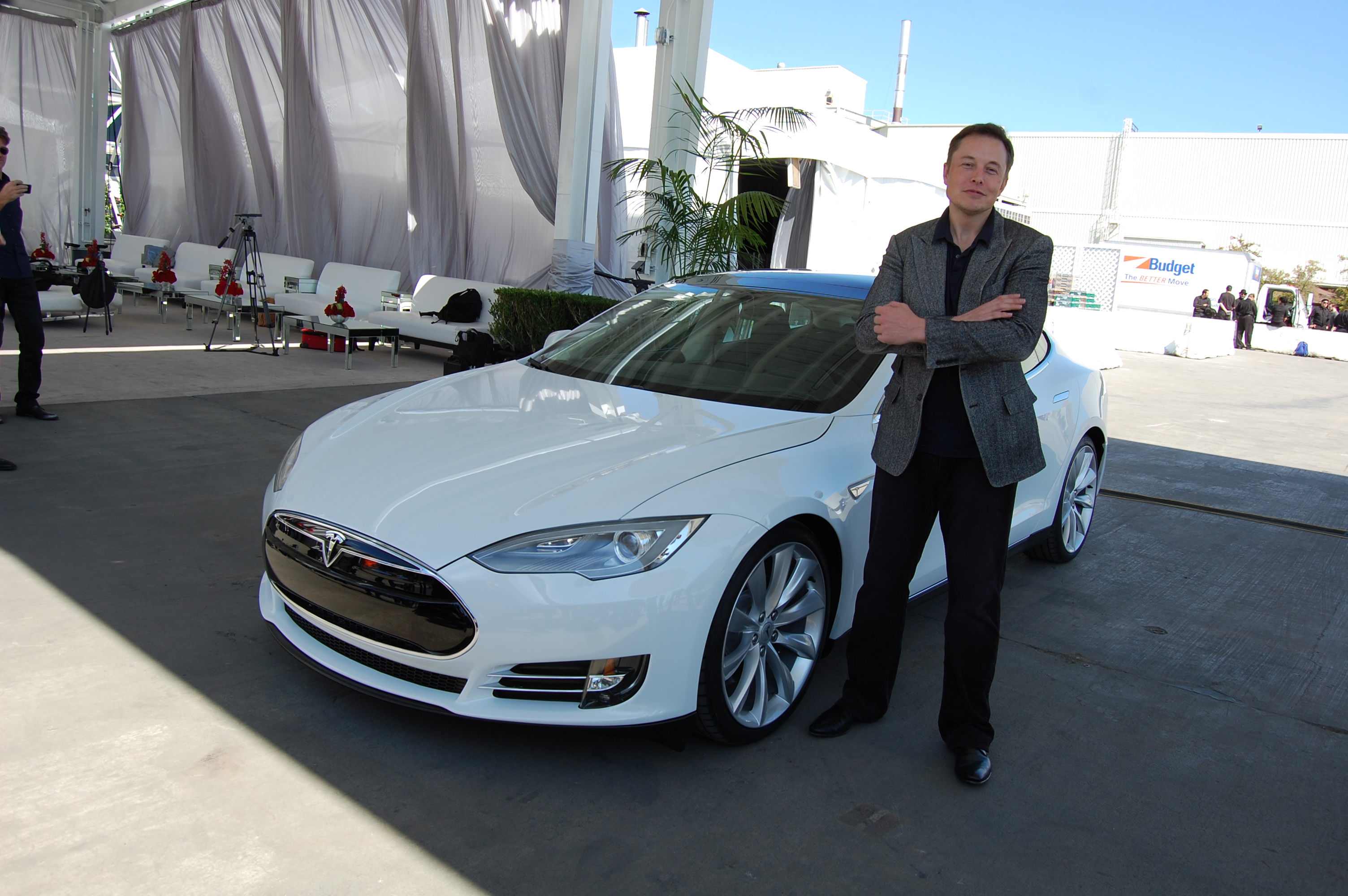
Approximately one million prospective new-car buyers in the United States have stopped purchasing vehicles [1].
This shift indicates a significant cooling of the automotive market that could force major manufacturers to adjust production and pricing strategies. The decline in demand threatens the growth targets of industry giants, including GM, Ford, and Toyota.
Market analysts said U.S. new-car sales are expected to either stagnate or shrink throughout 2026 [1]. This downturn follows a period of volatility where supply chain issues previously limited availability, but current trends suggest a lack of consumer appetite rather than a lack of inventory.
Several economic factors have contributed to the exodus of these buyers. High vehicle prices have pushed many consumers out of the market, while lingering economic uncertainty makes large financial commitments less attractive [1].
The transition to electric vehicles has also faced a hurdle. The expiration of the $7,500 EV tax credit has removed a primary incentive for buyers to switch from internal combustion engines to electric models [1]. Without this subsidy, the price gap between traditional vehicles and EVs remains a barrier for the average driver.
Automakers are now facing a landscape where the traditional replacement cycle has been disrupted. Many drivers are choosing to maintain older vehicles longer than usual to avoid current market rates, a trend that complicates long-term revenue forecasts for the industry.
“Approximately one million prospective new-car buyers in the United States have stopped purchasing vehicles”
The departure of one million buyers signals a potential correction in the automotive industry after years of aggressive price hikes. As the $7,500 federal incentive for electric vehicles vanishes, the industry may see a temporary resurgence in hybrid or gas-powered sales, or a broader decline in overall volume if manufacturers cannot lower MSRPs to match consumer purchasing power.


