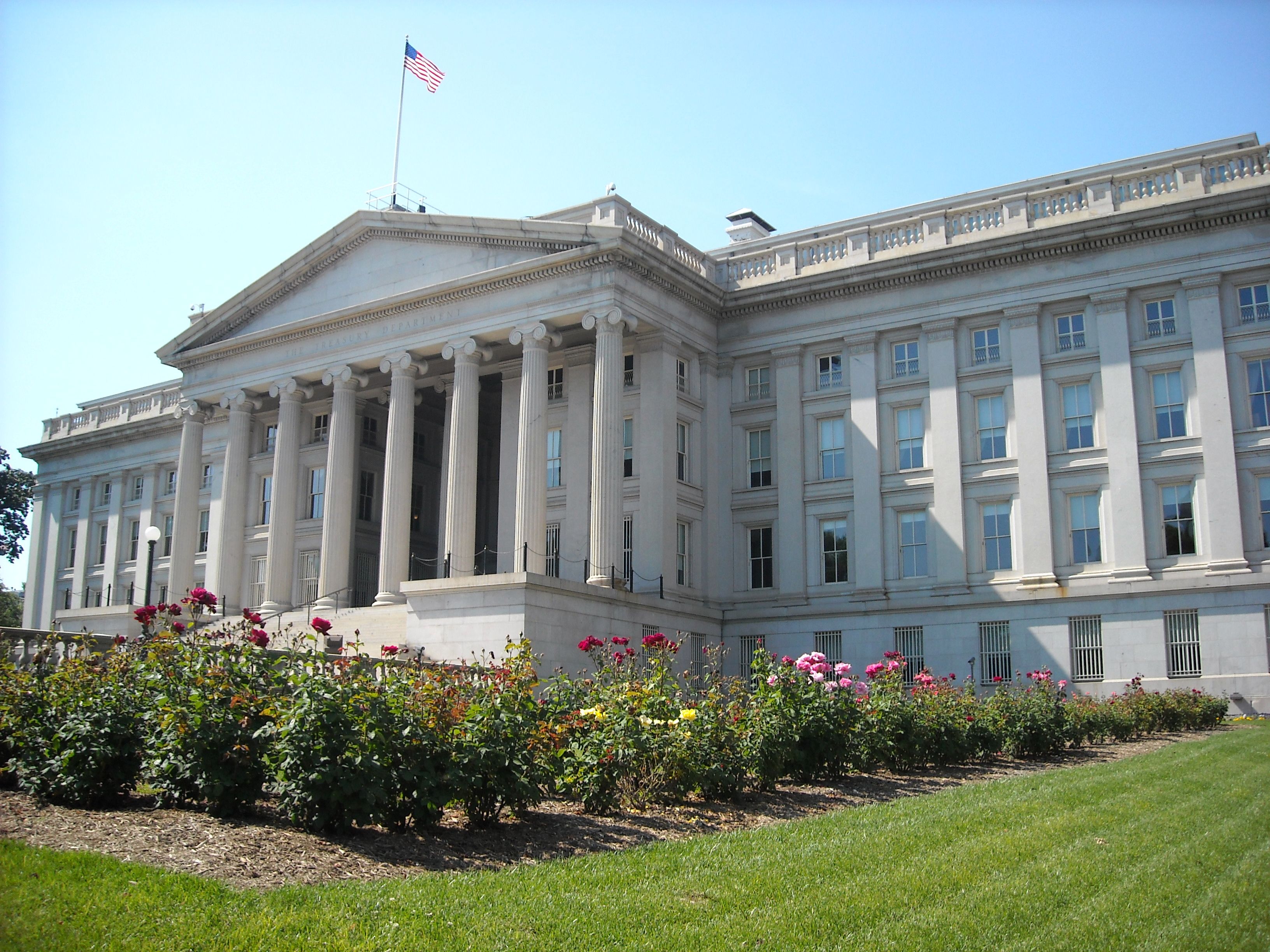
U.S. Treasury Secretary Scott Bessent announced Monday the launch of "Operation Economic Outcast," a sanctions campaign designed to isolate Iran [1, 2].
The initiative represents a significant escalation in economic warfare. By targeting the core pillars of the Iranian economy, the U.S. aims to deplete the financial resources the regime uses to fund its regional activities and maintain domestic control [1, 3].
Operation Economic Outcast focuses on four primary sectors: oil, shipping, technology, and finance [1, 3]. The Treasury Department intends to shut down the specific channels that allow Iran to bypass existing restrictions and move capital across borders [1, 3].
Bessent said, "We will tighten the noose around Iran's financial lifeline" [1]. He said that U.S. sanctions will intensify to choke off Iran’s revenues and isolate the country [3].
The campaign includes a severe warning to international banks and corporations. A Treasury spokesperson said, "Any entity that facilitates money laundering on behalf of Iran will be removed from the US dollar system" [2]. This threat targets the global financial infrastructure, effectively banning participating entities from conducting business in the world's primary reserve currency [2].
By focusing on shipping and technology, the U.S. seeks to disrupt the physical movement of goods and the acquisition of dual-use technologies. This approach is intended to create a total economic perimeter around the Islamic Republic [1, 3].
The announcement comes amid ongoing tensions in West Asia. The U.S. government believes that cutting off the economic lifeline is the most effective way to pressure the Iranian leadership without resorting to direct military engagement [1, 3].
“"Any entity that facilitates money laundering on behalf of Iran will be removed from the US dollar system."”
The threat to remove facilitating entities from the U.S. dollar system is a 'nuclear option' in financial diplomacy. Because the dollar is the dominant currency for global oil trade and banking, this policy forces third-party countries and private firms to choose between trading with Iran or maintaining access to the U.S. financial system, significantly increasing the cost and risk of doing business with Tehran.