Police departments in California and Maine are using artificial-intelligence tools to automatically generate crime reports from body-worn camera audio [1, 2].
The shift toward automation in law enforcement documentation raises significant questions about the accuracy of legal records and the potential for algorithmic bias in the justice system.
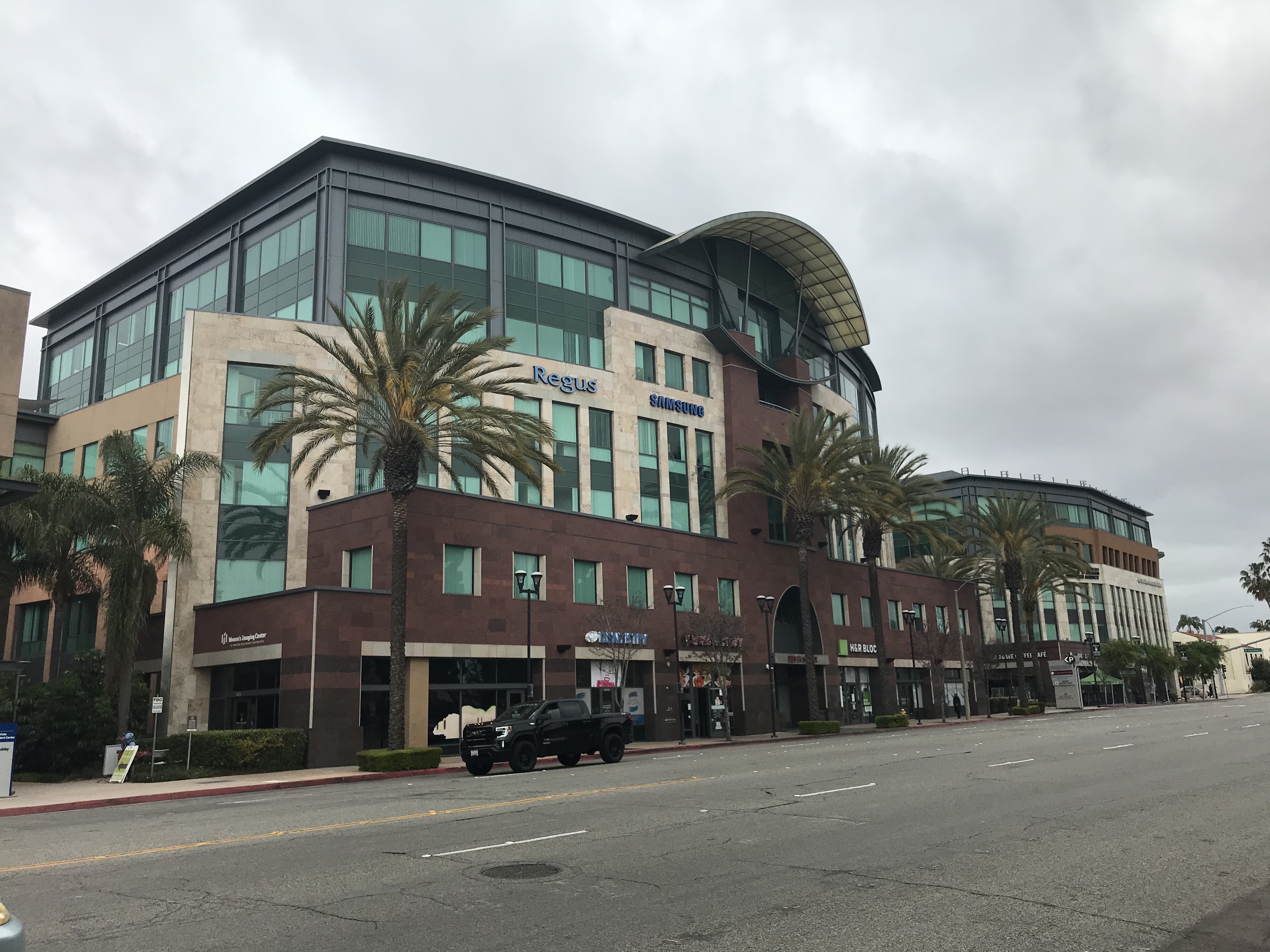
Departments including the Chula Vista Police Department in California and various agencies in Southern Maine have begun implementing software such as Axon Draft One [1, 2]. These tools can generate reports in minutes [1], reducing the time officers spend on paperwork.
Other agencies have explored the use of general AI chatbots to assist in writing reports [3]. The process typically involves the AI analyzing audio from police interactions to create a first draft, which officers are then expected to review and edit before submission [1, 3].
Civil-rights organizations, including the ACLU, have raised warnings regarding the deployment of this technology [4, 5]. These groups cite concerns over privacy, the potential for AI to hallucinate or misinterpret facts, and the risk of embedded biases affecting the narrative of a police encounter [4, 5].
Experts in Maine have expressed wariness about how these tools might impact court proceedings [5]. Because police reports serve as the foundation for arrests and prosecutions, any inaccuracies introduced by AI could potentially compromise the legal process or violate civil liberties [4, 5].
“Reports can be generated in minutes using the AI tool”
The integration of generative AI into police reporting represents a move toward efficiency that clashes with the stringent requirements of legal evidentiary standards. If AI-generated drafts are accepted with minimal oversight, the 'automation bias' may lead officers to overlook errors, potentially resulting in flawed testimony or wrongful accusations during judicial proceedings.


