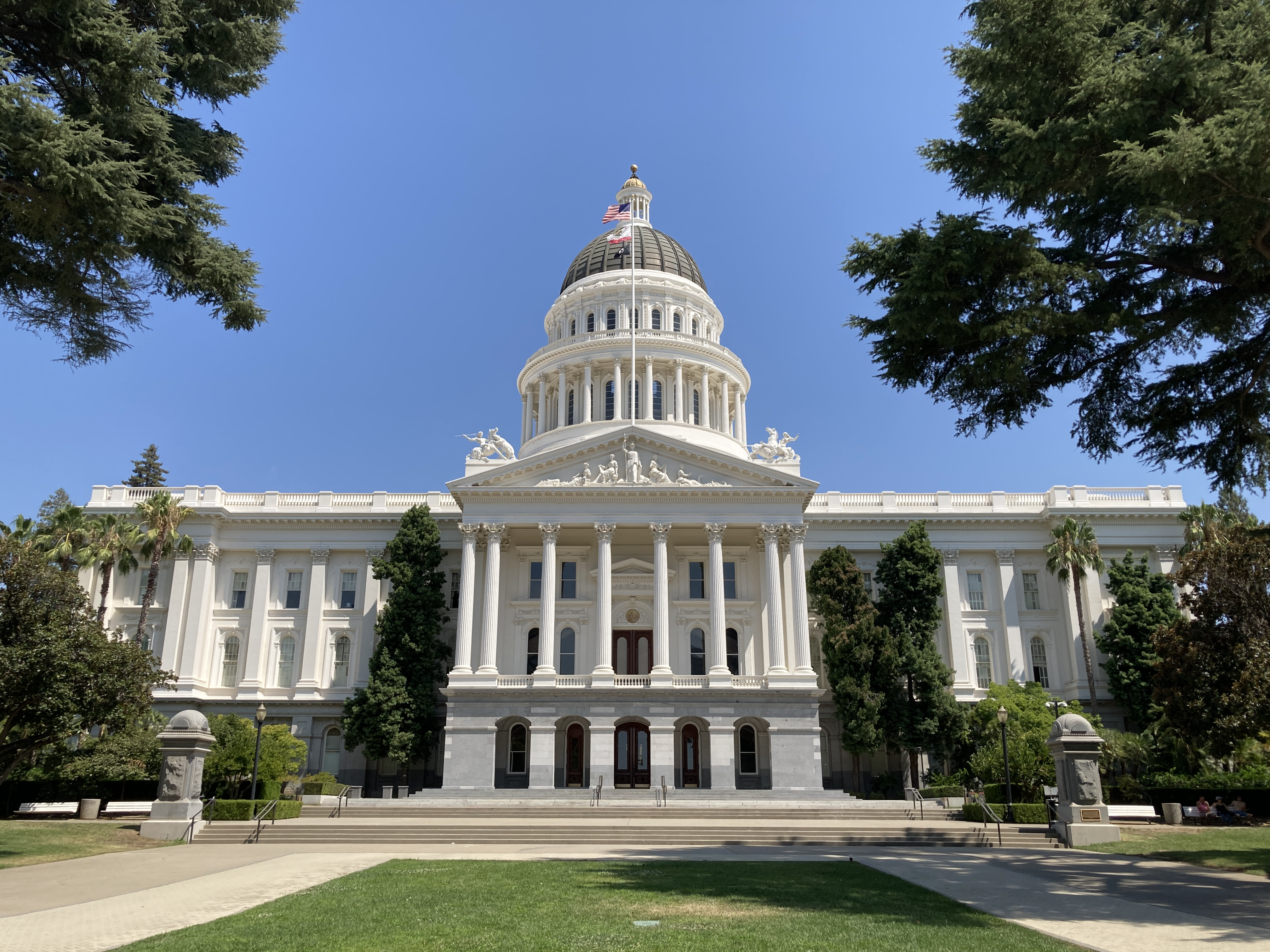
Primary elections are being held Tuesday across several states, including California, Iowa, and New Jersey [1, 2].
These contests serve as a critical barometer for party strength and stability. While Democrats aim to maintain their dominance in the West, Republicans are grappling with internal instability that could threaten their legislative standing.
In California, Democratic candidates are working to defend their positions in a reliably Democratic state [1, 2]. The party's efforts are focused on ensuring a smooth transition and maintaining control of key offices, including those in Los Angeles [1, 2].
Simultaneously, Democrats are attempting to make inroads in Iowa [1, 2]. The state is traditionally Republican-leaning, and the party is seeking to establish new footholds in a region that often resists Democratic platforms [1, 2].
Meanwhile, the Republican party is dealing with a different set of challenges in New Jersey [1, 2]. A New Jersey congressman has an unexplained absence, creating a void in representation and fueling concerns within the party [1, 2].
This absence is particularly problematic for Republicans as they attempt to maintain a slim majority in the legislature [1, 2]. The lack of clarity regarding the congressman's whereabouts complicates the party's strategy as they head into the primary cycle [1, 2].
“Democrats are trying to defend California and make inroads in Iowa.”
The outcomes of these primaries reflect a dual strategy for the Democratic Party: consolidating power in strongholds like California while testing growth in conservative areas like Iowa. For Republicans, the situation in New Jersey highlights a vulnerability in their narrow majority, where a single missing member can disrupt legislative calculations and party morale.