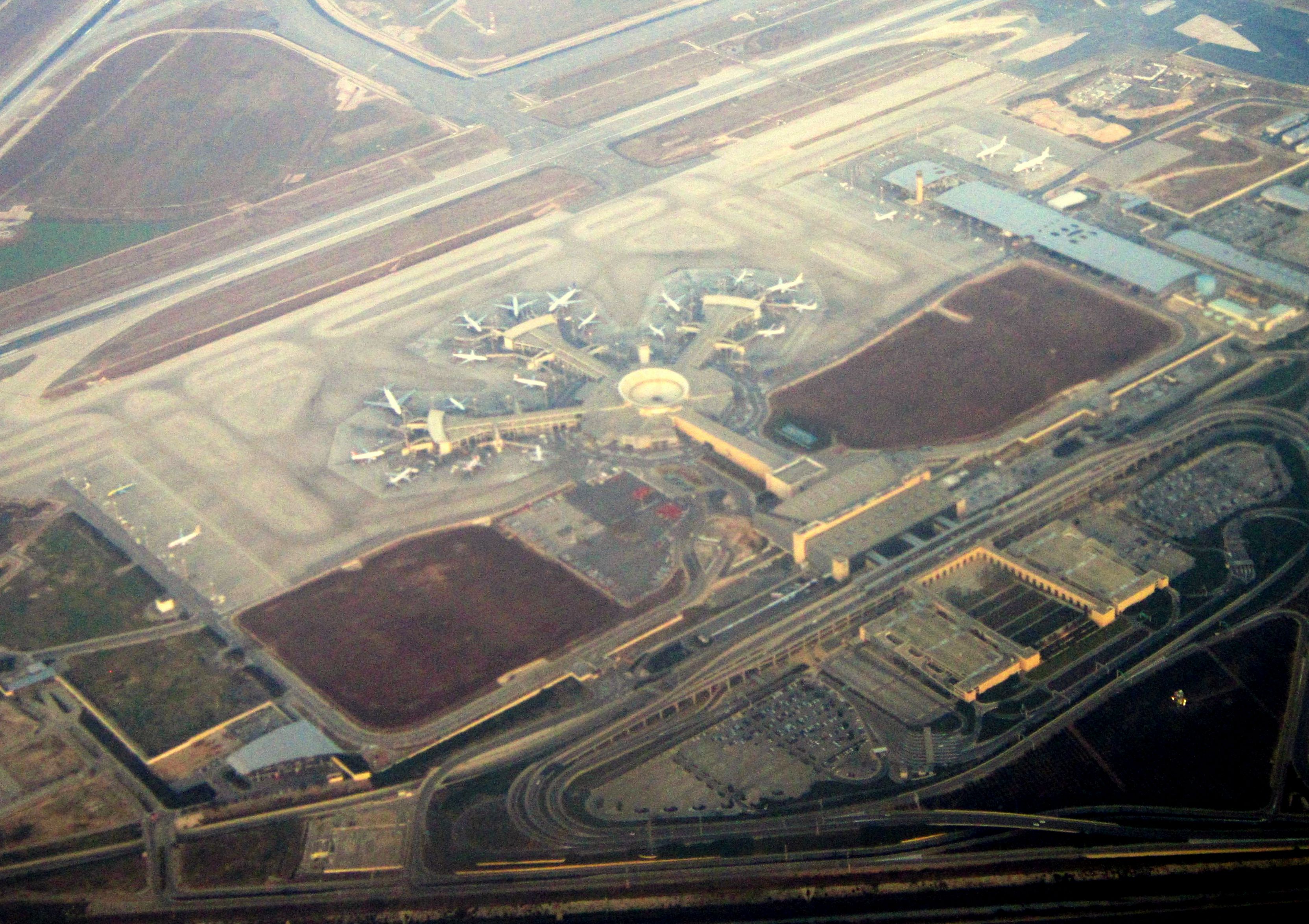
U.S. aerial refueling aircraft have begun landing at Ben Gurion International Airport to establish a logistical hub for military operations [1].
The move creates a direct conflict between Israel's national security priorities and its civilian infrastructure. Converting a primary international gateway into a military base during the peak summer travel season threatens to disrupt global travel and domestic commerce.
Israeli authorities are currently divided over the arrangement. The Security Agency and the Ministry of Transport, led by Minister Miri Regev, are clashing over the impact of the military presence on civilian aviation [1, 2]. The U.S. decision to utilize the airport was made under the Trump administration to provide a safer logistical base for refueling aircraft [1, 2]. These assets are intended to support expanded operations against Iran [1, 2].
Observations at the airport have confirmed the presence of C-17 Globemaster heavy transport planes [2]. The integration of these large aircraft into a civilian environment requires significant tarmac space, and priority sequencing for takeoffs and landings.
Officials from the Ministry of Transport said the military's requirements could lead to an operational crisis. The potential disruption is significant, with reports indicating the possible cancellation of up to 50,000 civilian tickets [1].
This tension highlights the difficulty of balancing high-stakes regional security with the functional needs of a civilian population. As the U.S. increases its logistical footprint in the region, the pressure on Ben Gurion's capacity continues to grow.
“U.S. aerial refueling aircraft have begun landing at Ben Gurion International Airport”
The transition of Ben Gurion Airport into a dual-use military logistical hub signals a strategic shift in U.S. operational readiness regarding Iran. By utilizing a secure, established airfield rather than remote bases, the U.S. can accelerate the deployment of refueling assets. However, the friction between Israel's Ministry of Transport and its security agencies reveals a vulnerability: the risk that critical military escalations may cause immediate, large-scale economic and social disruption to civilian air travel.


