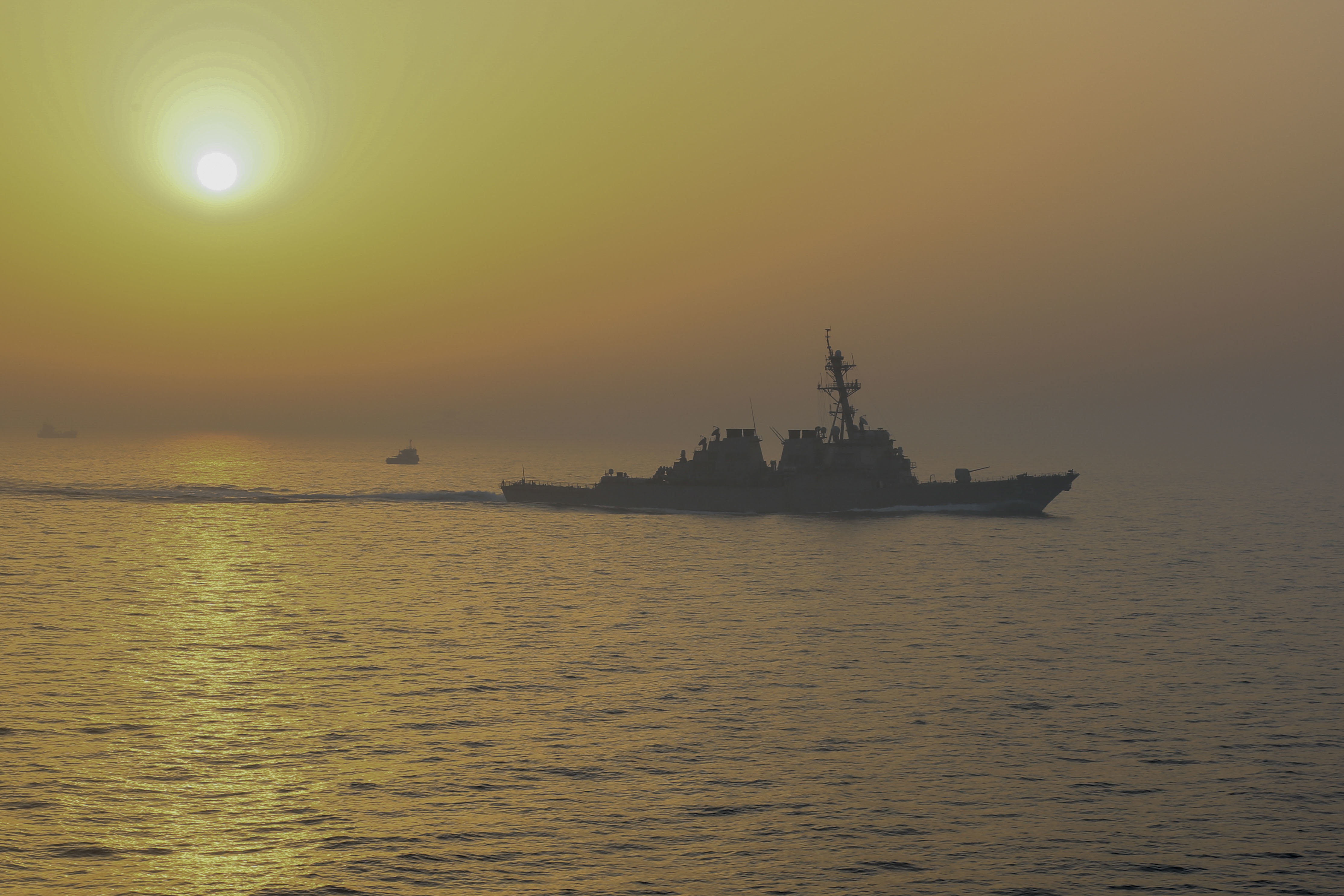
The United States has reinstated a naval blockade of Iranian ports, coasts, and ships in the Strait of Hormuz [1].
This move signals a significant escalation in regional tensions and an effort by the U.S. to assert control over one of the world's most strategic waterways. The blockade follows renewed Iranian attacks on shipping, prompting the U.S. military to apply direct pressure on the Iranian government [2].
U.S. Central Command said the blockade began Monday, July 13 [3]. Operations to enforce the blockade were reported to have begun on Tuesday, July 14 [1]. The decision follows the expiration of a 60-day cease-fire between the U.S. and Iran [3].
The blockade targets Iranian coastal waters and ports to restrict movement, and shipping [1, 3]. This action comes as the U.S. seeks to stabilize the waterway after a period of volatility. Previously, there were reports of a planned 20% fee on shipping passing through the Strait of Hormuz, but that proposal was cancelled [4].
U.S. officials said the measure is necessary to protect international shipping lanes from further interference. The strategic location of the Strait of Hormuz makes it a critical chokepoint for global energy supplies, meaning any disruption can have immediate effects on global oil markets [2].
Naval assets are currently positioned to monitor and intercept vessels as part of the reinstated operations [3]. The U.S. military is maintaining a presence in the region to ensure the blockade is effective and to deter further attacks on commercial vessels [5].
“The United States has reinstated a naval blockade of Iranian ports, coasts, and ships in the Strait of Hormuz.”
The return to a naval blockade indicates a shift from diplomatic restraint back to a policy of maximum pressure. By controlling the Strait of Hormuz, the U.S. is utilizing a geographic chokepoint to limit Iran's economic capabilities and maritime influence. This escalation increases the risk of direct military confrontation in a region where oil transit is vital to global economic stability.


