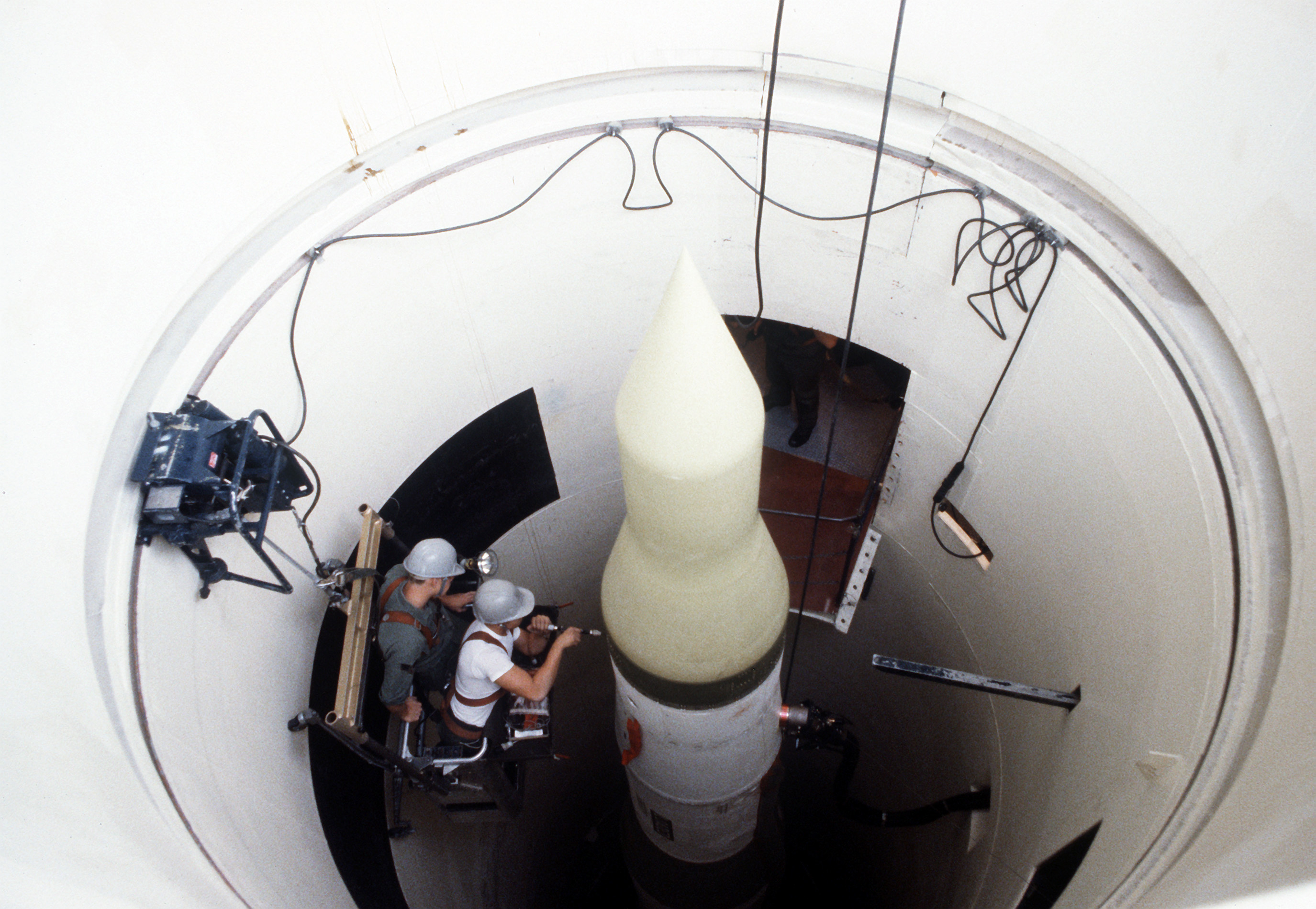
The United States scheduled a test launch of its Minuteman III intercontinental ballistic missile shortly after Russia test-fired its new RS-28 Sarmat missile [1, 2].
These simultaneous developments signal a deepening nuclear arms race between the two superpowers. The activity follows the expiration of the New START treaty in February 2024 [3], which previously limited the number of deployed strategic nuclear warheads.
President Vladimir Putin said the Sarmat, also known as Satan 2, is the most powerful missile in the world [1]. The missile is designed to replace the aging Soviet-built Voyevoda [1]. Putin said the nuclear-armed Sarmat missile will enter combat service at the end of 2024 [1].
The U.S. Strategic Command scheduled its Minuteman III test days after the Russian announcement [2]. This timing reflects a perceived escalation in global tensions and a push by both nations to modernize their delivery systems.
The scale of this competition is underscored by the fact that the U.S. and Russia together possess 90% of the world’s nuclear weapons [3]. As the strategic landscape shifts, both countries are prioritizing the reliability and potency of their long-range strike capabilities, a move that increases the risk of miscalculation.
Russia's Sarmat is intended to provide a modernized deterrent capable of bypassing existing missile defense systems [1]. Meanwhile, the U.S. continues to verify the readiness of its Minuteman III fleet while developing successor technologies to maintain strategic parity [2].
“"This is the most powerful missile in the world."”
The transition from treaty-based arms control to open testing indicates a return to Cold War-style deterrence. Without the New START treaty's verification mechanisms, the U.S. and Russia are relying on public displays of force to signal capability and intent, which increases the likelihood of an unplanned arms race.


