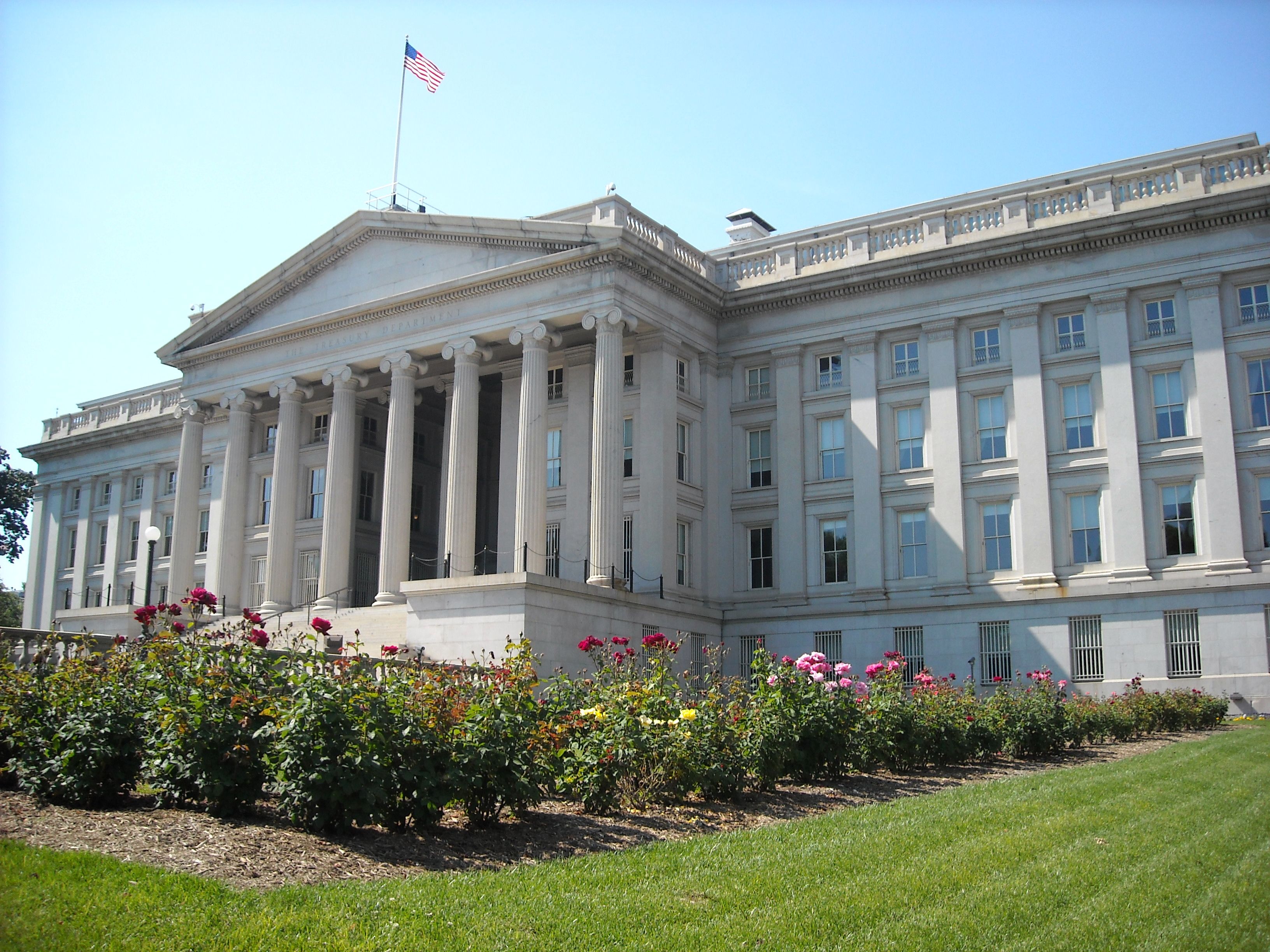
U.S. Treasury Secretary Scott Bessent announced new sanctions designed to isolate the Iranian economy and pressure the nation [1].
These measures represent a significant escalation in diplomatic pressure intended to force Iran back to the terms of a nuclear memorandum of understanding [1, 2]. The move also aims to deter third-party nations from maintaining commercial ties with Tehran [1, 2].
Bessent used stark language to describe the U.S. position regarding international trade with the sanctioned nation. "You're either with us or against us," Bessent said [1]. He said the U.S. would use its "full might and force" against any countries continuing to do business with Iran [1].
The U.S. government maintains that returning to the previously agreed-upon terms of the memorandum of understanding is the only viable path forward [1]. The Iranian President said returning to those terms is the only way forward [1].
Despite the severity of the announcement, analysts suggest the immediate impact on the Iranian economy may be limited [2]. While the sanctions are expected to cause significant long-term damage to Tehran's financial stability, they are not predicted to produce an instantaneous collapse or shift in policy [2].
The strategy focuses on long-term isolation rather than a quick diplomatic win. By targeting the economic infrastructure and the partners of Iran, the U.S. hopes to create a sustainable level of pressure that eventually necessitates a return to nuclear negotiations [1, 2].
“"You're either with us or against us."”
The U.S. is shifting toward a strategy of total economic isolation to regain leverage in nuclear negotiations. By threatening secondary sanctions on third-party trade partners, the Treasury Department is attempting to shrink Iran's available markets, though the delayed effect of such measures often allows targeted regimes time to find alternative trade routes or internal workarounds.


