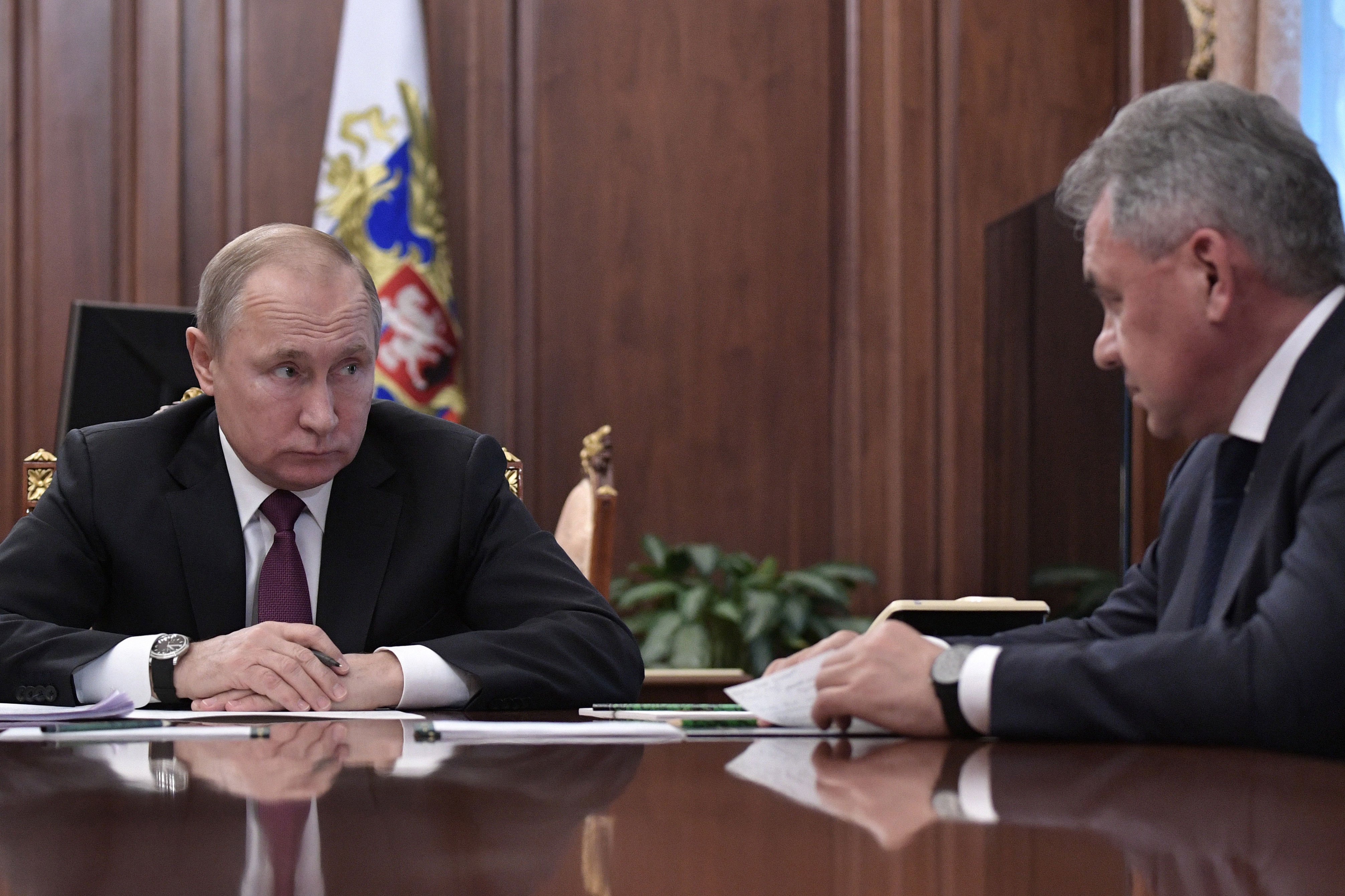
The United States and Saudi Arabia have signed a peaceful nuclear cooperation agreement to develop a civilian nuclear program in Saudi Arabia [1].
The deal marks a strategic shift in energy partnership, allowing the Saudi kingdom to diversify its energy mix while providing U.S. companies access to lucrative infrastructure projects [2].
President Donald Trump approved the agreement in May 2023 in Washington, D.C. [1]. The pact provides a framework for U.S. firms to build nuclear facilities, and provides the Saudi government with a pathway toward civilian nuclear power [2].
"I have approved an agreement that will help Saudi Arabia develop a civilian nuclear program," Trump said [1].
The financial implications for the private sector are significant. The deal could be worth billions of dollars to U.S. companies [2]. A U.S. Energy Department spokesperson said the agreement will provide great access for American companies in the Saudi nuclear energy program [2].
One of the most sensitive aspects of the agreement involves the potential for future uranium enrichment [1]. While the deal focuses on civilian use, it could allow Saudi Arabia to enrich uranium in the future [1].
U.S. officials have emphasized that the deal adheres to international safety and security standards. A U.S. State Department official said the peaceful nuclear cooperation agreement is consistent with a commitment to non-proliferation [2].
Despite the public announcement of the partnership, the specific text of the agreement has not been made public [1].
“"The agreement will provide great access for American companies in the Saudi nuclear energy program."”
This agreement strengthens the strategic alignment between Washington and Riyadh by linking economic interests in the energy sector to long-term security ties. By facilitating a civilian nuclear program, the U.S. secures a foothold in the Saudi energy transition, though the potential for future uranium enrichment introduces a complex variable into regional non-proliferation efforts.

'%2F%3E%0A%20%20%20%20%3Crect%20width%3D'1600'%20height%3D'900'%20fill%3D'url(%23v)'%2F%3E%0A%20%20%20%20%3Cg%20opacity%3D'0.08'%20fill%3D'%23ffffff'%3E%0A%20%20%20%20%20%20%3Ccircle%20cx%3D'1420'%20cy%3D'180'%20r%3D'220'%2F%3E%0A%20%20%20%20%20%20%3Ccircle%20cx%3D'1500'%20cy%3D'760'%20r%3D'120'%2F%3E%0A%20%20%20%20%3C%2Fg%3E%0A%20%20%20%20%3Cline%20x1%3D'80'%20y1%3D'172'%20x2%3D'220'%20y2%3D'172'%20stroke%3D'%23ffffff'%20stroke-width%3D'3'%20stroke-opacity%3D'0.6'%2F%3E%0A%20%20%20%20%3Ctext%20x%3D'80'%20y%3D'140'%20font-family%3D'Inter%2C%20-apple-system%2C%20Helvetica%2C%20sans-serif'%20font-weight%3D'700'%20font-size%3D'28'%20fill%3D'%23ffffff'%20letter-spacing%3D'6'%3EHANNA%20%C2%B7%20NEWS%3C%2Ftext%3E%0A%20%20%20%20%3Ctext%20x%3D'80'%20y%3D'230'%20font-family%3D'Inter%2C%20-apple-system%2C%20Helvetica%2C%20sans-serif'%20font-weight%3D'600'%20font-size%3D'40'%20fill%3D'%23ffffffb3'%20letter-spacing%3D'4'%3EWORLD%3C%2Ftext%3E%0A%20%20%20%20%3Ctext%20x%3D'80'%20y%3D'622'%20font-family%3D'Playfair%20Display%2C%20Georgia%2C%20serif'%20font-weight%3D'800'%20font-size%3D'86'%20fill%3D'%23ffffff'%20letter-spacing%3D'-1'%3EDelhi%20Police%20and%20CJP%3C%2Ftext%3E%3Ctext%20x%3D'80'%20y%3D'721'%20font-family%3D'Playfair%20Display%2C%20Georgia%2C%20serif'%20font-weight%3D'800'%20font-size%3D'86'%20fill%3D'%23ffffff'%20letter-spacing%3D'-1'%3EProtesters%20Clash%20at%20Jantar%3C%2Ftext%3E%3Ctext%20x%3D'80'%20y%3D'820'%20font-family%3D'Playfair%20Display%2C%20Georgia%2C%20serif'%20font-weight%3D'800'%20font-size%3D'86'%20fill%3D'%23ffffff'%20letter-spacing%3D'-1'%3EMantar%3C%2Ftext%3E%0A%20%20%20%20%3Ctext%20x%3D'80'%20y%3D'870'%20font-family%3D'Inter%2C%20-apple-system%2C%20Helvetica%2C%20sans-serif'%20font-weight%3D'500'%20font-size%3D'22'%20fill%3D'%23ffffff66'%20letter-spacing%3D'2'%3Enews.hanna-ai.com%3C%2Ftext%3E%0A%20%20%3C%2Fsvg%3E)