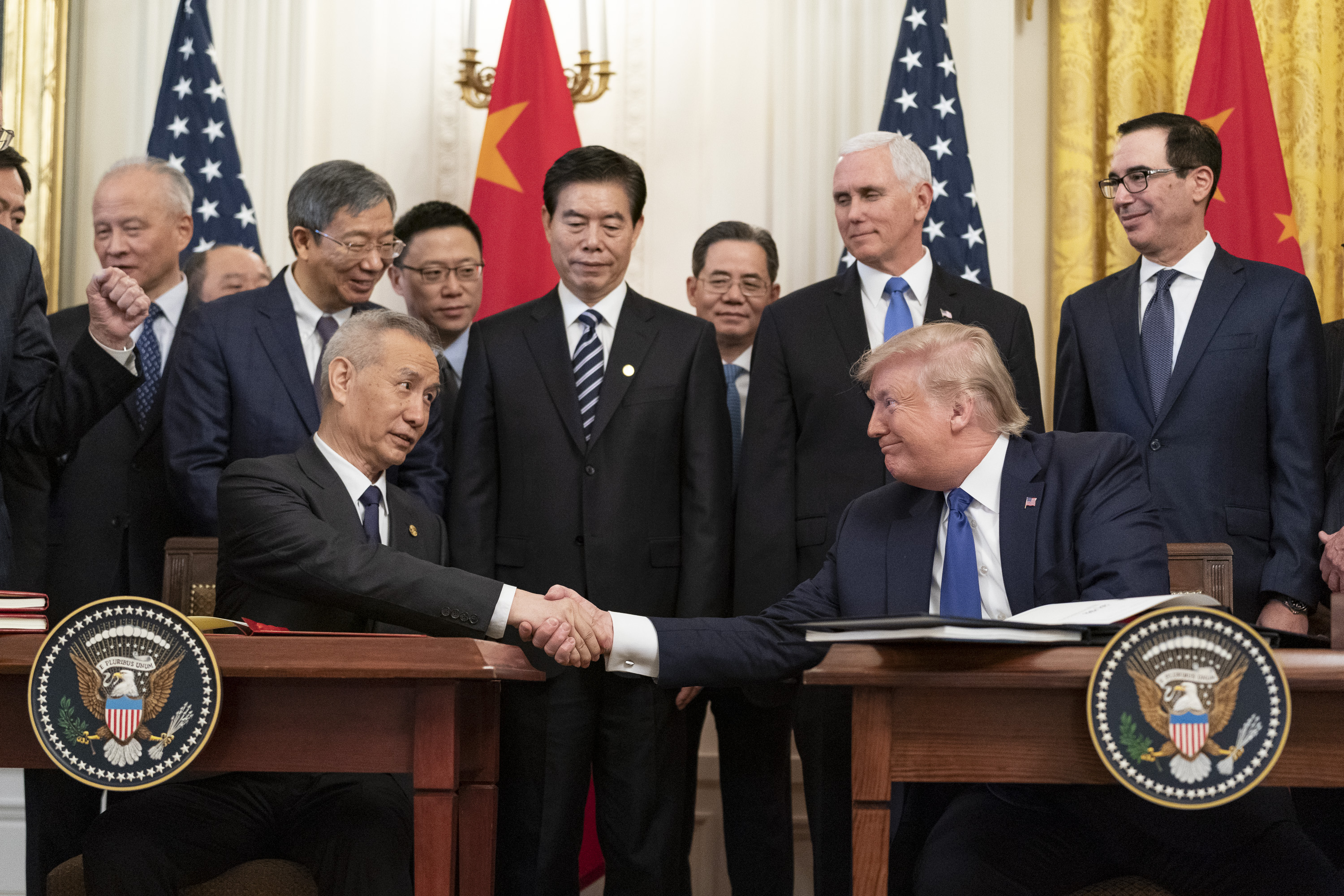
The United States and Saudi Arabia have approved a 30-year civilian nuclear cooperation agreement to develop nuclear power infrastructure within the Kingdom [1].
This deal represents a significant shift in regional energy dynamics and geopolitical alignment. By expanding the U.S. nuclear export market, the agreement provides Saudi Arabia with a critical civilian energy capability while strengthening ties between the two nations.
President Donald Trump approved the deal in July 2026 [2, 3]. Under the terms of the agreement, U.S. companies are permitted to construct Saudi Arabia's nuclear power infrastructure [1]. This includes the potential development of an enrichment facility [1].
The agreement is designed to provide the Kingdom with a stable source of civilian nuclear energy. Regional actors said the move is a strategic hedge against perceived threats in the Middle East [2].
Reports on the safety protocols of the deal vary. Some sources said the agreement features minimal safeguards and safety mechanisms [2]. Other reports said that while the deal allows for the construction of infrastructure, there is no mention of reduced safety standards [1].
The 30-year timeline ensures a long-term partnership in technology and energy oversight [1]. The facilities will be built and operated within Saudi Arabia, marking a transition toward a more diversified energy portfolio for the Saudi government [1, 2].
“The United States and Saudi Arabia have approved a 30-year civilian nuclear cooperation agreement.”
The agreement signals a strategic pivot in U.S. foreign policy, prioritizing economic exports and bilateral security ties in the Gulf. By allowing the potential for enrichment facilities, the U.S. is navigating a complex balance between supporting a partner's energy independence and managing the risks of nuclear proliferation in a volatile region.