
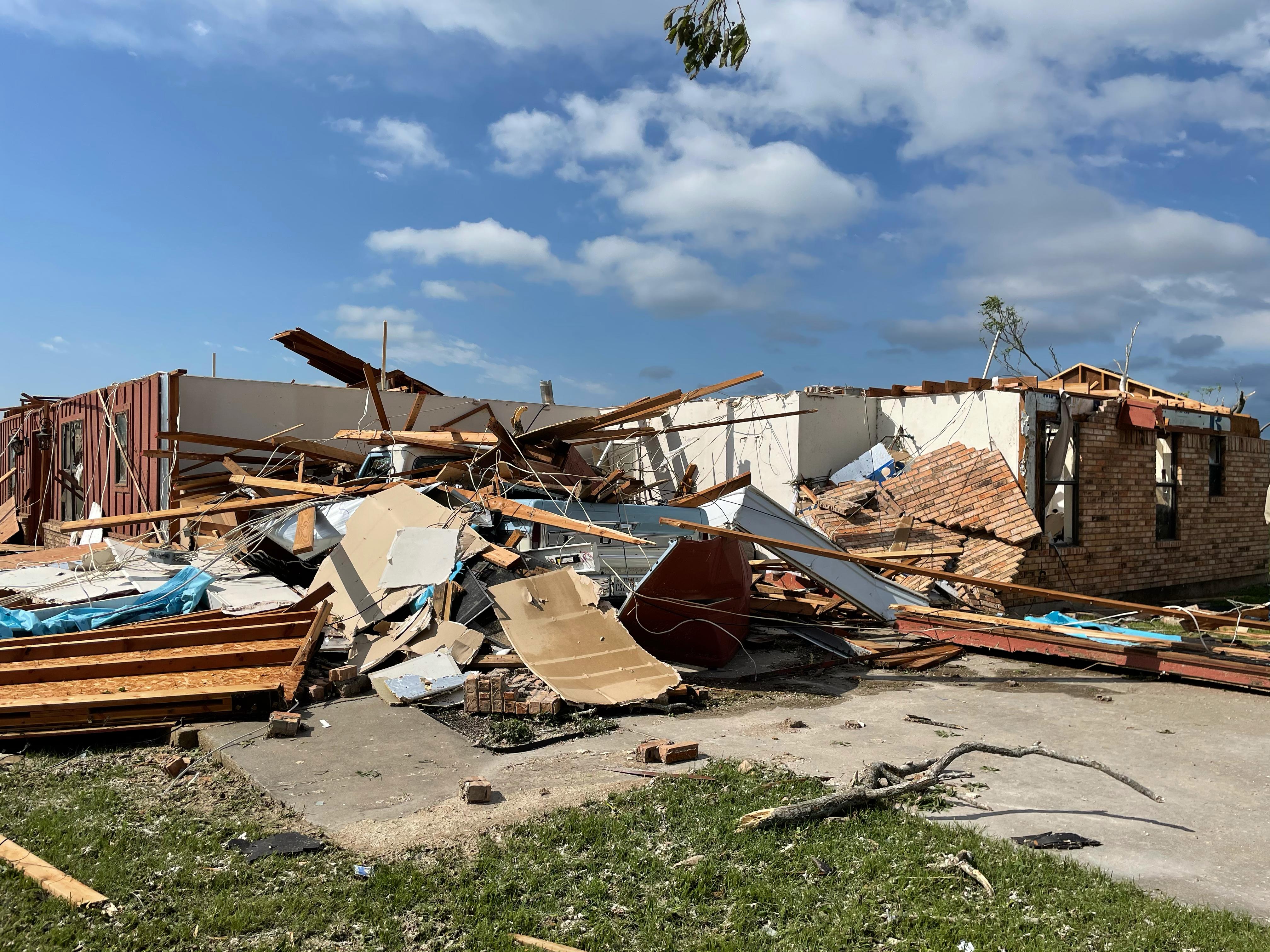
Dangerous storms including flash flooding and tornadoes are threatening more than 70 million Americans [1] across multiple states through Sunday.
The scale of the weather system puts millions of residents in high-risk zones, necessitating emergency preparations to prevent loss of life and significant property damage.
The hazardous patterns are impacting a wide geography, notably affecting Texas, Michigan, the Midwest, and the East Coast [2, 3, 4, 5]. In Texas, the threat has been severe enough that Gov. Greg Abbott activated a state of emergency [2].
In the Midwest, areas near Chicago, Indiana, and Missouri are facing the potential for tornadoes and violent storms [3]. The system is also moving through Michigan, where officials said severe storm threats would last for 48 hours [4].
Meteorologists said these severe weather patterns are generating a combination of flash floods and rotating storms [1, 2, 3]. The East Coast remains under watch as the system progresses through the weekend [4, 5].
Local authorities in the affected regions are urging residents to monitor weather alerts and seek shelter immediately if warnings are issued. The combination of high wind speeds and heavy rainfall increases the likelihood of infrastructure failure and road closures across the impacted states [1, 5].
“More than 70 million Americans are at risk from dangerous storms.”
The simultaneous activation of emergency protocols in Texas and the wide-scale threat to the Midwest and East Coast indicate a highly volatile atmospheric event. When a single weather system affects such a vast percentage of the U.S. population, it strains regional emergency response resources and increases the probability of widespread economic disruption due to transport and infrastructure failures.


