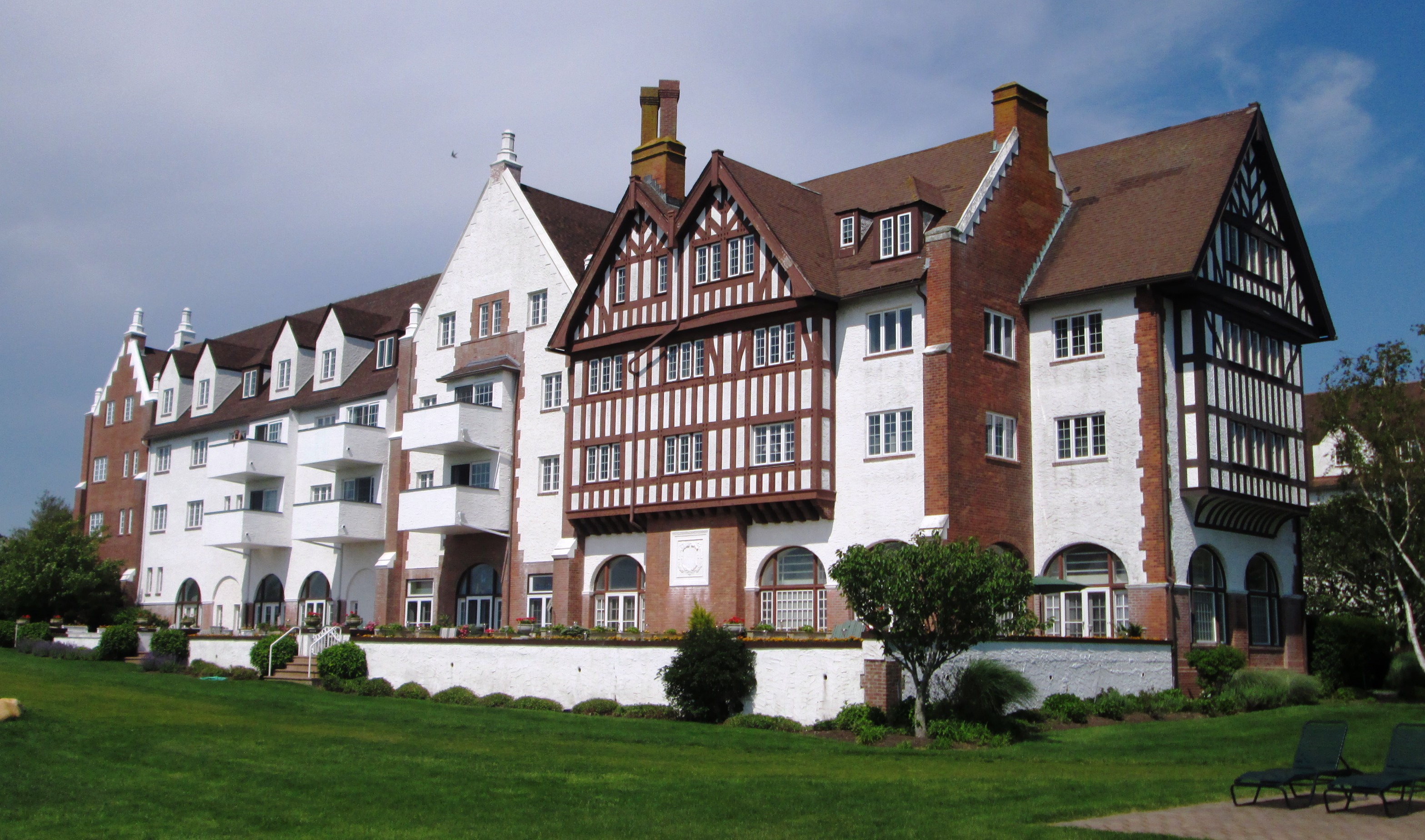
New hotels marketed as "Sleep Labs" are opening in major U.S. cities to help adults combat a worsening national sleep deficit.
These specialized retreats emerge as public health officials warn that chronic sleep deprivation is reaching critical levels across the country. By treating sleep as a luxury service and a medical necessity, these hotels aim to bridge the gap between clinical sleep science and consumer hospitality.
Approximately one-third of American adults do not get sufficient sleep [1]. The crisis is characterized by a widening gap in nightly rest, with a CDC spokesperson saying, "America is losing an average of two hours of sleep per night, and that gap is widening" [2].
To address this, Sleep Lab facilities in urban centers like New York and Los Angeles use controlled environments to maximize rest. Dr. Maya Patel, the founder of Sleep Lab, said, "Sleep‑focused hotels are the newest frontier in wellness tourism, offering controlled lighting, temperature, and sound to maximize restorative rest" [3].
These hotels differ from standard accommodations by integrating technology designed to regulate circadian rhythms. Guests enter environments where lighting and sound-masking are precisely tuned to induce deeper sleep cycles. This shift reflects a broader trend in wellness tourism where travelers seek targeted health interventions during their stay.
While these luxury retreats target the wellness market, some reports indicate a divergence in how hotel-style accommodations are being utilized across the U.S. Some similar facilities are being deployed as emergency housing for the homeless rather than as high-end sleep clinics.
Despite these contradictions in usage, the demand for sleep-focused experiences continues to grow. The rise of the Sleep Lab experiment suggests that as the public health crisis deepens, the private sector is moving to monetize the need for restorative rest.
“"America is losing an average of two hours of sleep per night, and that gap is widening"”
The emergence of Sleep Labs indicates a shift in the U.S. healthcare landscape where critical public health issues, such as chronic insomnia and sleep deprivation, are being addressed through the private hospitality sector. This commercialization of sleep suggests that traditional medical interventions may be insufficient or inaccessible, leading consumers to seek 'wellness' alternatives to manage systemic health crises.


