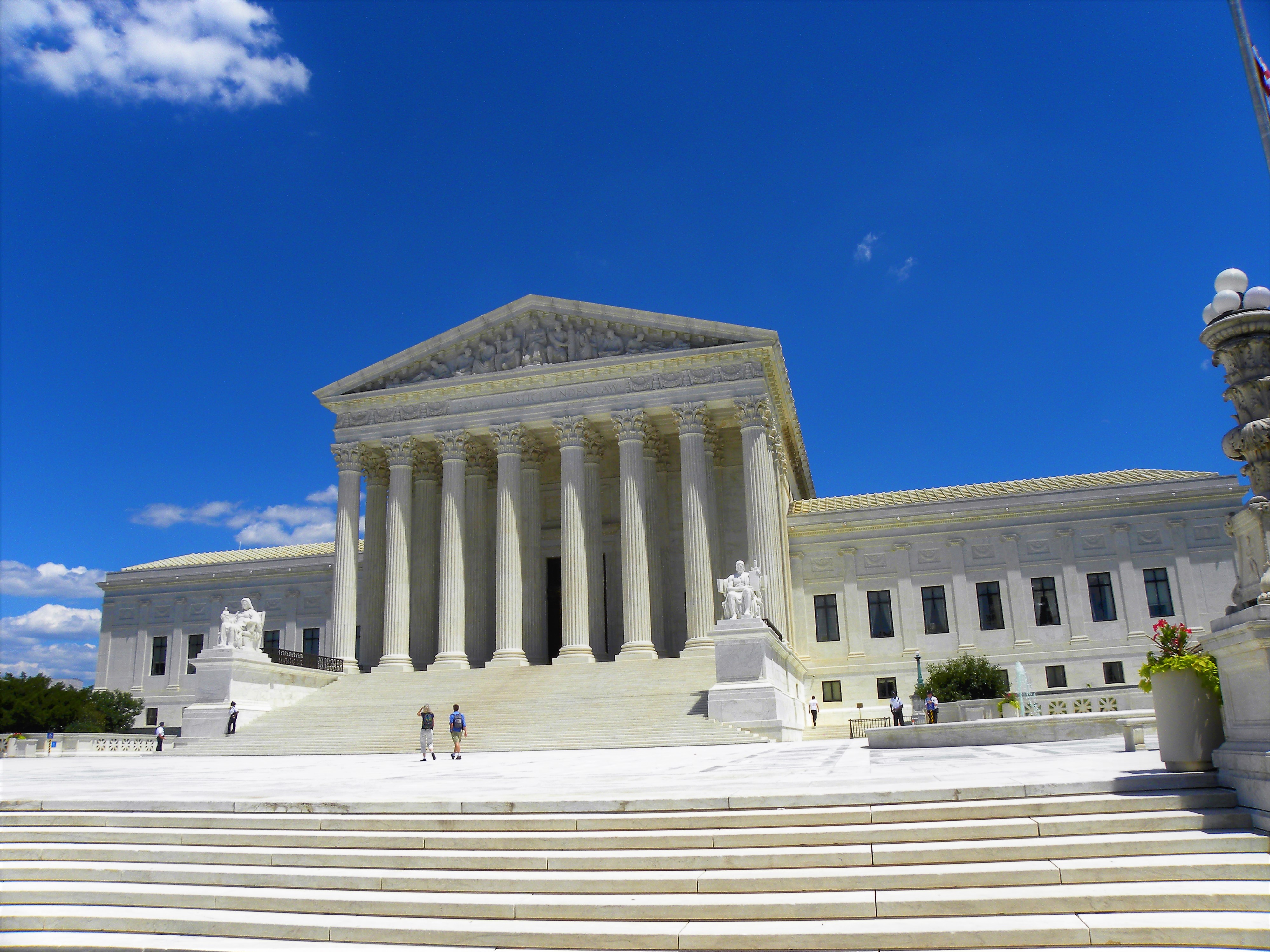
American small businesses and entrepreneurs are fighting to obtain refunds after the Supreme Court struck down President Trump’s IEEPA tariffs [1].
This effort is critical because the tariffs were declared unlawful, obligating the U.S. government to return duties that businesses had already paid [1]. For many small firms, these costs were significant burdens that impacted their operational viability.
The legal battle reached a turning point in February 2026 [2], when the Supreme Court ruled against the tariffs. Since that decision, the U.S. government has paid out $77 billion [3] in total tariff refunds. Despite this massive wave of repayments, the process remains slow for many individual claimants.
Some entrepreneurs have already seen the benefits of the ruling. One highlighted entrepreneur received a refund of $15,000 [2]. However, such successes are not yet universal across the business community.
Reports indicate that hundreds of thousands of businesses are still owed refunds [2]. These entrepreneurs must navigate government bureaucracy to reclaim the funds that were unlawfully collected. The delay in repayment continues to strain the cash flow of small enterprises that may have struggled during the initial tariff period.
The fight for these funds persists as businesses attempt to recover losses from a policy the highest court in the land deemed invalid [1]. While the $77 billion [3] figure shows the scale of the government's liability, the individual struggle for recovery defines the current experience for many small business owners.
“The tariffs were declared unlawful, obligating the government to return the duties that businesses had paid.”
The ongoing struggle for refunds highlights a systemic lag between judicial rulings and administrative execution. While the Supreme Court's February 2026 decision provided the legal basis for recovery, the fact that hundreds of thousands of businesses remain unpaid suggests that the bureaucratic process for reclaiming duties is a significant barrier. For many small businesses, the timing of these refunds is as critical as the amount, as the original tariffs may have caused irreversible financial damage during their implementation.
'%2F%3E%0A%20%20%20%20%3Crect%20width%3D'1600'%20height%3D'900'%20fill%3D'url(%23v)'%2F%3E%0A%20%20%20%20%3Cg%20opacity%3D'0.08'%20fill%3D'%23ffffff'%3E%0A%20%20%20%20%20%20%3Ccircle%20cx%3D'1420'%20cy%3D'180'%20r%3D'220'%2F%3E%0A%20%20%20%20%20%20%3Ccircle%20cx%3D'1500'%20cy%3D'760'%20r%3D'120'%2F%3E%0A%20%20%20%20%3C%2Fg%3E%0A%20%20%20%20%3Cline%20x1%3D'80'%20y1%3D'172'%20x2%3D'220'%20y2%3D'172'%20stroke%3D'%23ffffff'%20stroke-width%3D'3'%20stroke-opacity%3D'0.6'%2F%3E%0A%20%20%20%20%3Ctext%20x%3D'80'%20y%3D'140'%20font-family%3D'Inter%2C%20-apple-system%2C%20Helvetica%2C%20sans-serif'%20font-weight%3D'700'%20font-size%3D'28'%20fill%3D'%23ffffff'%20letter-spacing%3D'6'%3EHANNA%20%C2%B7%20NEWS%3C%2Ftext%3E%0A%20%20%20%20%3Ctext%20x%3D'80'%20y%3D'230'%20font-family%3D'Inter%2C%20-apple-system%2C%20Helvetica%2C%20sans-serif'%20font-weight%3D'600'%20font-size%3D'40'%20fill%3D'%23ffffffb3'%20letter-spacing%3D'4'%3EBUSINESS%3C%2Ftext%3E%0A%20%20%20%20%3Ctext%20x%3D'80'%20y%3D'622'%20font-family%3D'Playfair%20Display%2C%20Georgia%2C%20serif'%20font-weight%3D'800'%20font-size%3D'86'%20fill%3D'%23ffffff'%20letter-spacing%3D'-1'%3EChinese%20Crime%20Rings%20Target%3C%2Ftext%3E%3Ctext%20x%3D'80'%20y%3D'721'%20font-family%3D'Playfair%20Display%2C%20Georgia%2C%20serif'%20font-weight%3D'800'%20font-size%3D'86'%20fill%3D'%23ffffff'%20letter-spacing%3D'-1'%3EUS%20Retailers%20With%20Tap-to-Pay%3C%2Ftext%3E%3Ctext%20x%3D'80'%20y%3D'820'%20font-family%3D'Playfair%20Display%2C%20Georgia%2C%20serif'%20font-weight%3D'800'%20font-size%3D'86'%20fill%3D'%23ffffff'%20letter-spacing%3D'-1'%3EFraud%3C%2Ftext%3E%0A%20%20%20%20%3Ctext%20x%3D'80'%20y%3D'870'%20font-family%3D'Inter%2C%20-apple-system%2C%20Helvetica%2C%20sans-serif'%20font-weight%3D'500'%20font-size%3D'22'%20fill%3D'%23ffffff66'%20letter-spacing%3D'2'%3Enews.hanna-ai.com%3C%2Ftext%3E%0A%20%20%3C%2Fsvg%3E)

