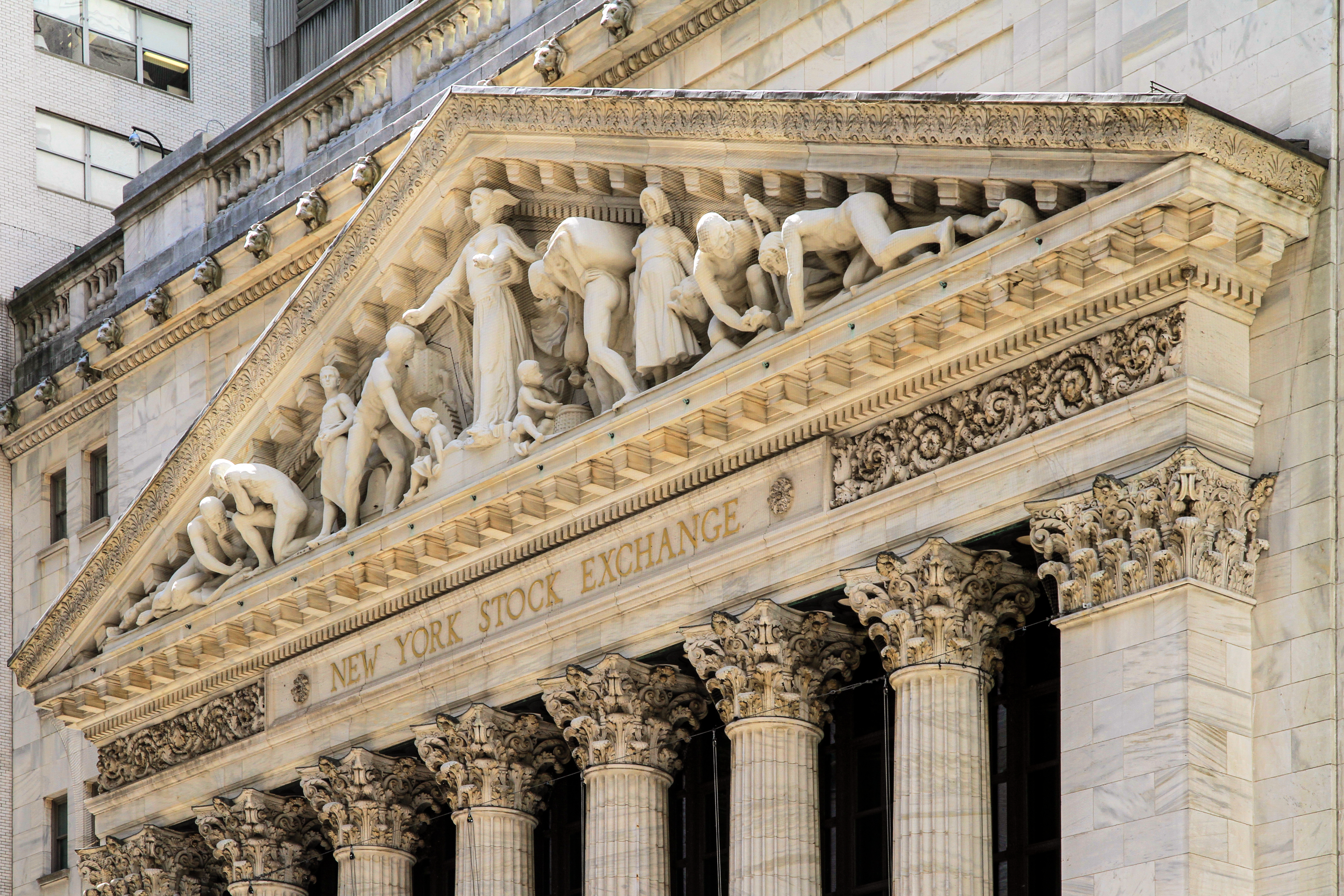
U.S. stock markets are operating with adjusted trading hours this week due to the Independence Day holiday [1, 2, 3].
These modifications affect investors and market participants who must coordinate trades around the holiday weekend. Because the holiday falls on a Saturday, the financial sector has implemented specific timing changes for the days leading up to the celebration [1, 2, 3].
Trading hours are affected on Friday, July 4, and the last full trading day before the holiday [2, 3]. Market participants are advised to verify specific closing times for the New York Stock Exchange and Nasdaq to avoid execution delays, a common occurrence during shortened sessions.
MSN said, "Since Independence Day falls on Saturday this year, here’s what to know about markets, mail delivery and more."
Investors typically use these windows to hedge positions or lock in gains before the extended break. The shift in the calendar means that the typical Friday-to-Monday cycle is disrupted, requiring a closer look at when the markets actually close for the holiday [2, 3].
MSN said, "Planning trades? See when the stock market closes for July 4 and the last full trading day before the holiday."
While the physical markets may have limited hours, electronic trading and global markets often continue to operate, though liquidity in U.S. equities typically drops during these modified periods [1, 2, 3]. Traders are encouraged to check their brokerage settings to ensure orders are not left pending during the closure.
“Trading hours are affected on Friday, July 4, and the last full trading day before the holiday.”
The adjustment of trading hours due to the calendar alignment of Independence Day creates a period of lower liquidity in the U.S. markets. For institutional and retail investors, this necessitates earlier execution of trades to avoid the volatility or stagnation that occurs when major exchanges close early or operate on a modified schedule.


